Volvo Buried the EX30 and Called the Replacement Affordable
A bigger, pricier EV stepping in for a cheaper, smaller one tells you everything about where the industry actually stands.
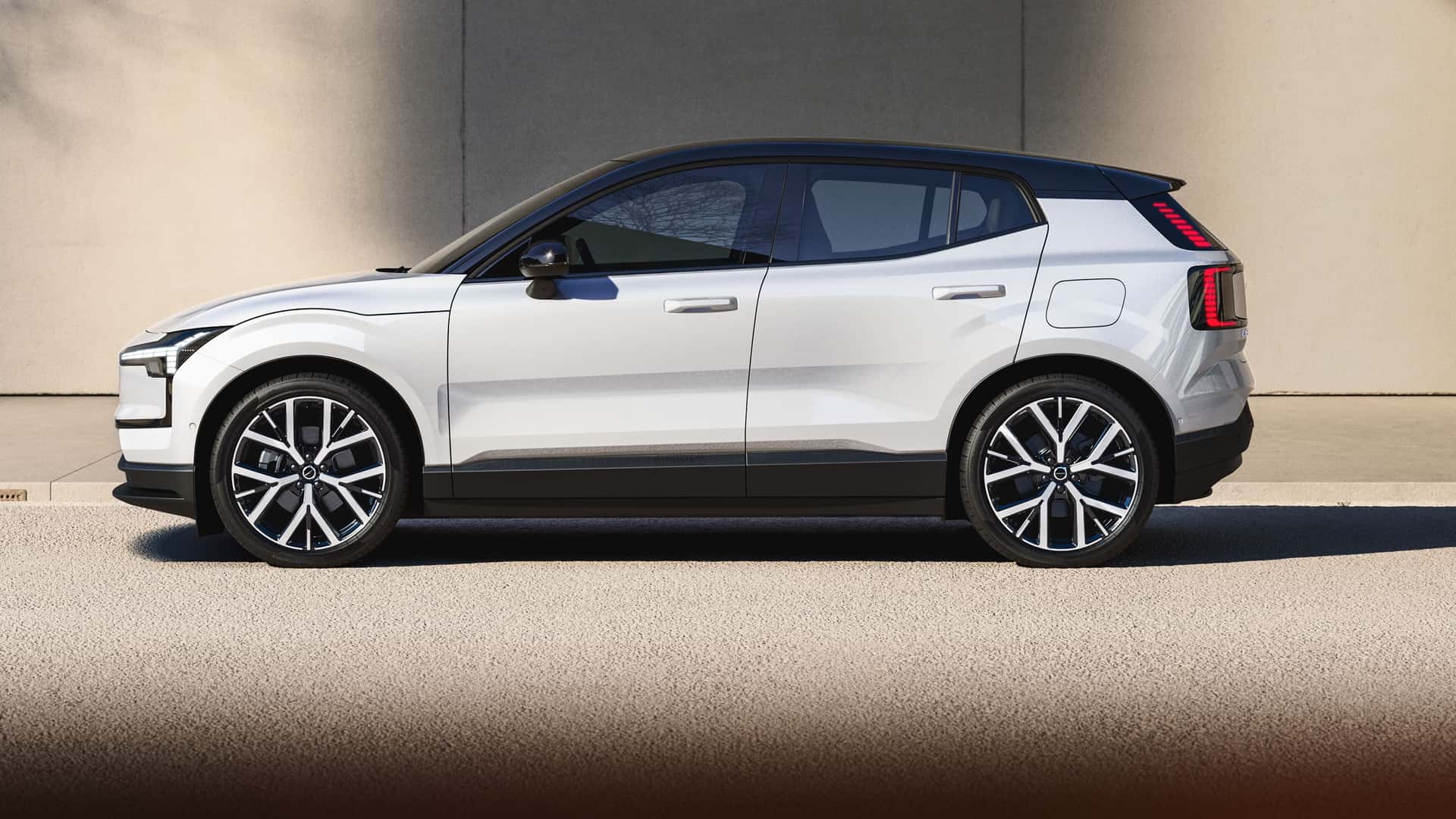
Photo · InsideEVs - Articles
The EX30 is gone from the U.S. market. In its place, Volvo is promising something new — bigger, arriving next year, still carrying the word affordable in its description. Hold that word up to the light for a second.
The Verge reported that Volvo's president of U.S. operations, Luis Rezende, addressed the EX30's discontinuation during a roundtable tied to the launch of the new EX60, and said the decision wasn't solely about tariffs. That's the part worth sitting with. Because the easy narrative — tariffs killed a small EV's price advantage, recall made it a parking hazard, end of story — is technically accurate but conveniently incomplete. Rezende's framing suggests the market itself had a say. That tariffs and battery recalls were accelerants, not causes.
And that's the more uncomfortable story.
Affordability Was Always Conditional
The EX30 arrived as something genuinely interesting: a compact Volvo, priced for people who don't usually buy Volvos. It had quirks. It had a battery recall that made indoor parking a real question. And then tariffs moved in and did what tariffs do — repriced the value proposition right out from under the buyer. InsideEVs noted that a bigger replacement is on the way for next year, aimed at the U.S. market the EX30 couldn't fully crack.
Bigger. Not smaller. Not cheaper. Bigger.
That's the tell. When a manufacturer replaces a compact affordable model with a larger one, they're not doubling down on accessibility — they're drifting toward the segment where margins live. Whether they mean to or not. And they almost always mean to, eventually.
This isn't a cynical reading. It's just pattern recognition. The EV market has spent years promising that affordable options were coming, that the entry point would drop, that the segment would open up. What's actually happened is a slow gravitational pull toward the $40,000-and-up zone, where the math works better for everyone except the buyer.
What Volvo Is Actually Saying
Rezende's comment that the EX30's end wasn't solely about tariffs is worth more than a sentence. It's a rare moment of candor from inside a manufacturer — an acknowledgment that the calculus was broader, that the car faced structural headwinds that no trade policy fix would have fully resolved.
The replacement is being positioned as the answer. And maybe it will be. A new EV, purpose-built for U.S. conditions, arriving alongside the EX60 launch, backed by a company that clearly still wants a foothold below its flagship models. The intent appears genuine.
But intent and outcome are different vehicles.
The EX30 also launched with genuine intent. It was compact, relatively priced, a real attempt to bring something into the market that wasn't just another mid-size crossover wearing a Scandinavian badge. The problems that followed — the recall, the tariff exposure — weren't invented. They were real. And they still don't fully explain why the replacement is described as bigger rather than equivalent.
Something changed in the room when the decision got made. Either the target buyer shifted, or the margin requirements did, or both. The market didn't just make the EX30 harder to sell. It made the EX30's entire premise harder to defend internally.
That's the part neither source quite says out loud. Tariffs gave Volvo a clean reason to exit. The replacement gives them a clean story to tell. What sits between those two things is a company quietly recalibrating who it's actually building cars for.
Calling it affordable doesn't make it the EX30. It makes it whatever the market will bear.
Keep reading cars.

800 Horsepower, One Ton of Doubt
Lamborghini built the most powerful SUV it's ever made. It's also slower than what it replaced.

£11,990 Draws a Line Under Every Excuse You Had Left
Dacia just made the cheapest new car in Britain electric — and that's not a footnote, it's a verdict.
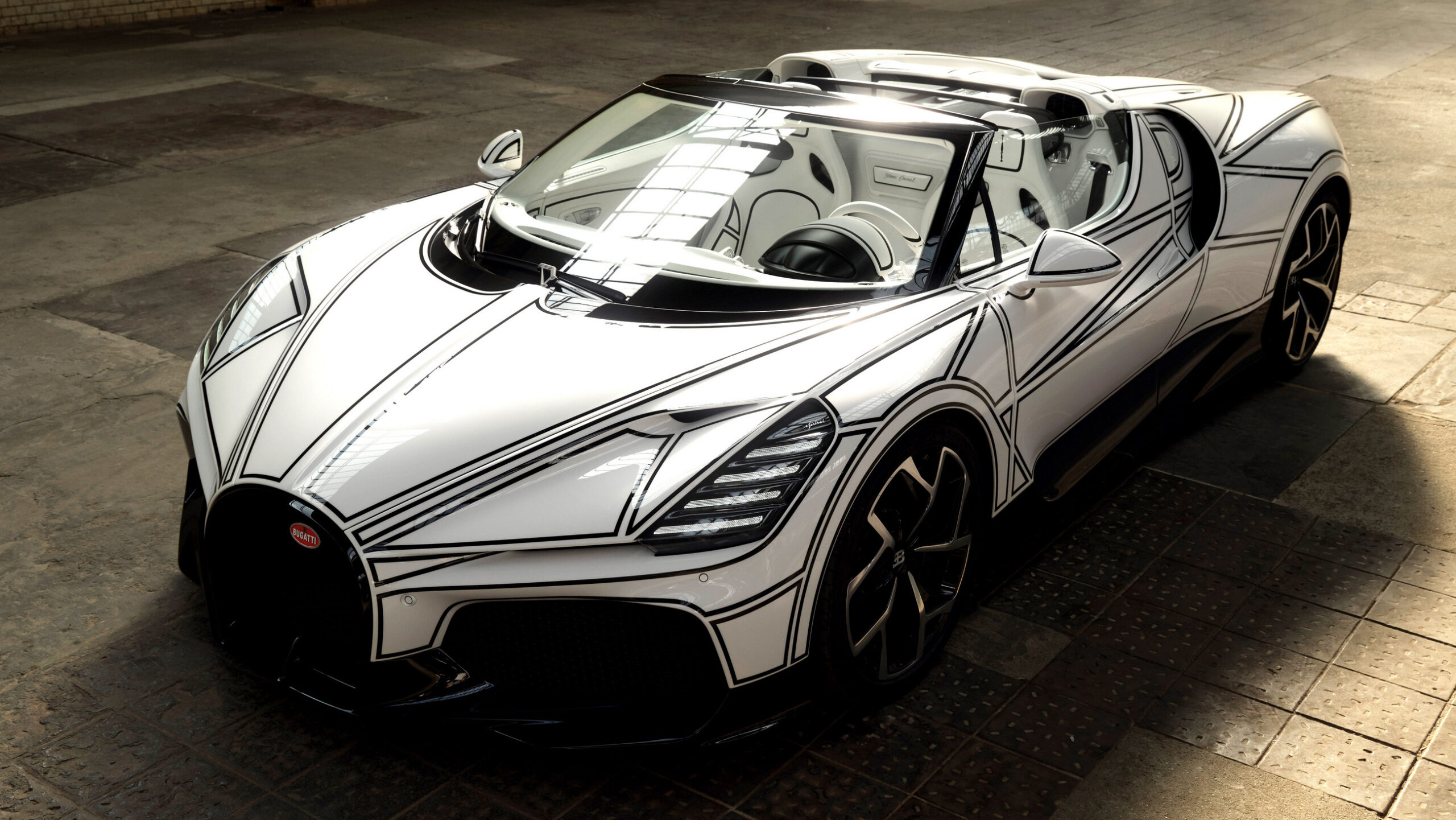
Blanc Éternel Hides Its Speed Behind a Gas Cap
Bugatti built a 261-mph roadster and made sure you'd notice the porcelain first.
From the other desks.

Gold Leaf on a Lacquer Dial, and the Weight of What That Costs
Awake's Frosted Leaf Royal Blue asks a question Vietnamese craft has never quite had to answer at this price.

ESPN Named Him. Then Unnamed Him. Nobody's Explaining the Gap.
A retraction without a reckoning is just a deleted link.

Hide My Email Has Been Showing Your Email
Apple's privacy flagship has a hole in it. They've known for over a year.