Two Years of Cuts, Then Silence. Now Tesla Wants Its Money Back.
The Model Y just got more expensive for the first time in two years — and that might tell you more about the EV market than any sales chart.
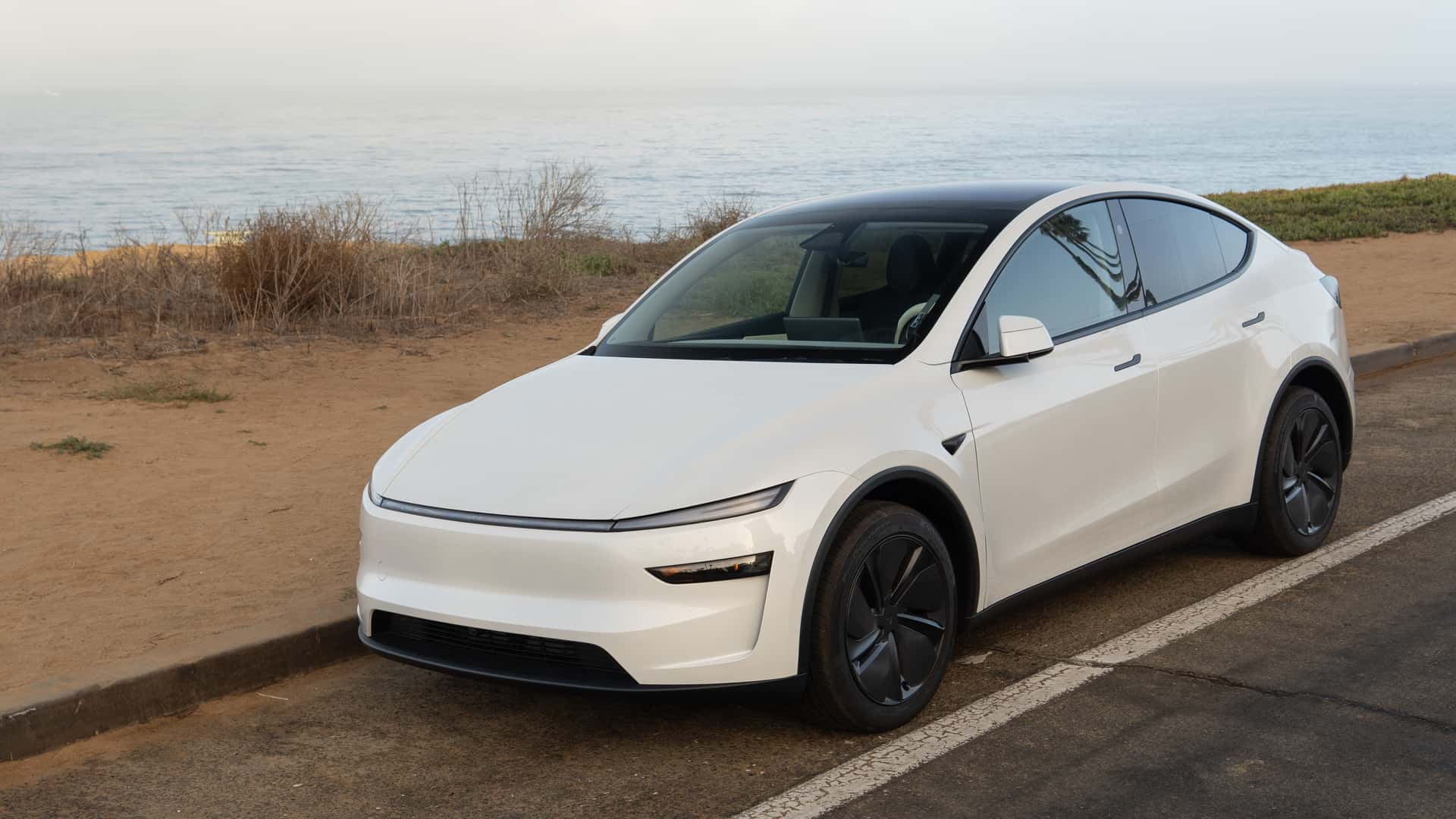
Photo · InsideEVs - Articles
A price cut is a confession. A price increase is a bet.
Tesla just raised the Model Y's price by up to $1,000 across its Premium and Performance trims — the first increase in two years, according to Electrek. That number sounds modest until you understand what those two years were. They were a prolonged, aggressive campaign of cuts, a strategy that reshaped how the industry thought about electric vehicle pricing and dragged every competitor into a margin war they didn't ask for.
Now Tesla has stopped cutting. The question worth sitting with is why.
The Bet Underneath the Price Tag
The simplest read is demand. If you're raising prices, you presumably believe people will pay them. After two years of watching the Model Y's sticker erode, Tesla has apparently decided the floor is somewhere above where it was last week. Whether that confidence is earned or performative is the kind of thing the next few months will answer.
But here's the more uncomfortable read: the EV price war that defined 2024 and 2025 may have accomplished less than the people waging it hoped. Sustained discounting was supposed to bring in buyers who were waiting on the sidelines — price-sensitive, range-anxious, unconvinced. And yet Tesla is raising prices. Which means either those buyers showed up in sufficient numbers to justify the move, or they never really showed up at all and the cuts were buying market share rather than building a market.
Neither answer is entirely flattering.
The Competitors Who Just Got a Gift
InsideEVs made the observation plainly: this development makes the Hyundai Ioniq 5 and the Ford Mustang Mach-E look better than they did last week. That's not a small thing. For much of the past two years, competing against a Model Y that kept getting cheaper was like trying to sell someone a dinner reservation when the restaurant next door was handing out free meals. The math just didn't work.
Now the math shifts, even if only slightly. A $1,000 swing doesn't rewrite the competitive landscape overnight, but it changes the conversation at the dealership — or wherever people make these decisions now. It gives a salesperson something to say. It gives a buyer a reason to look left instead of straight ahead.
The Ioniq 5 and Mach-E haven't changed. The Model Y has. Context does the rest.
What the Market Just Admitted
The most revealing thing about this moment isn't the $1,000. It's the two-year gap it closes.
For the better part of this EV era, affordability was the stated mission. Price it low enough and the holdouts convert. Get the number under some psychological threshold and the floodgates open. Tesla cut. Then cut again. The world's best-selling electric vehicle, as Electrek describes the Model Y, kept getting cheaper and the narrative kept insisting this was the path.
A price increase doesn't just reverse a number. It quietly revises the story. It says: we've found what this thing is worth, and it's worth more than we were charging. Whether consumers agree is the only vote that matters.
The EV market spent two years pretending price was the only obstacle. Tesla just stopped pretending.
Keep reading cars.

800 Horsepower, One Ton of Doubt
Lamborghini built the most powerful SUV it's ever made. It's also slower than what it replaced.

£11,990 Draws a Line Under Every Excuse You Had Left
Dacia just made the cheapest new car in Britain electric — and that's not a footnote, it's a verdict.

Blanc Éternel Hides Its Speed Behind a Gas Cap
Bugatti built a 261-mph roadster and made sure you'd notice the porcelain first.
From the other desks.

Gold Leaf on a Lacquer Dial, and the Weight of What That Costs
Awake's Frosted Leaf Royal Blue asks a question Vietnamese craft has never quite had to answer at this price.

ESPN Named Him. Then Unnamed Him. Nobody's Explaining the Gap.
A retraction without a reckoning is just a deleted link.

Hide My Email Has Been Showing Your Email
Apple's privacy flagship has a hole in it. They've known for over a year.