Volvo Priced the EX60 Below Its Own Gas Car. Someone in Gothenburg Has a Point.
When an electric SUV undercuts the plug-in hybrid it's meant to replace, the price war stops being about EVs and starts being about what luxury was ever charging you for.
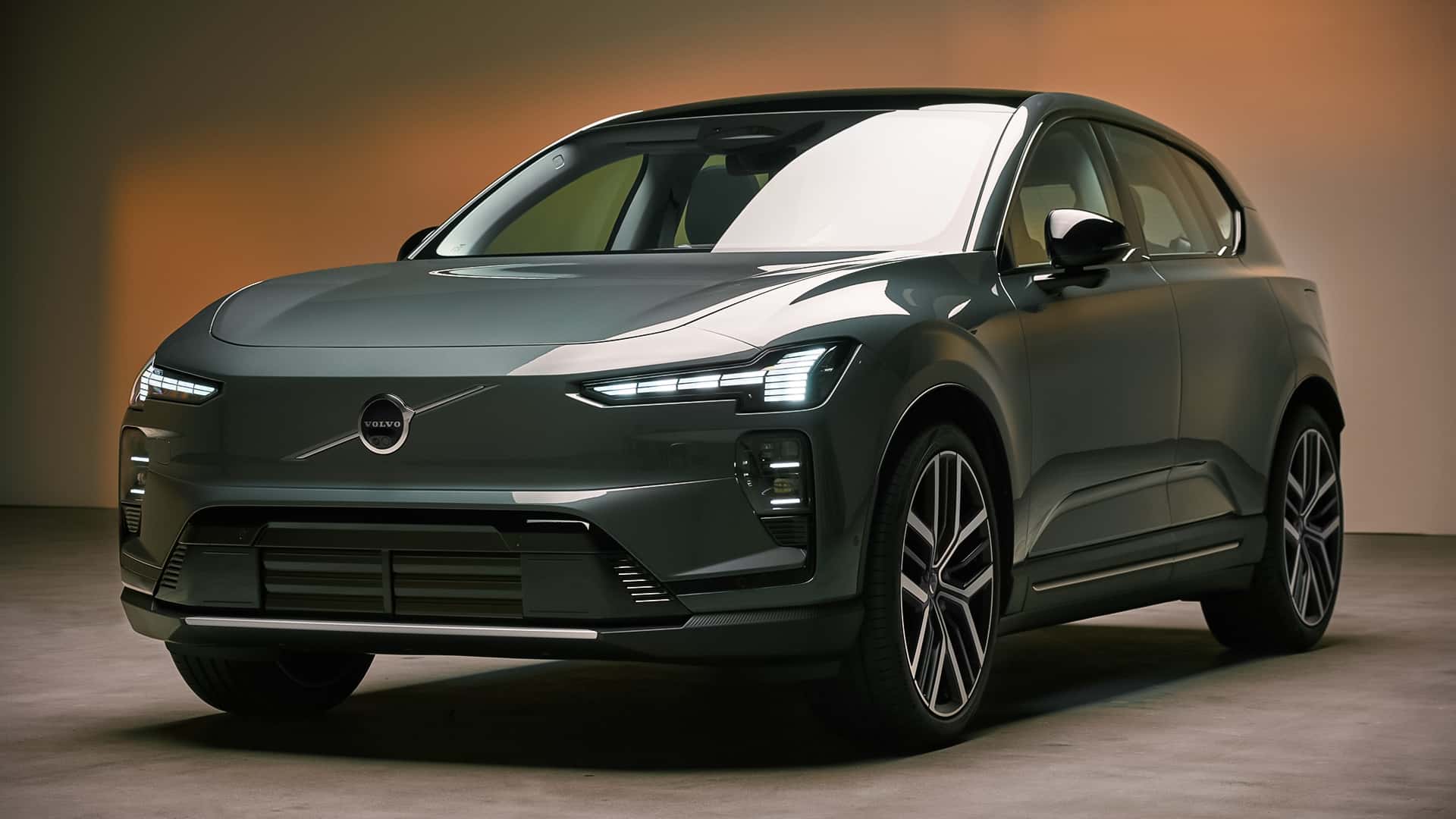
Photo · Motor1.com - Articles
Here's the number that keeps nagging at me: $59,795.
That's where the 2027 Volvo EX60 starts. Below the BMW iX3, which opens at $62,850 according to Motor1. Below, somehow, Volvo's own XC60 plug-in hybrid — the car that has been the brand's best-seller for years, the one that presumably justified everything Volvo thought it was worth. InsideEVs flagged the sibling rivalry directly: the EX60 is cheaper than the XC60 PHEV it's gunning to replace at the top of the sales charts.
Sit with that for a second. A newer car. More range — up to 400 miles, per Electrek. Faster charging. The most advanced fully electric Volvo ever made, by Volvo's own description. And it costs less than the version with a combustion engine bolted to it.
Something structural just shifted.
What the Price Actually Means
The narrative around EVs and cost has been running in one direction for years: electrification is the expensive transition, the premium you pay for progress. Automakers leaned into it. The numbers backed it up. You absorbed the markup because you were buying the future, and the future has always cost more than the present.
The EX60 disrupts that story quietly, without fanfare. Volvo isn't calling this a budget play — Electrek notes the brand is positioning it as more affordable than most luxury rivals, not as a departure from the segment. But the math doesn't care about positioning. When your electric SUV with 400 miles of range costs less than your own gas-and-electric hybrid SUV, you've either been overcharging for the hybrid or you've genuinely cracked something on the cost side. Maybe both.
The BMW comparison is sharper in some ways, softer in others. The iX3 is a credible rival — same segment, similar aspiration, recognizable badge. The EX60 starting under it by roughly three thousand dollars isn't a rout, but it's a signal. In a market where buyers are still doing the mental math on whether EVs make financial sense, arriving cheaper than the obvious German alternative is a real opening move, not a talking point.
A Panini Press and a Philosophy
One detail from The Autopian's first look at the car in New York stuck with me — a writer standing in the Oculus near the World Trade Center, getting close to the EX60 for the first time, noticing the charging port design. It opens like a panini press, apparently. Hinged differently than you'd expect. The writer found it smart rather than gimmicky.
I keep returning to that image — not the port itself, but the fact that someone at Volvo thought carefully enough about the mechanics of plugging in that they reinvented the door. That's the kind of detail that lives below the spec sheet. You don't notice it in a press release. You notice it standing in front of the car, which is why Volvo put the car in a mall in Manhattan and let people get close.
There's a version of this launch where the EX60 is just numbers — range, price, charge time, competitive positioning. That version is useful. But the car that costs less than its own gas sibling while being more capable than anything Volvo has electrified before isn't just a pricing story. It's a statement about which direction the brand is pointing.
The XC60 built Volvo's modern reputation. Now its replacement arrives cheaper, quicker, and further-reaching — and the combustion car is the one that looks like it costs too much.
Luxury spent decades convincing you the price was the proof. The EX60 is asking what happens when it isn't.
Keep reading cars.

800 Horsepower, One Ton of Doubt
Lamborghini built the most powerful SUV it's ever made. It's also slower than what it replaced.

£11,990 Draws a Line Under Every Excuse You Had Left
Dacia just made the cheapest new car in Britain electric — and that's not a footnote, it's a verdict.
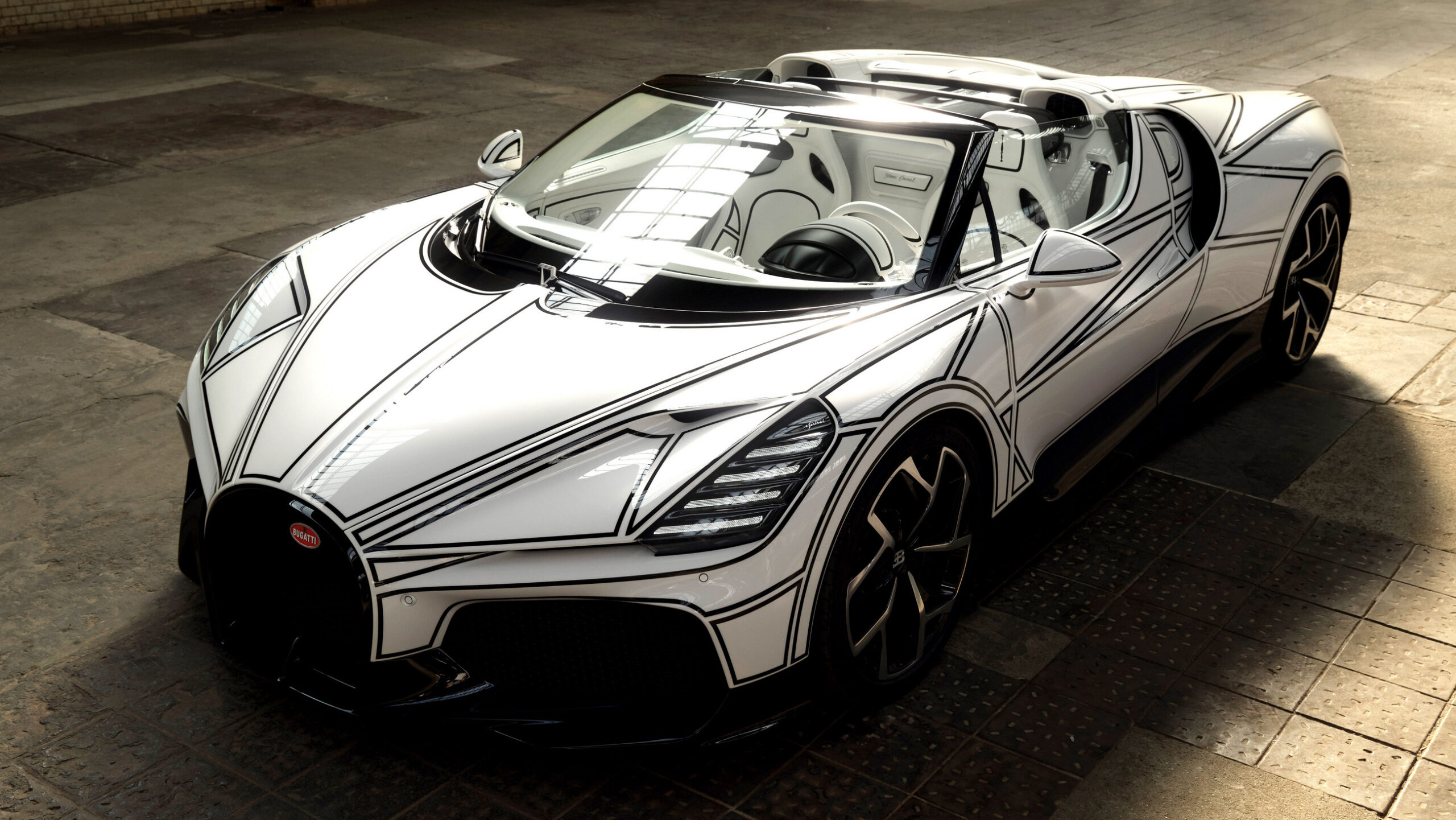
Blanc Éternel Hides Its Speed Behind a Gas Cap
Bugatti built a 261-mph roadster and made sure you'd notice the porcelain first.
From the other desks.

Gold Leaf on a Lacquer Dial, and the Weight of What That Costs
Awake's Frosted Leaf Royal Blue asks a question Vietnamese craft has never quite had to answer at this price.

ESPN Named Him. Then Unnamed Him. Nobody's Explaining the Gap.
A retraction without a reckoning is just a deleted link.

Hide My Email Has Been Showing Your Email
Apple's privacy flagship has a hole in it. They've known for over a year.