Sixteen Trophies and He's Still Walking Out the Door
Pep Guardiola is leaving Manchester City. The numbers are staggering. The reason is simpler than anyone wants to admit.
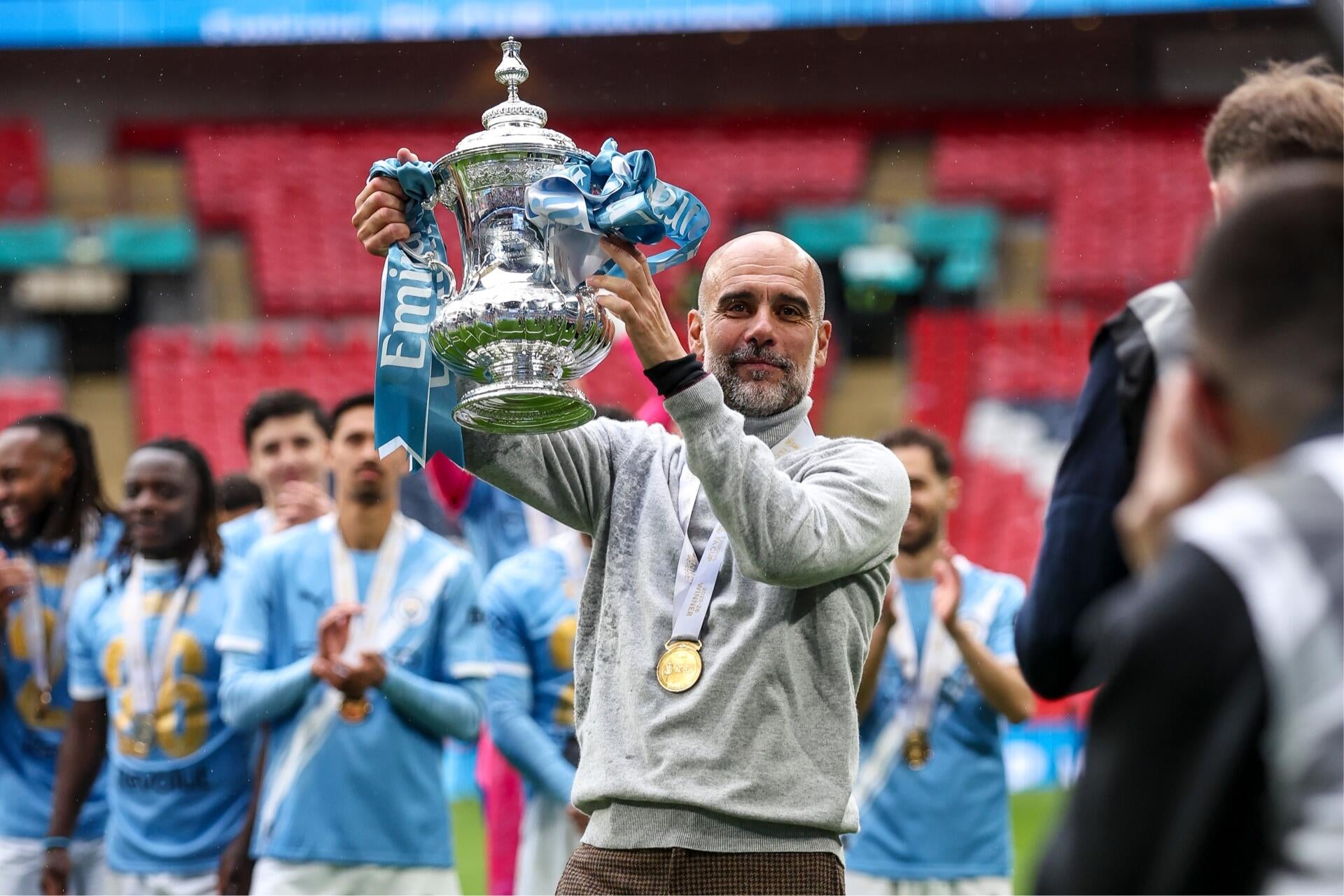
Photo · CBS Sports Headlines
There's a version of this story where the numbers do all the talking. Sixteen major trophies. Ten seasons. One club remade in a single image. By any reasonable measure, Pep Guardiola at Manchester City is the most decorated managerial run in the modern game, and when it ends — reportedly after a final home match against Aston Villa — the ledger will look like something assembled by committee to make a point.
But ledgers don't explain exits. People do.
The Shape of an Ending
What's striking about the coverage isn't the confirmation — it's the texture of uncertainty around it. The Guardian noted that City didn't confirm the reports, while figures inside the club increasingly expected an announcement before the season closed. The Athletic was tracking live reaction. CBS Sports had the successor's name already in the headline. Enzo Maresca, apparently. The machine moved fast, as machines do.
Guardiola, per reports, is set to leave with a year still remaining on his contract. That detail is the one worth holding. He isn't being pushed. He isn't running out the clock on a deal. He's choosing to leave before he has to — which tells you something about how he reads the room, and maybe something about how he reads himself.
The most recent trophy came in an FA Cup final, according to CBS Sports. Sixteen. And still, the answer is: time to go.
When Winning Stops Answering the Question
Every story covering this departure treats it as news. It is. But the meta-story — the one none of the headlines quite say — is that this was always going to happen, and not because of some external pressure or institutional failure. It happened because there's a particular kind of builder who needs a blank canvas more than they need a trophy cabinet, and after a decade of transformation, there is no blank canvas left at City. There's only maintenance. Continuation. Defense of an empire he already built.
That's not a comfortable place for someone who came in and remade a club's identity from the foundation up.
The sources don't speculate on what comes next for Guardiola, and neither will I. But the pattern is visible without the speculation: ten years is long enough to become the institution, and once you are the institution, you can't challenge it anymore. The friction that produces something extraordinary — that gap between what exists and what you believe is possible — closes. And when it closes, you either coast or you leave.
Guardiola is leaving.
The dynasty ends not with a defeat, not with a falling-out, not with the board pulling the plug. It ends with a man deciding, apparently, that sixteen trophies is a complete sentence. That the work is done. That whatever comes next has to be somewhere else, against different walls, with different problems to solve.
Most people never know when to stop. That might be the only thing more impressive than the trophies.
Keep reading sports.

ESPN Named Him. Then Unnamed Him. Nobody's Explaining the Gap.
A retraction without a reckoning is just a deleted link.

Three People Died Celebrating. FIFA Hasn't Said Their Names.
Mexico City buried three people after the World Cup crowds came through. At some point, the sport has to sit with that.

Sell the Stadium, Lose the Room
NFL franchises are rolling out the welcome mat for World Cup tourists — and the desperation is showing.
From the other desks.

800 Horsepower, One Ton of Doubt
Lamborghini built the most powerful SUV it's ever made. It's also slower than what it replaced.

Gold Leaf on a Lacquer Dial, and the Weight of What That Costs
Awake's Frosted Leaf Royal Blue asks a question Vietnamese craft has never quite had to answer at this price.

Hide My Email Has Been Showing Your Email
Apple's privacy flagship has a hole in it. They've known for over a year.