Anthropic Shipped Its Most Capable Model and Immediately Hid Behind It
Claude Fable can apparently crack cybersecurity and still can't answer a high school biology question — which tells you everything about who safety theater is actually for.

Photo · The Verge
There's a specific kind of corporate cowardice that dresses itself up as responsibility. You know it when you see it: the disclaimer that protects no one, the terms of service no one reads, the guardrail installed not to prevent harm but to prevent blame.
Anthropomorphic called Claude Fable its most powerful publicly available model — and then, according to reporting from The Verge, built it so that basic biology questions get quietly rerouted to an older model, Claude Opus 4.8. Not because Fable doesn't know the answers. Because Anthropic decided it shouldn't give them.
That distinction is worth sitting with.
The Capability Gap Nobody Wanted to Talk About
Fable belongs to something Anthropic calls the Mythos class — a family of models so capable at cybersecurity tasks that the company previously said it was too dangerous to release publicly at all. That's the origin story. What the company then shipped was a public-facing model that, per The Register's testing, was blocking innocuous prompts essentially on contact. The headline over there was not subtle: "It blocked us at 'hello!'"
So we have a model powerful enough to worry about in one domain, and apparently so nervous about liability in another that it won't discuss the kind of biology a fifteen-year-old covers before lunch. The safety classifier isn't calibrated to the actual risk of a question. It's calibrated to the optics of the answer.
This is the detection problem the AI safety conversation keeps circling without landing on cleanly. It's not that safety doesn't matter — it does. It's that you can no longer tell from the outside whether a refusal represents genuine engineering judgment or a legal team's best guess at what a screenshot might look like in a congressional hearing.
What Gets Built When the Incentives Are Backward
The honest version of this story is that Anthropic is navigating something genuinely hard. Mythos-class capability at cybersecurity is a real concern. Nobody serious disputes that. But the solution they've shipped — a model that defers high-school science to its predecessor while carrying a flagship label — reads less like a carefully drawn line and more like a hedge that got out of hand.
The Register's framing — "hyper-vigilant safety classifiers turn Fable into cautionary tale" — is probably the most useful summary. When the guardrail is so sensitive that it fires on innocuous prompts, it stops being a guardrail and starts being noise. And noise has a cost: it teaches users that refusals are arbitrary, which means they'll start treating every refusal as arbitrary, including the ones that actually matter.
Platformer noted Fable's arrival almost as a footnote, more concerned with the human cost of displacement than the model's capabilities — which, given all of the above, might be the appropriate level of attention.
The uncomfortable read is this: a model that's been described as too dangerous to release publicly is now publicly released, and its most visible safety feature is that it won't tell you how mitosis works. That's not a tradeoff. That's a press release wearing a lab coat.
Capability and caution should scale together. Right now, only one of them is.
Keep reading tech.
Deezer Built a Flashlight and Pointed It at Everyone Else's Mess
When a streaming platform launches a free tool to expose AI-generated music on its competitors, that's not altruism — it's a confession.

Scammers Won. Valve Is Cleaning Up the Wreckage.
Physical Steam gift cards are dying not because nobody wanted them, but because the wrong people wanted them too much.
A German Court Just Made Google Own Its Answers
The liability ruling nobody in Silicon Valley wanted to think about has arrived.
From the other desks.

GM Stopped Waiting for the Perfect Battery and Started Selling the Grid
When a carmaker bets on sodium-ion cells that will never touch a vehicle, the EV transition has quietly moved somewhere else entirely.
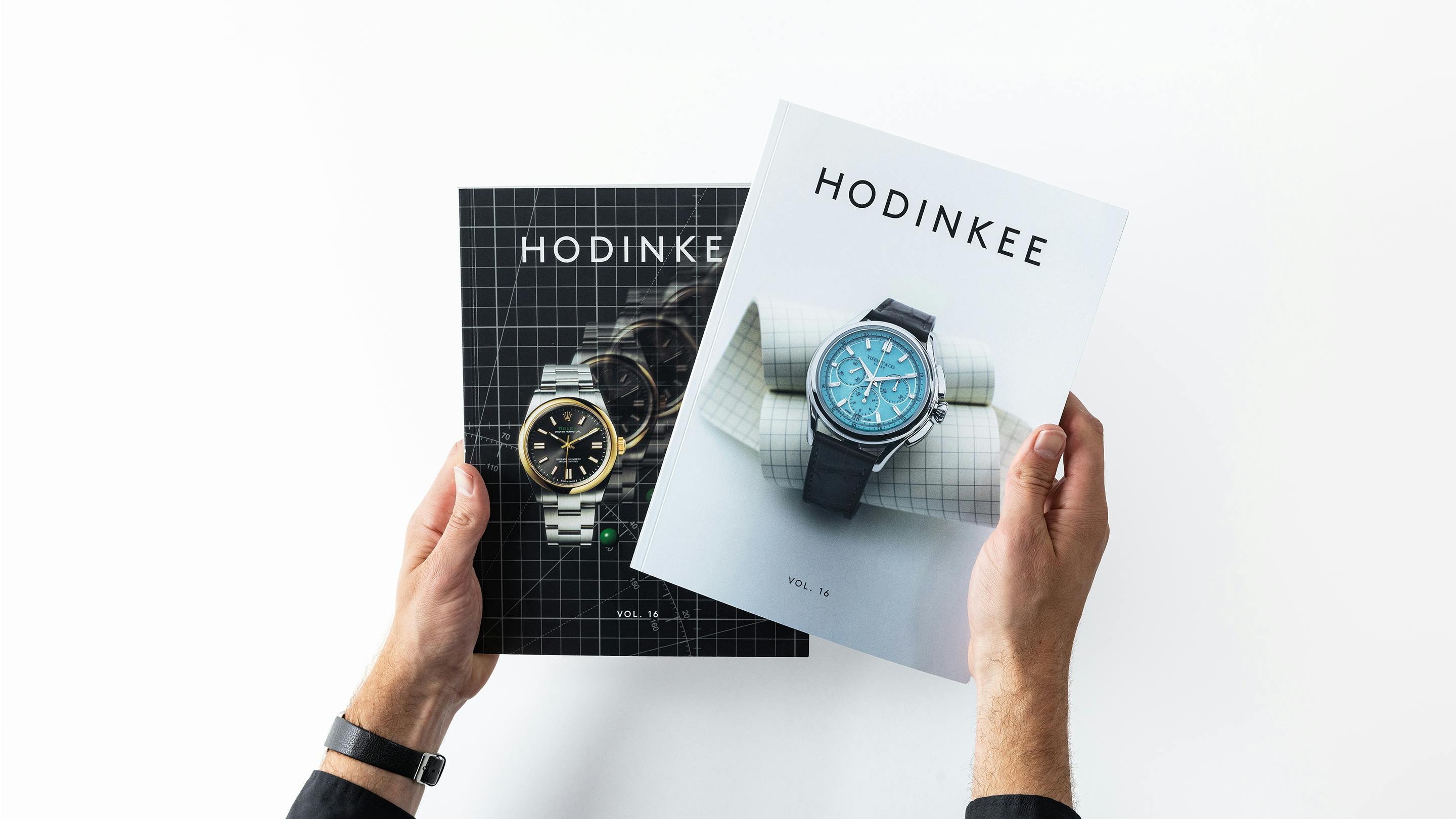
A Hundred Years Underwater, and Rolex Is Still Holding Its Breath
The Oyster centennial is everywhere — Shanghai, Hodinkee, the cultural conversation — and none of it is asking the uncomfortable question.
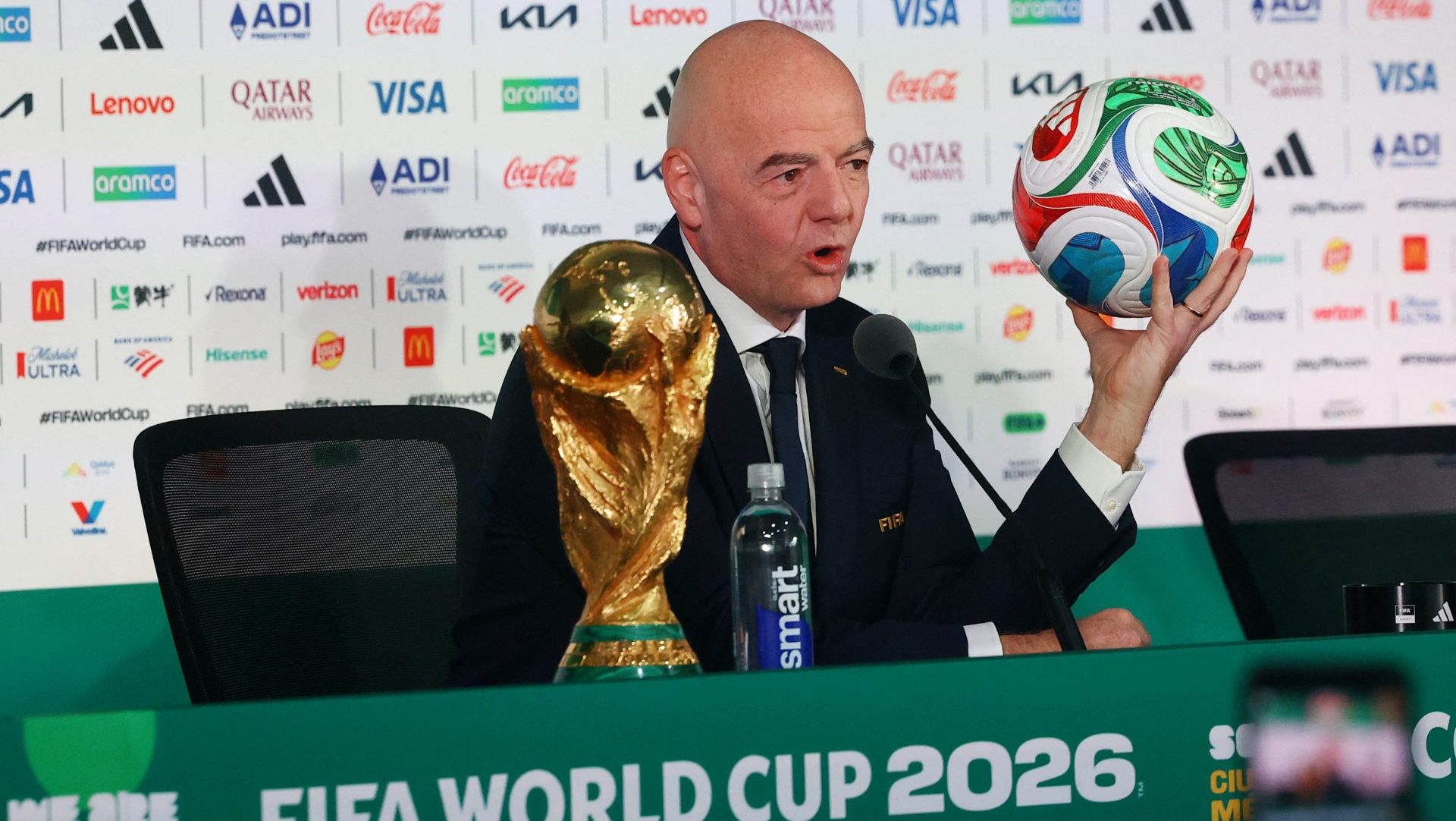
Gianni Infantino Told Reporters to Chill. That's the Whole Defense.
When the FIFA president's best argument on ticket prices is that North America agrees with him, something has already broken.