A German Court Just Made Google Own Its Answers
The liability ruling nobody in Silicon Valley wanted to think about has arrived.
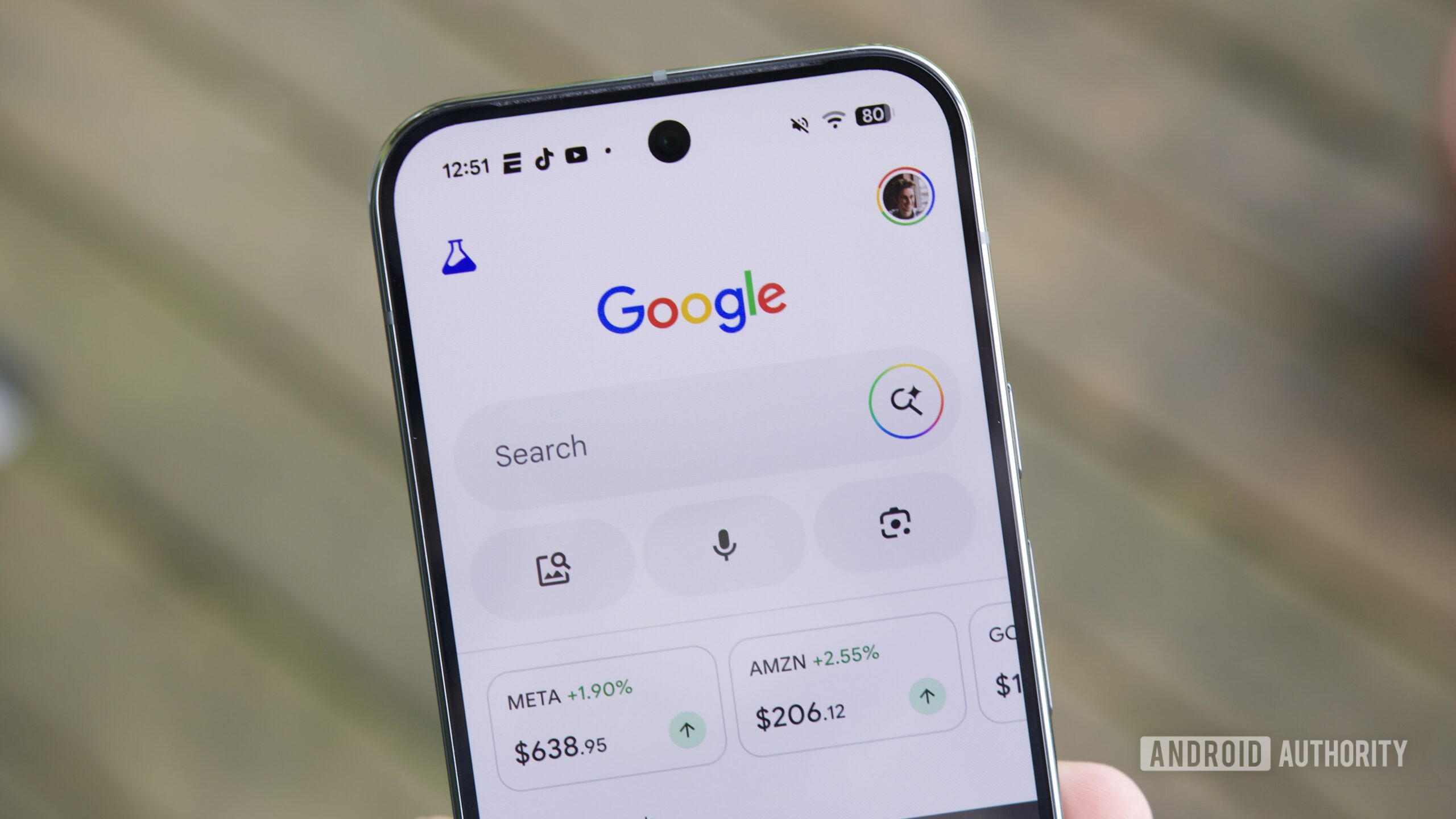
Photo · Android Authority
Here's the thing about building a machine that sounds authoritative: eventually, someone holds it to that standard.
A German court has ruled that Google is liable for errors produced by AI Overviews — the AI-generated summaries that now sit above traditional search results and, depending on the day, either save you a click or quietly mislead you. The case involved AI Overviews describing something as a scam when it wasn't. The court disagreed that Google could simply shrug. So did the ruling.
Google's response, according to reporting from Android Authority, was essentially: our accuracy rate is very high. Which is true the way airline safety statistics are true — until the one time it isn't, and you're the one on the plane.
The Argument Google Has Been Making to Itself
The implicit deal with AI search has always been plausible deniability. The results are generated, not authored. The model surfaces, synthesizes, compiles. Nobody at Google said that thing. The system said it. And for a while, that distinction held — not because it was philosophically sound, but because nobody had tested it in a courtroom that mattered.
Now one has.
Ars Technica's framing is the sharpest read here: the court didn't just rule on the error, it ruled on the need. Nobody requires AI to search the internet, the ruling essentially argues. Google chose to build this, chose to put it at the top of the page, chose to present it as the answer. That's not a neutral technical act. That's editorial. And editorial has consequences.
This is the part the industry has been sprinting away from since the first large language model shipped. The more confidently a tool presents information, the more it looks like a publisher. The more it looks like a publisher, the harder it is to argue you're just a pipeline.
What "Overwhelmingly Accurate" Actually Means
Google's defense — high accuracy, isolated errors — is a real argument and also a category error. Accuracy at scale isn't the same as reliability for any individual query. If AI Overviews generate billions of impressions and get it wrong a fraction of a percent of the time, that fraction still represents an enormous number of actual people reading actual false claims presented with the visual authority of a Google answer box.
One of those people, in this case, had their reputation damaged. The court noticed.
What's interesting across all three sources is what they don't quite say directly but collectively imply: Google may have shipped AI Overviews faster than it shipped a legal framework for owning them. The product moved. The liability posture didn't.
The German ruling may not travel everywhere immediately. Legal systems differ. But the logic does travel. Once one court establishes that the company deploying an AI answer is responsible for what that answer claims, every jurisdiction with a defamation statute starts looking at the same question from a new angle.
Ars Technica suggests this could spell broader trouble for AI search as a category. That might be slightly dramatic — or it might be exactly right, depending on how many more rulings follow and how fast.
Either way, Google now has a ruling that says: you built the thing that said the wrong thing. You own the wrong thing.
In the race to make search feel smarter, someone forgot to ask who signs for the package when it's wrong.
Keep reading tech.
Deezer Built a Flashlight and Pointed It at Everyone Else's Mess
When a streaming platform launches a free tool to expose AI-generated music on its competitors, that's not altruism — it's a confession.

Scammers Won. Valve Is Cleaning Up the Wreckage.
Physical Steam gift cards are dying not because nobody wanted them, but because the wrong people wanted them too much.

Anthropic Shipped Its Most Capable Model and Immediately Hid Behind It
Claude Fable can apparently crack cybersecurity and still can't answer a high school biology question — which tells you everything about who safety theater is actually for.
From the other desks.

GM Stopped Waiting for the Perfect Battery and Started Selling the Grid
When a carmaker bets on sodium-ion cells that will never touch a vehicle, the EV transition has quietly moved somewhere else entirely.
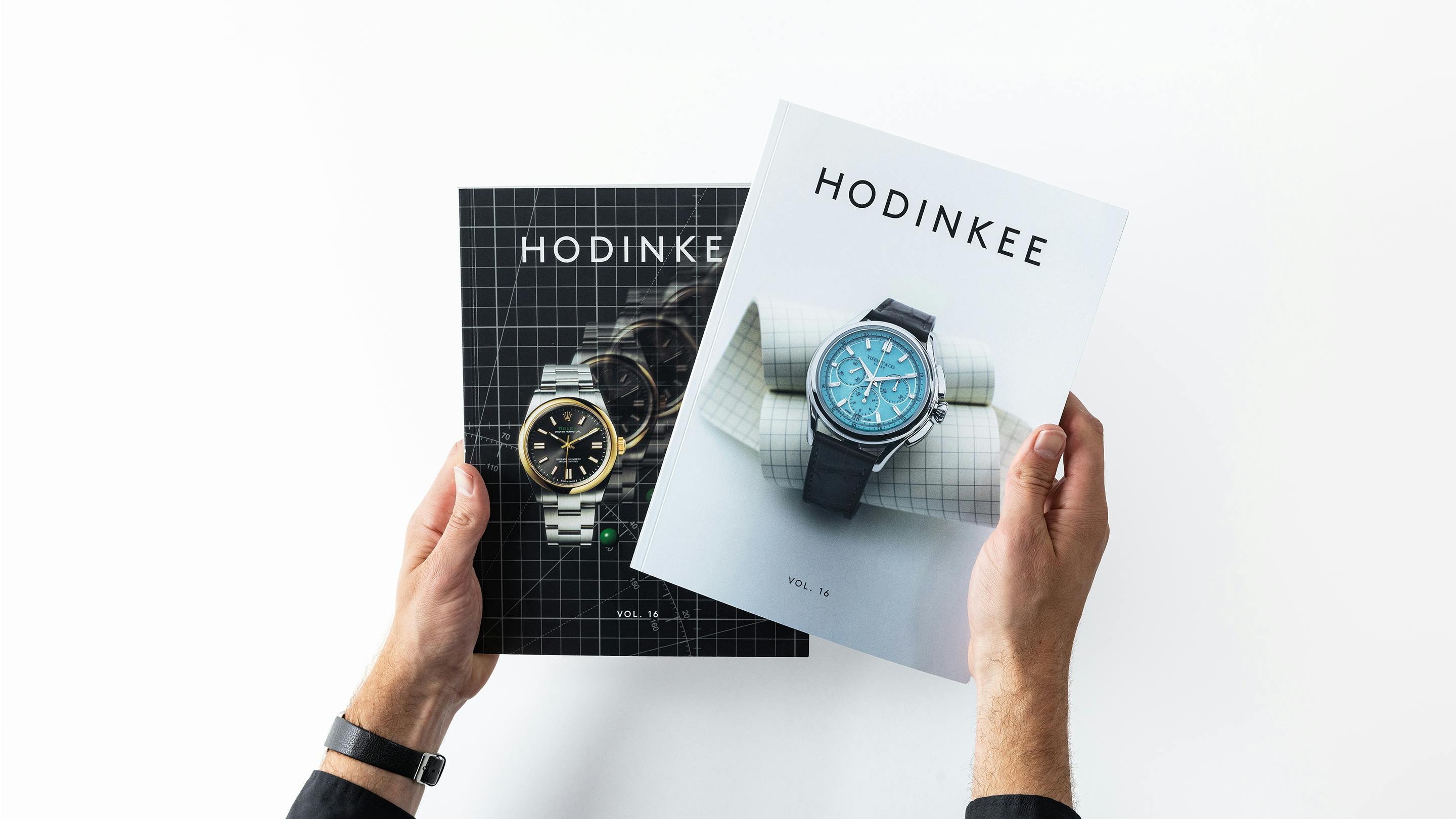
A Hundred Years Underwater, and Rolex Is Still Holding Its Breath
The Oyster centennial is everywhere — Shanghai, Hodinkee, the cultural conversation — and none of it is asking the uncomfortable question.

Gianni Infantino Told Reporters to Chill. That's the Whole Defense.
When the FIFA president's best argument on ticket prices is that North America agrees with him, something has already broken.