Scammers Won. Valve Is Cleaning Up the Wreckage.
Physical Steam gift cards are dying not because nobody wanted them, but because the wrong people wanted them too much.

Photo · Latest from Tom's Hardware
Here is a thing that happened: a legitimate retail product, sold in thousands of stores, got exploited so relentlessly and for so long that the company making it decided the only winning move was to stop making it. No security patch. No redesign. Just an exit.
Valve announced it will stop restocking physical Steam gift cards at retail locations by the end of 2026. Existing cards will still work. Digital gifting isn't going anywhere. But the physical card — the thing you'd find hanging on a peg at a grocery store or a GameStop — is done. Both Tom's Hardware and Engadget traced the cause to the same place: scammers, and Valve's own admission that years of restrictions simply haven't been enough to stop them.
That last part deserves a second read. Years of restrictions. Not one failed fix. A sustained, multi-year effort to make a cardboard rectangle less exploitable — and the answer, eventually, was that it couldn't be done cheaply enough to be worth it.
The Exploit Was Always the Product
Gift card scams aren't a Steam-specific problem. They're practically a genre at this point. The format is nearly perfect for fraud: anonymous value, easy to transfer, difficult to reverse, sold in physical locations where the retailer has limited ability to monitor activation patterns or flag suspicious bulk purchases. Scammers have been running gift card schemes across every major brand for years, and the playbook is consistent enough that it barely qualifies as news anymore.
What makes the Valve situation worth sitting with is the admission embedded in it. When a company says "we've tried restrictions and they haven't worked," they're not just describing a technical failure. They're describing an economics problem. At some point, the cost of fighting the fraud — whether in engineering, customer support, retailer relations, or brand damage — exceeded whatever the physical card format was still generating in legitimate sales. The scammers didn't just abuse the system. They made the system unprofitable to defend.
That's a different kind of win than most people credit them with.
Retail Already Lost This One Slowly
The other thing both sources gesture at without quite saying: physical gift cards were already a shrinking category for digital storefronts. Steam's core user is buying games from a desktop client or a phone. The gift card peg at a checkout aisle was always a slightly awkward fit — a digital product wearing analog clothing, sold in a channel designed for people who weren't already online shoppers.
Scammers just accelerated a conclusion that was probably coming anyway. They collapsed a timeline. The retail distribution model for digital game currency had a natural lifespan, and the fraud problem shortened it by some number of years nobody will publicly calculate.
Digital gifting options remain. That's the actual future of this, and it presumably involves less cardboard, fewer retail margins, and a dramatically smaller attack surface. If you want to give someone Steam money, you'll still be able to. You just won't be handing them a piece of plastic you grabbed from a spinning rack.
Valve didn't lose a product. They lost a fight they kept choosing to show up to — and finally decided the mat wasn't worth it.
Sometimes the most honest thing a company can do is admit the exploit won.
Keep reading tech.

Deezer Built a Flashlight and Pointed It at Everyone Else's Mess
When a streaming platform launches a free tool to expose AI-generated music on its competitors, that's not altruism — it's a confession.

Anthropic Shipped Its Most Capable Model and Immediately Hid Behind It
Claude Fable can apparently crack cybersecurity and still can't answer a high school biology question — which tells you everything about who safety theater is actually for.
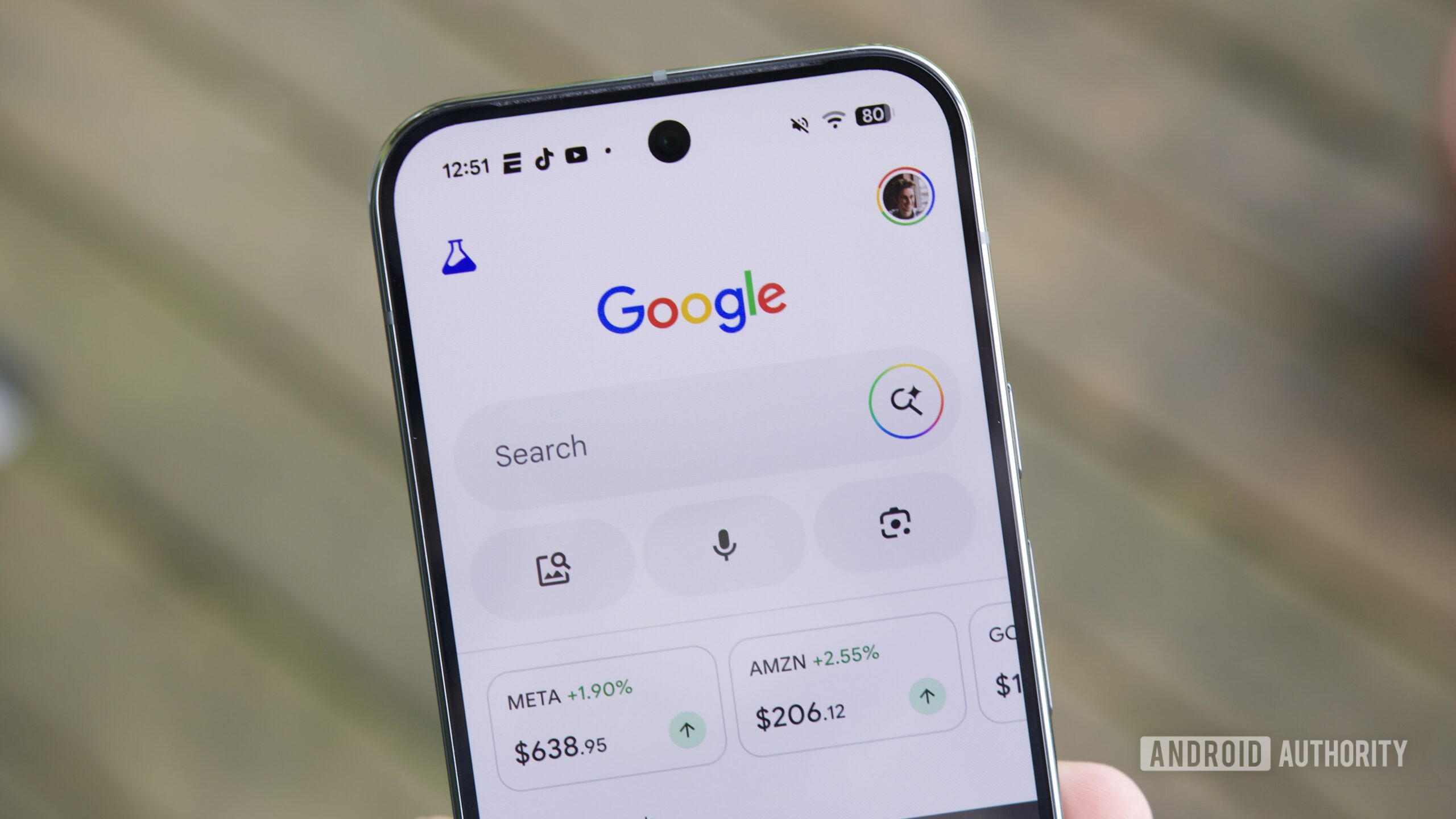
A German Court Just Made Google Own Its Answers
The liability ruling nobody in Silicon Valley wanted to think about has arrived.
From the other desks.

GM Stopped Waiting for the Perfect Battery and Started Selling the Grid
When a carmaker bets on sodium-ion cells that will never touch a vehicle, the EV transition has quietly moved somewhere else entirely.

A Hundred Years Underwater, and Rolex Is Still Holding Its Breath
The Oyster centennial is everywhere — Shanghai, Hodinkee, the cultural conversation — and none of it is asking the uncomfortable question.

Gianni Infantino Told Reporters to Chill. That's the Whole Defense.
When the FIFA president's best argument on ticket prices is that North America agrees with him, something has already broken.