Apple's Foldable Phone Has Two Problems. It's Had Them for Years.
The rumor cycle keeps returning to the same engineering anxieties — which tells you everything about where this thing actually stands.
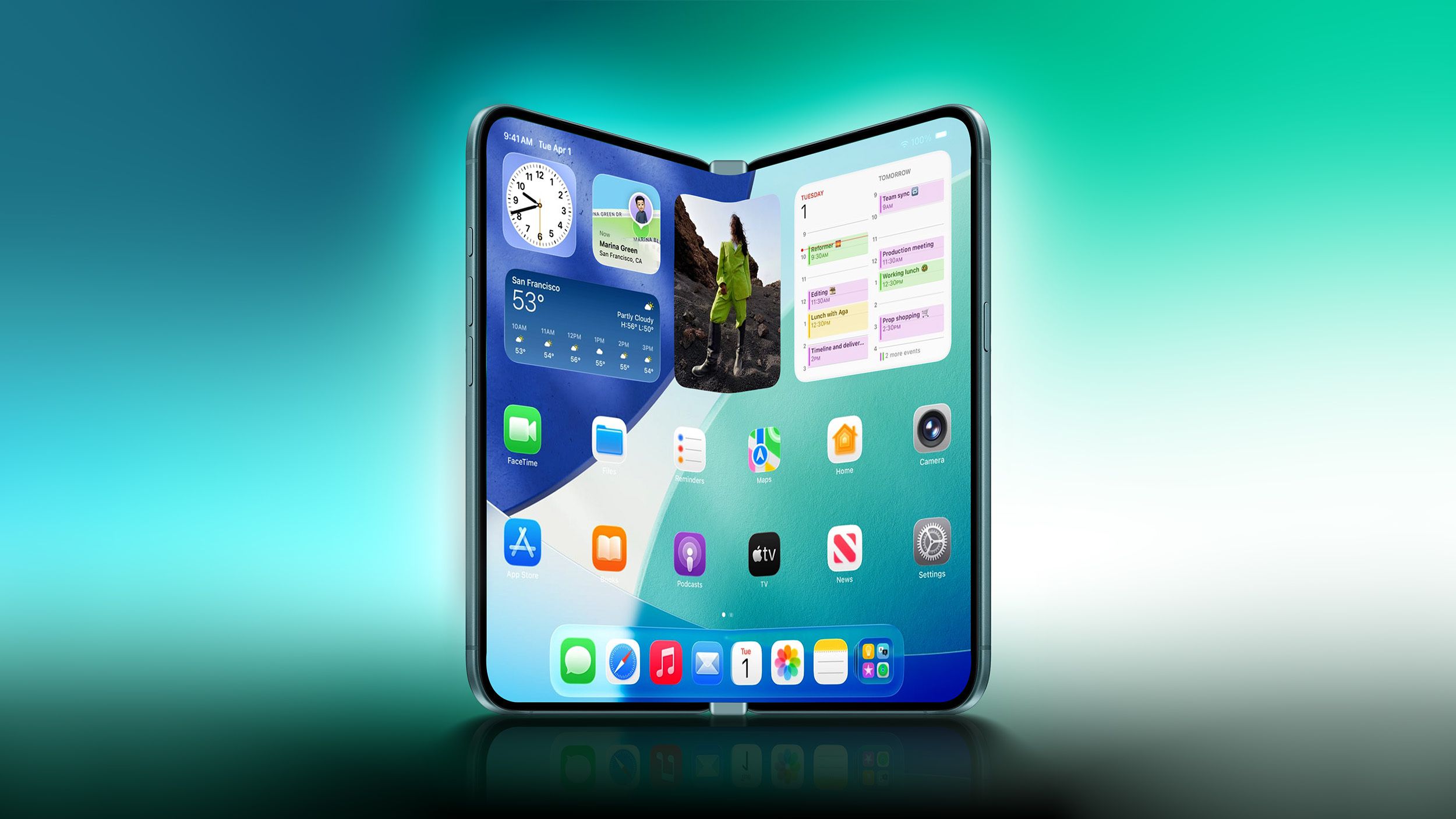
Every few months, the foldable iPhone rumors resurface like a tide that never quite reaches shore. A leaker on Weibo. A Mark Gurman dispatch. A dummy model photographed from four angles that tell you almost nothing. And underneath all of it, the same two problems: the crease, and what to call the thing.
That's not a coincidence. That's a diagnosis.
The Engineering Is the Story
According to Bloomberg's Mark Gurman, Apple engineers believe they've now solved the screen quality and durability issues that have plagued foldables as a category — specifically, that the crease in the display will be less visible when unfolded compared to competing devices. MacRumors noted that earlier reporting had gestured toward a virtually crease-free inner display before Gurman walked that back to something more measured. Less visible. Not invisible. That's a meaningful distinction, and it's the kind of language that suggests a company that has gotten somewhere, but not all the way there.
The durability piece matters just as much. Foldables from other manufacturers have had a reputation for screens that don't hold up the way a glass slab does. If Apple has genuinely cracked that — or cracked it enough — it changes the calculus. But "Apple engineers believe they've solved" is doing a lot of work in that sentence. Belief and proof are different things, and one of them ships in September.
Rumors now place the device in a testing stage that precedes mass production, which is the kind of milestone that separates vaporware from an actual product roadmap. Something is coming. The question is whether the engineering confidence holds once real people start folding and unfolding the thing several hundred times a day.
What You Call a $2,000 Phone
The naming debate is almost more revealing than the specs. "iPhone Fold" is what the rumor cycle has been using as a placeholder, but a leaker is claiming the actual name will be "iPhone Ultra" — and MacRumors points out that with pricing expected to exceed $2,000, the Ultra branding has a certain logic to it. Ultra already exists in Apple's lineup as a signal of the top of the stack. Attaching it to a foldable would position the device as an apex product rather than a category experiment.
But the fact that naming is still being debated — still leaking, still uncertain — tells you something. Names aren't usually the last thing companies figure out. They're often the first thing that gets locked. When the name is still in play this close to a rumored September announcement, it suggests the product's identity is still being negotiated internally. Is this a technology showcase? A status object? A productivity device? The answer to that question determines the name, and apparently the answer isn't settled.
Apple has watched every other manufacturer take their shot at foldables and mostly stumble. That vantage point is an advantage — you get to learn from other people's mistakes before you make your own. What the current rumor cycle makes clear is that Apple identified the two most important mistakes — screen integrity and product positioning — and has spent considerable time trying not to repeat them.
Whether they've actually succeeded is a question only September can answer. But if you've been paying attention, you already know which two things to look at first.
Keep reading tech.

Hide My Email Has Been Showing Your Email
Apple's privacy flagship has a hole in it. They've known for over a year.

Sony Killed the Disc. Sony Is Also Killing the Store.
Two announcements, one company, and a quiet admission that "ownership" was always their word to define.
Apple Went to the Highest Court It Could Find. That Tells You Everything.
When a contempt ruling sends you to the Supreme Court, you're not defending a policy anymore — you're defending a worldview.
From the other desks.

800 Horsepower, One Ton of Doubt
Lamborghini built the most powerful SUV it's ever made. It's also slower than what it replaced.

Gold Leaf on a Lacquer Dial, and the Weight of What That Costs
Awake's Frosted Leaf Royal Blue asks a question Vietnamese craft has never quite had to answer at this price.

ESPN Named Him. Then Unnamed Him. Nobody's Explaining the Gap.
A retraction without a reckoning is just a deleted link.