iPhone Ultra Is Apple Telling You to Wait
Calling the foldable 'Ultra' isn't branding — it's a price warning dressed up as a compliment.
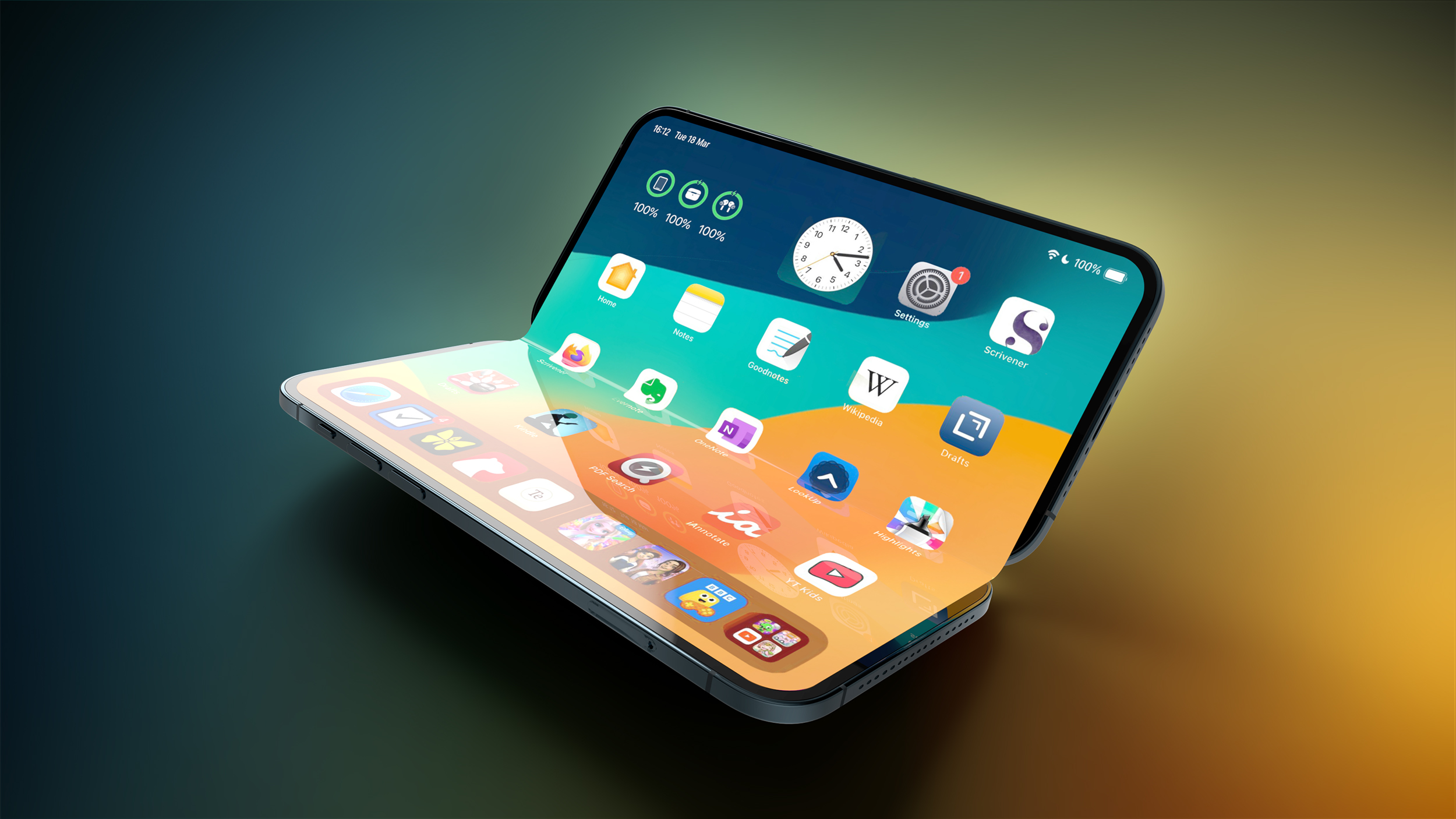
The name does the work before the specs ever load.
Apple calling its foldable the iPhone Ultra — if that's what happens — isn't about product differentiation. It's about permission. Permission to charge $2,000 to $2,500 for a phone. Permission to make the Pro feel like the sensible choice again. Permission to define a new ceiling and call it aspiration.
Ultra already means something in Apple's world. It means the thing you buy when the other thing wasn't enough. The M-series chip that makes professionals feel seen. The watch for people who run ultras and apparently need Apple to acknowledge that. It's a word Apple has been quietly loading with meaning for a few years now, and dropping it on a foldable is the clearest signal yet that this isn't an experiment — it's a statement.
What a Name Has to Carry
Naming is the first spec. Before anyone sees the hinge mechanism, before the display measurements land, before the camera array gets benchmarked against a Samsung that's been doing this for five years — the name sets the floor for how seriously you're supposed to take it.
Pro said: this is for people with jobs that justify it. Max said: same thing, bigger. Ultra said: stop asking questions.
Apple has trained that response deliberately. The Mac Pro with M2 Ultra wasn't a faster computer — it was a category signal. A thing for people who had already exhausted everything else. The Apple Watch Ultra didn't just add a titanium case and a louder speaker. It told a specific kind of person that Apple finally made something for them specifically. Ultra, in Apple's taxonomy, is the end of the conversation.
Putting that word on a foldable phone isn't a naming exercise. It's a repositioning of the entire foldable category. Samsung's Galaxy Z Fold has existed since 2019. It has gotten genuinely good. It has not made foldables feel necessary. Apple calling their first entry Ultra is a claim that necessary was never the point — definitive was.
The Price Is the Message
At $2,500, the iPhone Ultra costs more than a entry Rolex. More than a decent used car payment. More than most people's monthly rent in a mid-sized city. That number isn't an accident and it isn't greed dressed up as engineering. It's a positioning document.
High prices do something psychologically that specs cannot. They create patience. At $2,500, nobody impulse-buys. You wait. You think. And while you're thinking, Apple's framing — that this is the one worth having waited for — has time to settle in.
What's interesting is who follows. Chinese manufacturers are reportedly watching the Ultra naming and considering adopting it for their own foldables, just at a friendlier price. That's not flattery. That's the market confirming Apple's framing works even before the product ships. When competitors start borrowing your vocabulary, you've already won the category argument.
The foldable form factor has been available for years. Samsung has done it. Motorola has done it. Google tried. None of them made the category feel inevitable — they made it feel optional. Apple naming their entry Ultra is a bet that the right word, attached to the right object, at the right moment, makes optional feel foolish.
Maybe it's right. Maybe it's hubris. But at $2,500, you're not just buying a phone that folds. You're buying Apple's confidence that this is the version worth having waited for.
That's either the most expensive name in consumer tech — or exactly what it costs to be first in a category Apple just decided to own.
Keep reading tech.

Hide My Email Has Been Showing Your Email
Apple's privacy flagship has a hole in it. They've known for over a year.

Sony Killed the Disc. Sony Is Also Killing the Store.
Two announcements, one company, and a quiet admission that "ownership" was always their word to define.

Apple Went to the Highest Court It Could Find. That Tells You Everything.
When a contempt ruling sends you to the Supreme Court, you're not defending a policy anymore — you're defending a worldview.
From the other desks.

800 Horsepower, One Ton of Doubt
Lamborghini built the most powerful SUV it's ever made. It's also slower than what it replaced.

Gold Leaf on a Lacquer Dial, and the Weight of What That Costs
Awake's Frosted Leaf Royal Blue asks a question Vietnamese craft has never quite had to answer at this price.

ESPN Named Him. Then Unnamed Him. Nobody's Explaining the Gap.
A retraction without a reckoning is just a deleted link.