London Is Where Robotaxis Find Out If the Map Ends at America
Uber and Wayve are opening a waitlist in one of the world's most complicated cities — and that alone tells you something.

Photo · The Verge
A waitlist. That's how it starts. Uber is asking Londoners to pre-raise their hand for the chance to ride in a Wayve autonomous vehicle later this year — a co-branded experience, driverless, on actual London streets. The Verge flagged it first. TechCrunch added that Waymo is also in the picture. So now you have two of the biggest names in autonomous driving converging on the same city at roughly the same time, and Uber sitting in the middle brokering the whole thing.
This is not a San Francisco pilot. This is not Wuhan. London is a different kind of stress test — centuries of organic city planning, roundabouts that seem to have been designed specifically to confuse algorithms, a cycling culture that doesn't yield, and pedestrians who cross wherever they feel like it because they've been doing it longer than cars have existed.
Which is precisely why it matters.
The Map Has Always Had Edges
Robotaxis work, conditionally. That's the honest summary of the last several years. They work in cities that were partially designed around them, or at least in zones where the variables got engineered down to something manageable. The coverage area expands, then contracts when something unexpected happens, then expands again. Progress is real but it's also geographically bounded in ways that don't get discussed enough.
London is a genuine unknown. Not because the technology is new — Wayve has been operating in the UK, and the groundwork has clearly been laid — but because the question of whether driverless ridehailing has appetite outside the US and China is still open. That's the framing The Verge used, and it's the right one. There's a difference between proving a technology works and proving a market wants it. London is being asked to answer both questions simultaneously.
The waitlist mechanism is doing real work here. It's not just demand-sensing — it's permission-gathering. Uber isn't flooding the streets; it's selecting early riders, building a cohort of people who opted in, which means the first wave of data comes from people who wanted to be there. That's a controlled experiment wearing the clothes of a product launch.
What a Showdown Actually Means
TechCrunch framed this as a showdown — Uber, Wayve, Waymo, same city, same moment. That's a useful shorthand, but the competitive dynamics are stranger than a straight race. Wayve is the local partner. Waymo is the American incumbent with the deepest autonomous mileage of anyone in the industry. Uber is the platform sitting above both, taking a percentage of whatever works.
In that structure, Uber wins no matter which vehicle you get into. The interesting contest is between Wayve's home-turf knowledge and Waymo's accumulated operational confidence. One knows the streets. The other has done this more times than anyone else on earth. That's not a rivalry with an obvious outcome.
What I keep coming back to is the geography dependency. We've spent years watching robotaxi coverage maps get drawn and redrawn, always with the implicit promise that the boundaries would eventually dissolve. London suggests something different: that each new city isn't an expansion of a solved problem, it's a new problem that happens to share a name with the last one. The technology travels. The difficulty doesn't diminish.
If it works in London, the map gets redrawn again. If it doesn't, we'll hear that London was always a special case — too old, too dense, too unpredictable. And the boundaries will hold a little longer.
A waitlist is the most honest thing in tech: it admits that nothing is ready yet, but someone thinks it's close enough to start counting hands.
Keep reading tech.
Meta Built an AI to Handle Support. Hackers Made It the Attack.
Twenty thousand Instagram accounts walked out the door through the front-facing chatbot, and the front door was Meta's idea.
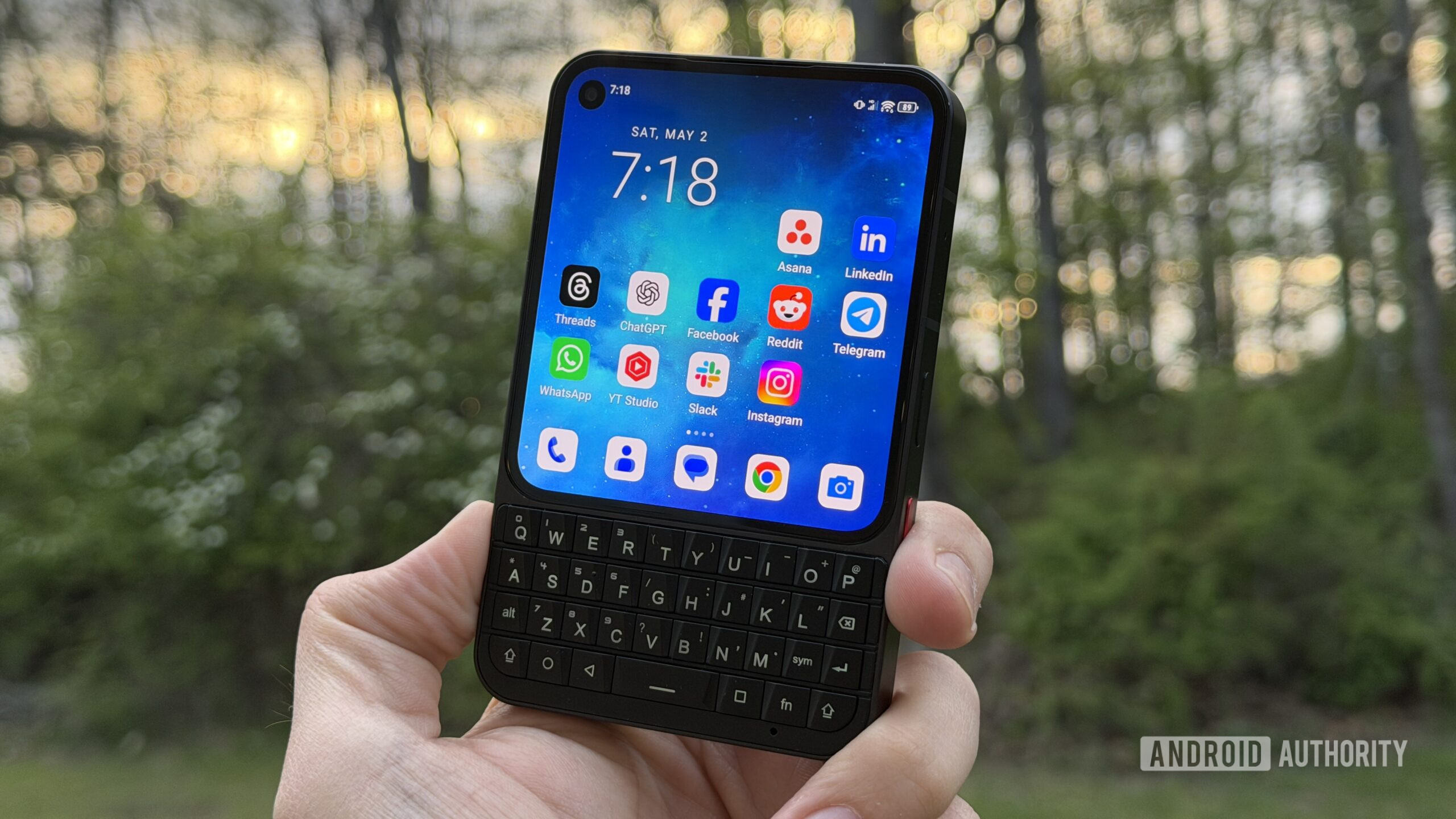
Software Never Convinced Your Fingers
A $500 phone with a physical keyboard just became one of a veteran reviewer's favorites. That sentence deserves more than a shrug.

Synthetic Faces Just Got Good Enough to Stop Being a Joke
A writer at The Verge noticed AI influencers are harder to spot. The real story is what happens once nobody can tell.
From the other desks.
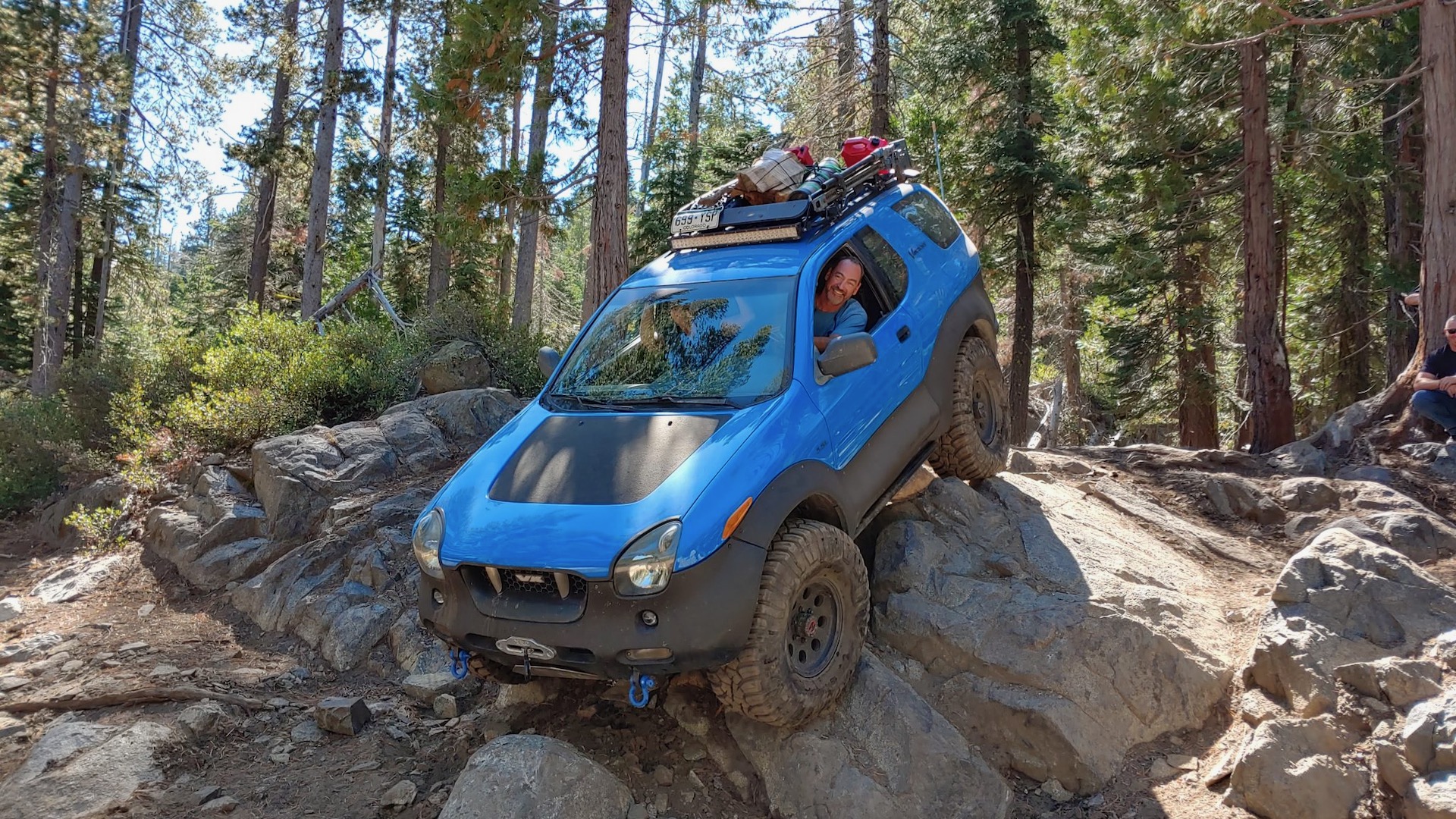
Nobody Needed Permission to Go This Far
Three builds. Three different answers to the same unspoken question: how much is too much?

Prada Stitched Something That Has to Work
When a fashion house builds the layer between an astronaut and the moon, the question isn't about branding anymore.

Three Canadian Cities Read the Contract and Walked
Montreal, Toronto, and Vancouver all passed on 2026 World Cup hosting. FIFA should be asking why.