The App India Blinked On
A billion-person government asked Apple to preload its biometric ID app. Apple said nothing. And somehow that was enough.
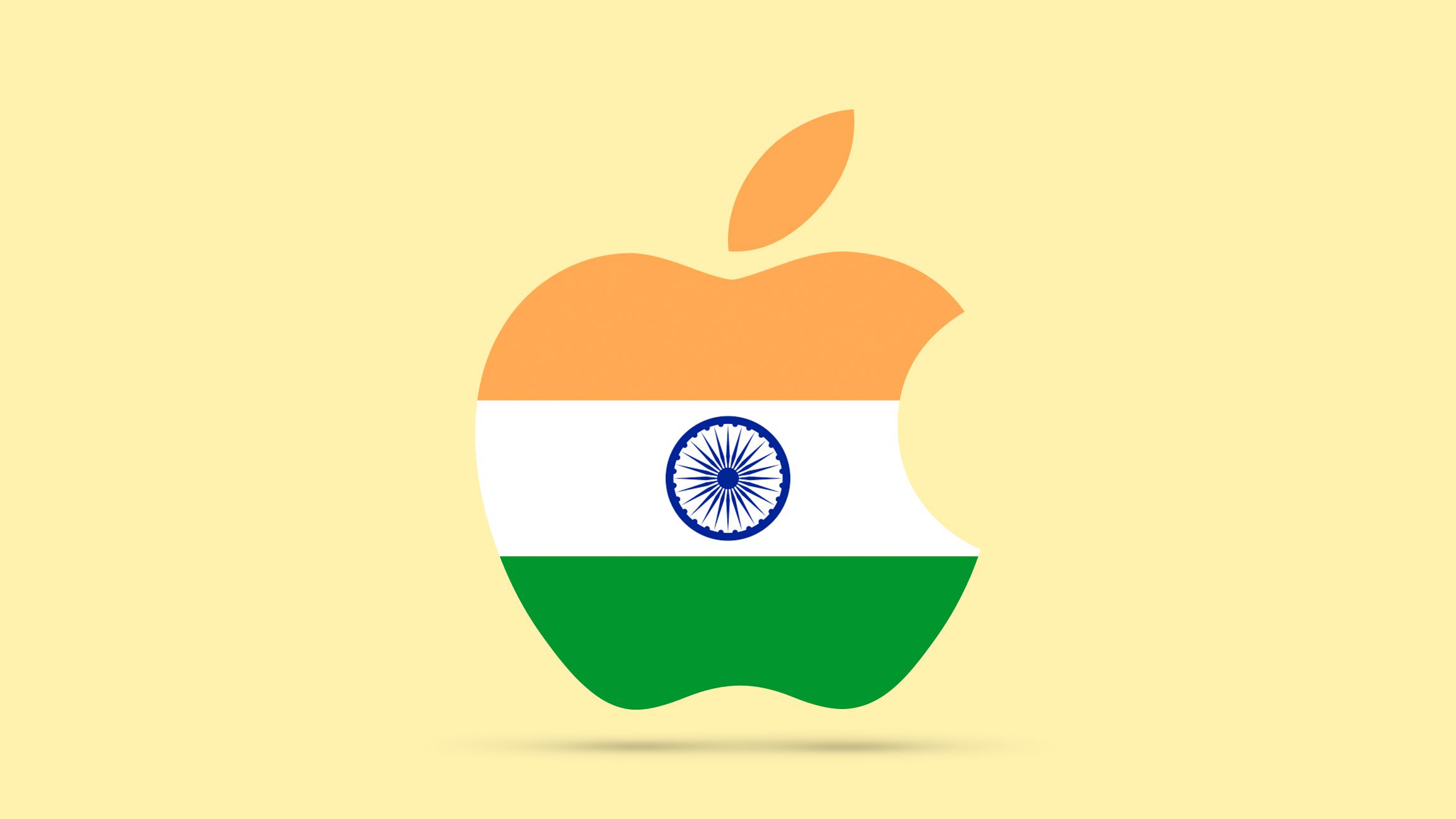
Here's a thing that keeps happening: a government floats a mandate, tech companies go quiet, and then the mandate quietly disappears. No press conference. No concession. Just a proposal that was there, and then wasn't.
That's more or less what unfolded in India. The Unique Identification Authority of India — the body that manages the country's Aadhaar system — asked the IT ministry to open talks with Apple, Samsung, and others about making Aadhaar preinstallation mandatory on smartphones sold in the country. The IT ministry reviewed it. Then told Reuters it was "not in favor" of requiring it. End of story, apparently.
What Aadhaar Actually Is
Aadhaar isn't some niche government portal. It's a 12-digit identity number that has been issued to more than 1.34 billion residents of India. It's tied to your photo, your fingerprints, your iris scans. It's how people access government benefits, banking, taxes, and mobile connections. This isn't a novelty app — it's infrastructure. The kind of infrastructure that, if baked into the default screen of every new iPhone sold in one of the world's largest smartphone markets, becomes something else entirely: an assumption. A given. Something you didn't choose but also can't really refuse.
That's the version of this story worth sitting with. Not the bureaucratic back-and-forth, but what it would have meant if the answer had gone the other way.
The Quiet Veto
Both MacRumors and 9to5Mac covered the retreat with the same basic framing — India backed down, good news, moving on. And they're not wrong. But what neither piece lingers on is the specific geometry of how this works.
Apple didn't fight this publicly. There were no statements, no lobbying stories that surfaced, no Tim Cook op-ed about device sovereignty. The IT ministry just... reviewed the proposal and declined it. Which means one of two things happened: either someone in the Indian government genuinely thought through the implications and got cold feet, or the informal signal from Apple and others was clear enough that the ministry didn't need to be told twice.
Either way, the outcome is the same. A government representing over a billion people, managing a biometric identity system of extraordinary scale, asked the world's most valuable company to put that system on every phone it sells — and the answer was no.
I've watched this dynamic play out enough times to recognize the pattern. The mandate gets floated. It sounds bold. It generates a news cycle. Then someone does the actual math on what enforcement looks like — do you ban iPhone sales? do you fine Apple? do you want to be the government that picked that fight? — and the proposal loses its nerve.
The uncomfortable subtext is that device autonomy, in 2025, is partly protected not by law or principle but by market leverage. Apple can push back because walking away from Apple is a cost most governments aren't willing to pay. That's not a civil liberties argument. It's just a negotiation, and Apple holds cards.
For now, Aadhaar stays in the App Store, where users can choose to download it. That's the right place for it. But the fact that it almost ended up somewhere else — and that the thing stopping it was corporate gravity rather than any formal protection — is worth remembering the next time a government with less to lose floats the same idea.
Keep reading tech.

Hide My Email Has Been Showing Your Email
Apple's privacy flagship has a hole in it. They've known for over a year.

Sony Killed the Disc. Sony Is Also Killing the Store.
Two announcements, one company, and a quiet admission that "ownership" was always their word to define.
Apple Went to the Highest Court It Could Find. That Tells You Everything.
When a contempt ruling sends you to the Supreme Court, you're not defending a policy anymore — you're defending a worldview.
From the other desks.

800 Horsepower, One Ton of Doubt
Lamborghini built the most powerful SUV it's ever made. It's also slower than what it replaced.

Gold Leaf on a Lacquer Dial, and the Weight of What That Costs
Awake's Frosted Leaf Royal Blue asks a question Vietnamese craft has never quite had to answer at this price.

ESPN Named Him. Then Unnamed Him. Nobody's Explaining the Gap.
A retraction without a reckoning is just a deleted link.