The Government Got Hacked. The Hacker Got a Talking-To.
Nicholas Moore breached three federal networks, posted the evidence on Instagram, and walked out of court with probation. Make it make sense.

Photo · TechCrunch
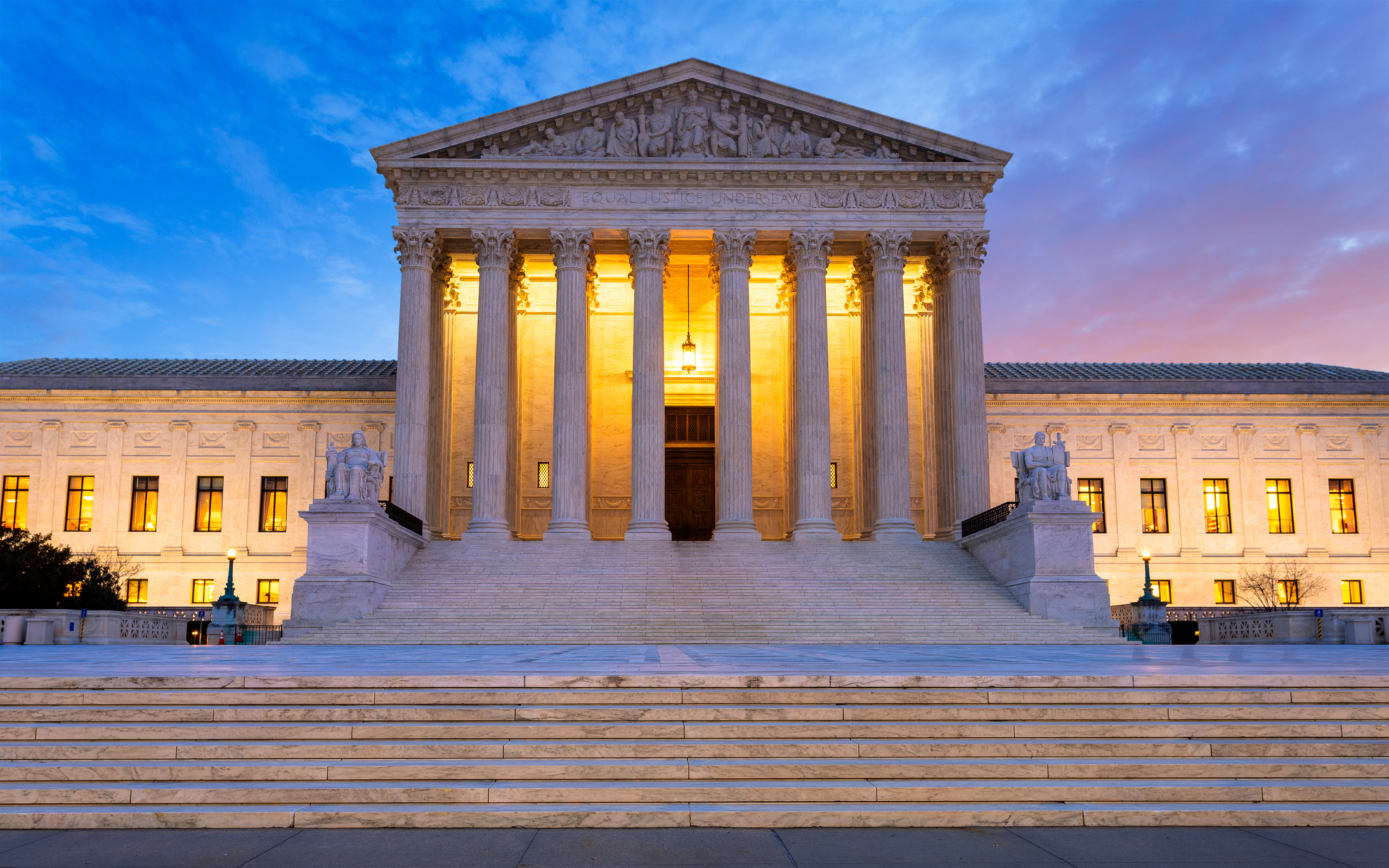
There's a specific kind of absurdity that only the American legal system can produce. A man hacks into three U.S. government networks — including the Supreme Court's filing system — using stolen credentials, posts victims' personal data on Instagram under the handle @ihackedthegovernment, and then stands before a judge and says, according to Ars Technica's coverage, "I made a mistake."
He got probation.
Let that land for a second.
The Handle Was the Tell
There's a version of this story where the hacker is some ghost — a careful, patient operator who covered every track and got caught only through years of painstaking forensic work. That's not this story. Nicholas Moore named his Instagram account after what he was doing. He posted the receipts publicly. The operational security here wasn't bad; it was nonexistent. And yet the networks he targeted — federal government networks, including one belonging to the highest court in the country — were apparently accessible enough that stolen credentials were all it took.
That's the detail worth sitting with. Not the sentencing. The entry point.
When a guy with a braggadocious Instagram handle can walk into three government networks with someone else's login, the conversation about punishment is almost beside the point. You've already lost. The sentencing is just the press release.
Competence, Unpunished
Both TechCrunch and Ars Technica covered this as a sentencing story — which makes sense, because that's what happened this week. But the sentencing is the least interesting part. Probation for federal network intrusion is the outcome; the implication is the story.
What does it signal when the demonstrated consequence for breaching the Supreme Court's systems is a courtroom apology and no prison time? It signals, to anyone paying attention, that the calculus is survivable. Not just legally — reputationally. Moore didn't slink away. He had a handle. He had an audience. He posted the data like it was content.
There's a generation of people online who've watched this dynamic play out enough times to know how it tends to resolve. You do something audacious, you get caught, you express remorse in the right room, and you walk. The government, meanwhile, issues a statement about the importance of cybersecurity and quietly updates some passwords.
The theater is the point. The breach happened. The data was exposed. Real people's personal information ended up on Instagram. And the entity responsible for protecting that data — the government — gets to play victim and arbiter simultaneously, which is a neat trick if you can manage it.
I'm not arguing Moore deserved a harsher sentence. I'm arguing that the sentence is almost irrelevant to what this story actually reveals: that the systems were porous enough to be cracked with borrowed credentials, that the perpetrator was confident enough to brand himself around it, and that the aftermath produced more paperwork than consequence.
The government didn't get hacked because Nicholas Moore was exceptional. It got hacked because the door was open. The Instagram account was just him holding it wider so everyone could see.
Keep reading tech.

Hide My Email Has Been Showing Your Email
Apple's privacy flagship has a hole in it. They've known for over a year.

Sony Killed the Disc. Sony Is Also Killing the Store.
Two announcements, one company, and a quiet admission that "ownership" was always their word to define.
Apple Went to the Highest Court It Could Find. That Tells You Everything.
When a contempt ruling sends you to the Supreme Court, you're not defending a policy anymore — you're defending a worldview.
From the other desks.

800 Horsepower, One Ton of Doubt
Lamborghini built the most powerful SUV it's ever made. It's also slower than what it replaced.

Gold Leaf on a Lacquer Dial, and the Weight of What That Costs
Awake's Frosted Leaf Royal Blue asks a question Vietnamese craft has never quite had to answer at this price.

ESPN Named Him. Then Unnamed Him. Nobody's Explaining the Gap.
A retraction without a reckoning is just a deleted link.