The Hinge Is the Whole Story
Apple isn't late on the foldable because of the screen — it's late because of a piece of metal nobody will ever see.
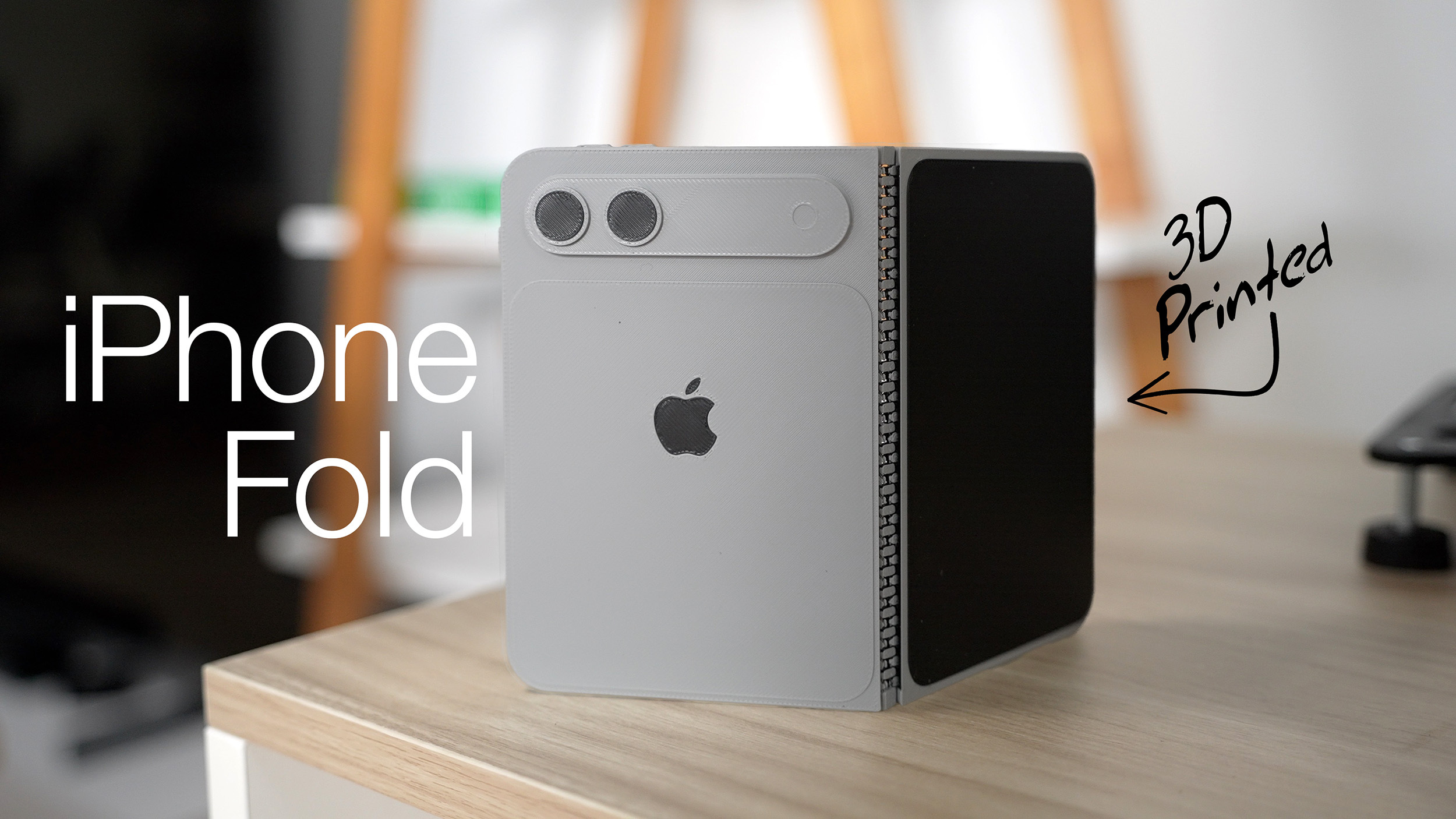
Apple isn't stuck on the foldable iPhone because the display folded wrong or the battery wouldn't fit. It's stuck on the hinge. The material. The cost. The negotiation over a component most people will never touch and never think about.
That's not a delay. That's a philosophy.
Every other manufacturer shipped a foldable when the screen worked well enough. Apple is apparently holding the line on a hinge — something structural, invisible, mechanical — because that's the part that will fail first if it's wrong. That's the part you'll feel ten thousand times. That's the part that defines whether the thing feels like a product or a prototype.
The Part Nobody Asked About
Liquid metal is in the conversation, which means Apple is reaching for materials it's never used at this scale. That's not a small call. Liquid metal — an amorphous alloy that's harder than titanium and more resistant to deformation — has been sitting in Apple's IP portfolio since 2010. Fourteen years of holding that card. The SIM ejector tool was about the most dramatic deployment they managed. Now, apparently, they're ready to bet a new product category on it.
That tells you something about the scale of the problem. When the answer isn't in the existing supply chain, you don't just call a vendor. You develop the process, qualify the supplier, build the volume, and then decide if the cost pencils out against a price point people will actually pay. That's years of work before a single unit ships.
Samsung has been folding phones since 2019. Google shipped the Pixel Fold. Motorola brought back the Razr. The category exists, the demand exists, and Apple has watched all of it from the sideline. The gap isn't capability — Apple clearly knows how to make this thing. The gap is the standard they're willing to ship it at.
What Five Years of Watching Buys You
Five years of watching the competition is also five years of data. Which hinges loosened. Which creases deepened. Which owners loved the form factor but quietly switched back. Apple didn't have to run those experiments — the market ran them. Every Galaxy Z Fold owner who complained about the gap at the fold, every reviewer who noted the hinge stiffness degrading by year two, every durability test that went sideways — that's all product intelligence Apple absorbed for free.
You can find the wait maddening. A lot of people do. There's a version of the argument where Apple's perfectionism is just cover for risk aversion — where they let others take the arrows and then show up late with a shinier version and charge more for it. That argument isn't wrong, exactly. But it also ignores what you get on the other side of the wait.
The alternative is a $1,800 phone with a crease that gets worse and a hinge that loosens by year two. We've seen that movie. Several times.
Sometime between September and December, Apple will apparently decide the hinge is ready. When they do, it won't be because the market finally pressured them. It'll be because they finally trust the part nobody asked about — and that, more than the screen or the price or the marketing, is what will determine whether this thing is remembered as a product or a footnote.
The hinge is invisible. It's also the whole argument.
Keep reading tech.

Hide My Email Has Been Showing Your Email
Apple's privacy flagship has a hole in it. They've known for over a year.

Sony Killed the Disc. Sony Is Also Killing the Store.
Two announcements, one company, and a quiet admission that "ownership" was always their word to define.
Apple Went to the Highest Court It Could Find. That Tells You Everything.
When a contempt ruling sends you to the Supreme Court, you're not defending a policy anymore — you're defending a worldview.
From the other desks.

800 Horsepower, One Ton of Doubt
Lamborghini built the most powerful SUV it's ever made. It's also slower than what it replaced.

Gold Leaf on a Lacquer Dial, and the Weight of What That Costs
Awake's Frosted Leaf Royal Blue asks a question Vietnamese craft has never quite had to answer at this price.

ESPN Named Him. Then Unnamed Him. Nobody's Explaining the Gap.
A retraction without a reckoning is just a deleted link.