The Town Said No
A viral speech in Ohio just bought twelve months of breathing room. The bill for our AI habit was always going to land somewhere.
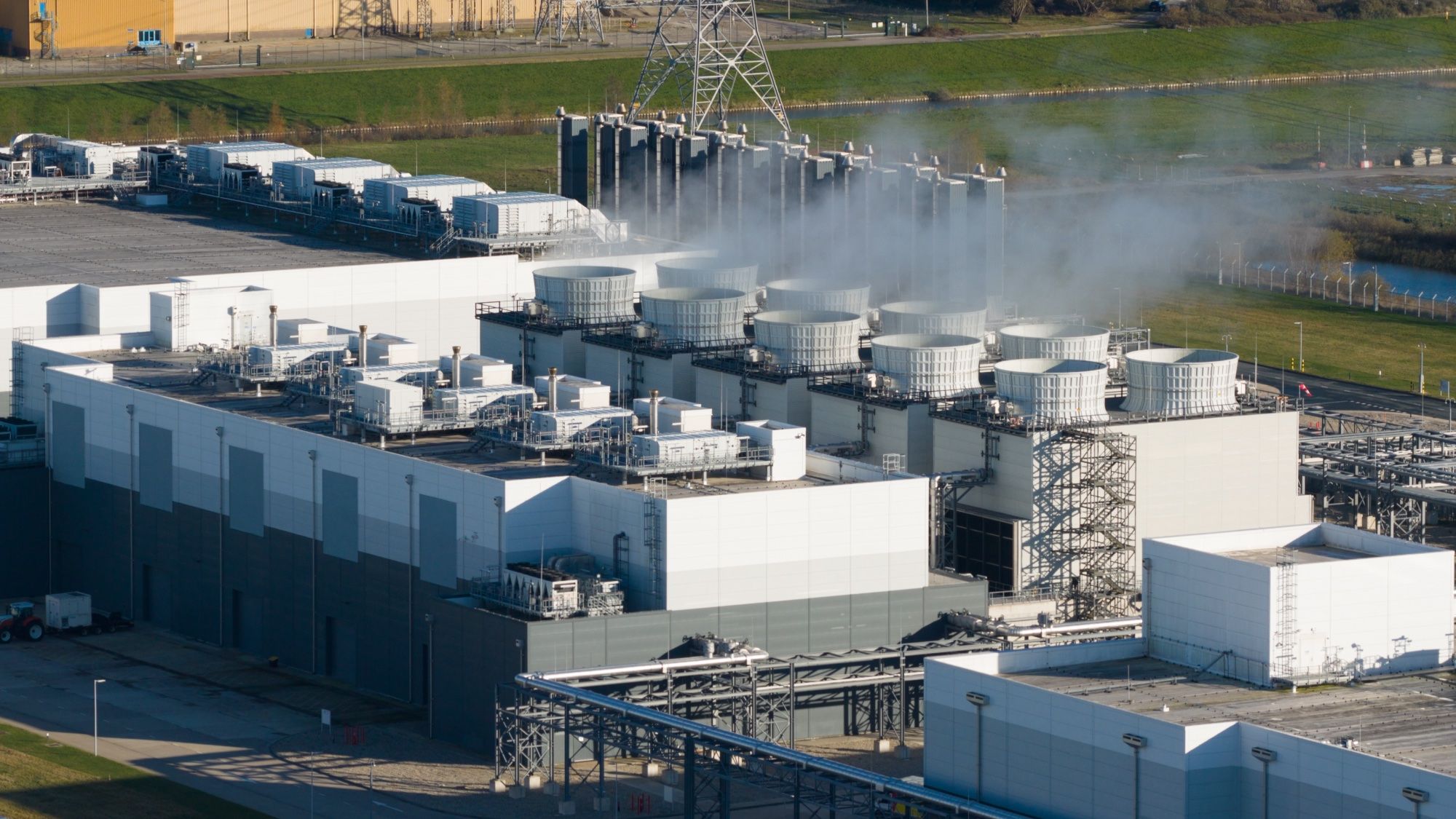
Photo · Latest from Tom's Guide
Someone Did the Math
A writer at Tom's Guide has covered something worth sitting with: a man in Ohio gave a speech about what AI infrastructure actually costs a place — water, power, the ground beneath your feet — and his town listened. A 12-month pause on data centers followed. The speech went viral. That last part is the interesting detail.
Because we've had the abstract version of this conversation for years. The think pieces about energy consumption, the footnotes about cooling systems, the occasional op-ed that gets shared once and forgotten. What apparently cuts through is a guy standing up in a room and saying, in plain language, that reservoirs are being drained so a chatbot can write a poem. That's not a policy argument. That's a sentence you repeat at dinner.
The Tom's Guide piece frames this around the "AI bubble" — a term that's been floating around long enough to feel like background noise. But what's different here isn't the framing. It's the location. It's Ohio. It's a specific town. It's a pause that actually happened, voted on by actual people who live there, not a panel discussion at a conference where everyone already agrees.
That matters. A lot.
The Infrastructure Is Already There
Here's what the piece reveals that the broader discourse tends to skim past: this isn't a warning about where AI is headed. The data centers are being built now. The water is being used now. The towns hosting this infrastructure didn't necessarily sign up for it the way you sign up for a new employer coming to town — with jobs promised and ribbon cuttings and a certain amount of civic pride. Some of them are finding out what they agreed to after the fact.
The writer at Tom's Guide notes the man who gave the speech had a specific, personal entry point into this: he'd worked in a field that AI had disrupted. That's not incidental. It means he wasn't approaching this as a distant environmental concern. He was already inside the story before he found the water angle. That combination — personal economic injury plus local environmental cost — is what makes the speech something other than a protest sign. It's a reckoning.
I keep coming back to the framing of "hidden cost." Because the cost isn't hidden to the people paying it. It's hidden to the people who aren't. Every ChatGPT query, every AI-generated image, every summarized email — the energy and water toll of those interactions is real, it's measurable, and it's being absorbed by communities that have no particular stake in whether your meeting notes get auto-formatted.
The tech industry has a long history of externalizing its costs onto places that don't make the headlines. This time, one of those places made the headlines.
A 12-month pause is not a solution. It's a question. And the fact that a single speech could produce it suggests the question hasn't been asked loudly enough, or in the right rooms, until now.
The bubble talk will keep going. But somewhere in Ohio, they bought themselves a year to figure out what they actually want — and that might be the most honest response to the AI moment anyone has managed so far.
Keep reading tech.

Hide My Email Has Been Showing Your Email
Apple's privacy flagship has a hole in it. They've known for over a year.

Sony Killed the Disc. Sony Is Also Killing the Store.
Two announcements, one company, and a quiet admission that "ownership" was always their word to define.
Apple Went to the Highest Court It Could Find. That Tells You Everything.
When a contempt ruling sends you to the Supreme Court, you're not defending a policy anymore — you're defending a worldview.
From the other desks.

800 Horsepower, One Ton of Doubt
Lamborghini built the most powerful SUV it's ever made. It's also slower than what it replaced.

Gold Leaf on a Lacquer Dial, and the Weight of What That Costs
Awake's Frosted Leaf Royal Blue asks a question Vietnamese craft has never quite had to answer at this price.

ESPN Named Him. Then Unnamed Him. Nobody's Explaining the Gap.
A retraction without a reckoning is just a deleted link.