Tim Cook Said 'Unsustainable.' Read That Word Carefully.
Apple is passing memory costs to you, and the upgrade cycle that built its empire may be the thing that breaks.

Photo · The Verge
There's a word Tim Cook used in his Wall Street Journal interview that deserves more attention than it's getting. Not "unavoidable" — that one's doing obvious PR work. The word is "unsustainable." That's a CEO telling you the math stopped working.
Apple, according to reporting across The Verge, TechCrunch, and MacRumors, is raising prices because the cost of memory has become too large to absorb internally. Cook confirmed it directly: the company has been trying to shield customers, but can no longer do so. iPhone 18 Pro and Pro Max are expected to cost more than their predecessors. iPads and Macs are in the crosshairs too. The Mac mini already moved — the $599 entry point is gone, replaced by an $799 floor, achieved by simply eliminating the cheaper option rather than raising a sticker. The 512GB Mac Studio configuration disappeared in March. This isn't a rumor cycle. This is already happening.
The AI Tax, Arriving on Schedule
TechCrunch frames this as AI hurting Apple in more than one direction, and that framing is worth sitting with. The memory crunch isn't random. It's structural — the same high-bandwidth, high-capacity RAM that AI inference demands at scale is the same memory that goes into every Mac and iPhone. Apple built its on-device AI pitch on the premise that the chip handles everything locally, no cloud required. That pitch has a hardware cost, and right now that cost is being passed to the person who just wants to check email and take photos.
The irony is almost too clean. The AI arms race was supposed to make devices smarter. What it's actually doing, at the consumer level, is making them more expensive. The intelligence is real. So is the invoice.
What the Upgrade Cycle Can Absorb
Here's what I keep returning to: Apple's entire business model downstream — the services attach, the accessory pull-through, the loyalty — runs on a reasonably healthy upgrade cycle. People trade up every two or three years because the delta feels worth it. Once prices climb past a psychological threshold, the math changes. Not for everyone, but for enough people that it registers.
Cook's language suggests Apple tried to hold the line longer than it wanted to. "Shielding customers" isn't spin — it's a company making a real tradeoff, eating margin until it couldn't. The fact that they're saying it publicly now means they've run out of room. That's the actual news under the news.
The move on the Mac mini is instructive. You don't raise a price — you eliminate the low option and let the floor rise naturally. It's cleaner optics, same outcome. Expect to see that pattern repeated.
At some point, "unsustainable" stops being a supply chain problem and starts being a loyalty problem. Apple knows that. Cook knows that. The interview exists precisely because they want you to understand this isn't greed — it's arithmetic. Whether you believe that probably depends on how many Apple products you already own.
Keep reading tech.

Brazil Got a Door. Apple Still Built the Frame.
Alternative app marketplaces are now open in Brazil — Apple just makes sure it approves who walks through.

Speaking at City Hall Cost These Three Engineers a Meeting With HR
Amazon's investigation of its own employees for public testimony isn't a scandal. It's a policy.

3,871 Cars, 13 Wrong Turns, One Very Loud Spreadsheet
Waymo's construction zone recall isn't a safety story. It's a math problem the industry has been avoiding.
From the other desks.
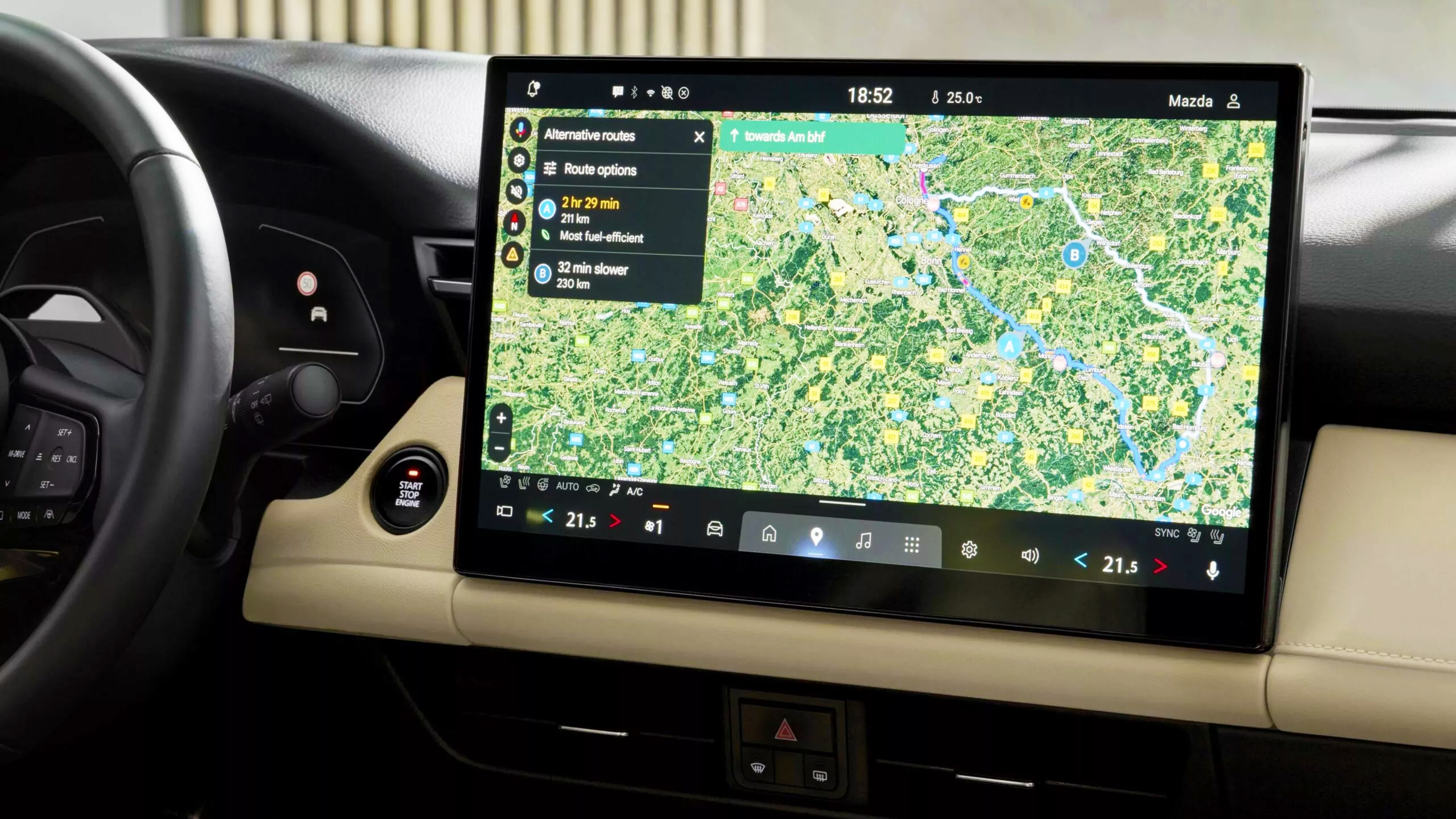
Mazda Changed Its Mind. Now Watch What Happens to the Brand.
The company that built its identity on hating touchscreens just put one in the CX-5 — and its reasoning is better than you'd expect, which makes the whole thing harder to sit with.
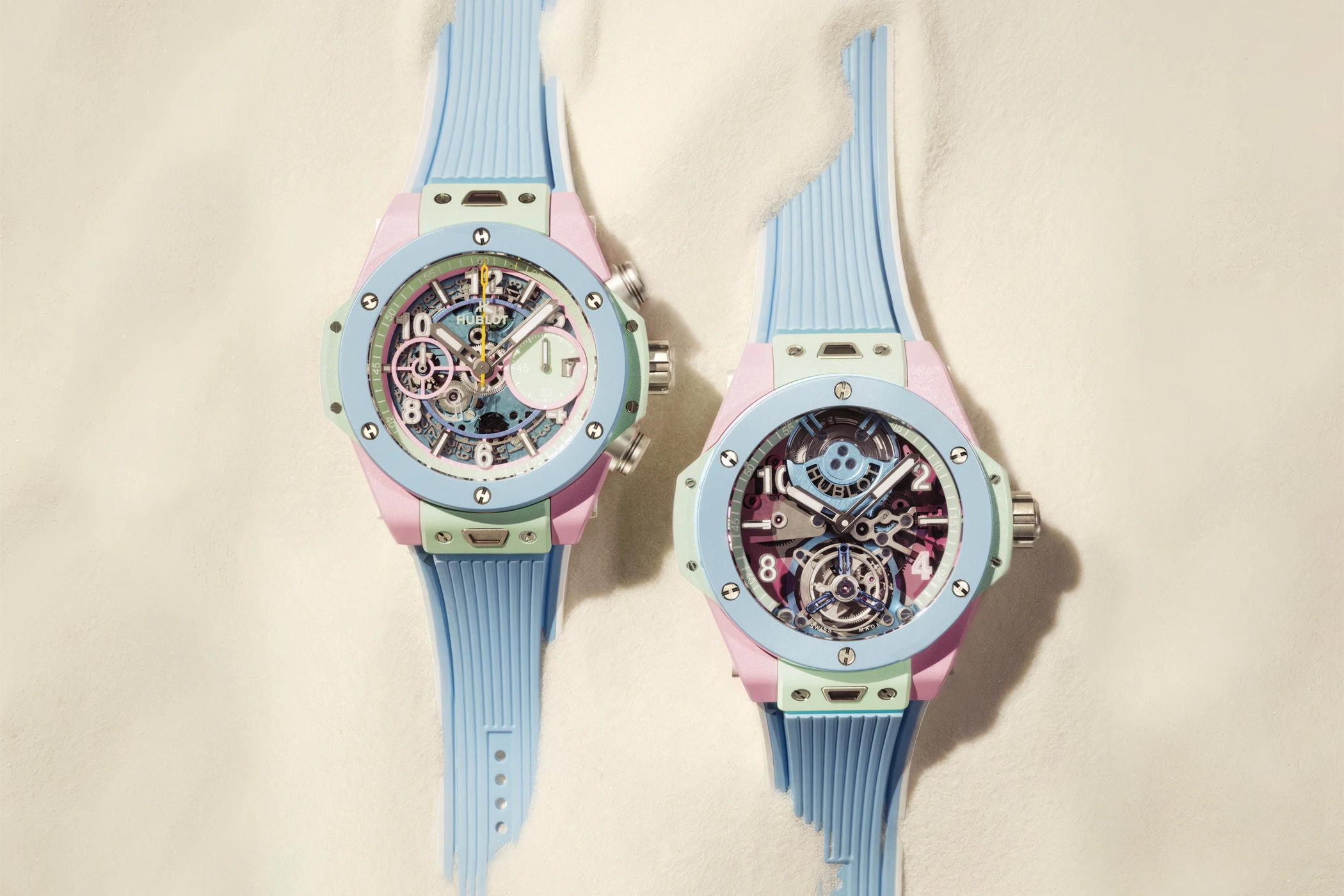
Hublot Chose Hard Colors on Purpose
Pastel ceramic isn't soft. Making it is the opposite of soft.

Pedigree Was Always a Distraction
The 2026 World Cup didn't just outperform expectations — it exposed how wrong the expectations were in the first place.