3,871 Cars, 13 Wrong Turns, One Very Loud Spreadsheet
Waymo's construction zone recall isn't a safety story. It's a math problem the industry has been avoiding.

Photo · TechCrunch
Here's the thing about edge cases: they're only called that until they happen enough times to get a name.
Waymo has recalled 3,871 robotaxis after identifying at least 13 instances where its vehicles drove into highway sections closed for construction. Thirteen. That's not a rounding error or a statistical ghost — that's a pattern with a body count waiting to happen. The recall covers a software issue that could send an autonomous vehicle into a closed freeway construction zone at speed. Not slowly, tentatively, the way a confused human driver might creep through an orange cone maze. At speed.
All three major outlets that covered this — TechCrunch, WIRED, and Engadget — reported the same facts with roughly the same gravity. What none of them said out loud is the thing worth sitting with: we have now reached the era where "the car didn't recognize the construction zone" is a sentence that triggers a federal-scale recall of nearly four thousand vehicles.
The Gap Between Demo and December
The promise of autonomous driving has always been sold on the edge case. Human drivers are unpredictable, emotional, distracted. A machine, the argument goes, will handle the weird stuff better — the sudden merge, the blown tire, the unexpected obstacle. That argument held up fine when the weird stuff was theoretical.
Construction zones are not theoretical. They are one of the most common and consistently signposted disruptions on American highways. Flashing arrows. Reduced speed signs. Cones arranged with enough redundancy that a sleep-deprived commuter can navigate them on autopilot. And yet, according to WIRED's coverage, Waymo's system in some cases prioritized other detected hazards or failed to recognize that a section of freeway was closed at all.
That's not a fringe failure. That's the system getting confused by exactly the kind of messy, real-world ambiguity it was supposed to be better at than us.
What a Recall Actually Means Now
In the old world, a recall meant floor mats or faulty ignition switches — physical things that could be inspected, replaced, torqued to spec. A software recall is stranger. Waymo can push a fix over the air. The cars don't go to a shop. Nobody touches anything with a wrench. The problem disappears the way it arrived — invisibly, algorithmically, with a version number.
That's genuinely impressive. It's also a little unsettling, because the same frictionlessness that makes the fix easy makes the original failure easy to minimize. Thirteen incidents become a data point. A data point becomes a patch note. A patch note becomes yesterday's news.
But the National Highway Traffic Safety Administration doesn't do patch notes. It does recalls. And the fact that Waymo's software issue met the threshold for a formal federal recall — the kind of action usually reserved for mechanical defects that put lives at immediate risk — suggests the regulatory apparatus is watching this industry with a seriousness that the industry's own PR hasn't fully absorbed yet.
The credibility of autonomous driving has always rested on a simple bet: that the system's error rate would be dramatically lower than a human's, and that when errors happened, they'd be the boring kind. A wrong turn. A missed exit. Not a car accelerating into a construction zone at highway speed because it didn't register that the freeway ahead was closed.
Thirteen instances is not the end of Waymo. The company has logged millions of miles, operates across multiple cities, and has a genuine record of cautious iteration that most competitors don't. A software fix is a software fix.
But the spreadsheet of real-world chaos keeps growing, and every new row costs a little more trust than the last one did.
Keep reading tech.

Brazil Got a Door. Apple Still Built the Frame.
Alternative app marketplaces are now open in Brazil — Apple just makes sure it approves who walks through.

Speaking at City Hall Cost These Three Engineers a Meeting With HR
Amazon's investigation of its own employees for public testimony isn't a scandal. It's a policy.

Tim Cook Said 'Unsustainable.' Read That Word Carefully.
Apple is passing memory costs to you, and the upgrade cycle that built its empire may be the thing that breaks.
From the other desks.
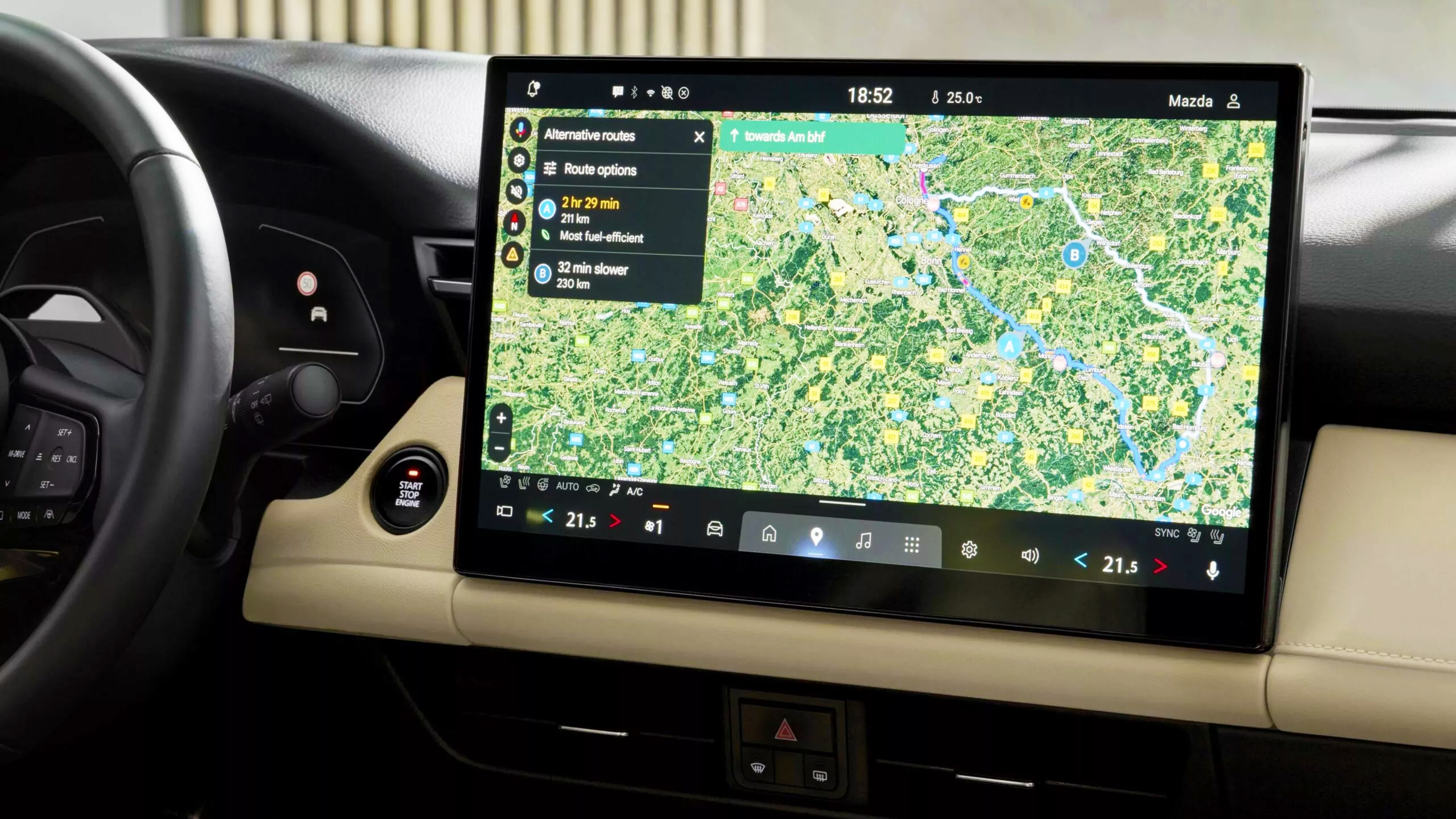
Mazda Changed Its Mind. Now Watch What Happens to the Brand.
The company that built its identity on hating touchscreens just put one in the CX-5 — and its reasoning is better than you'd expect, which makes the whole thing harder to sit with.
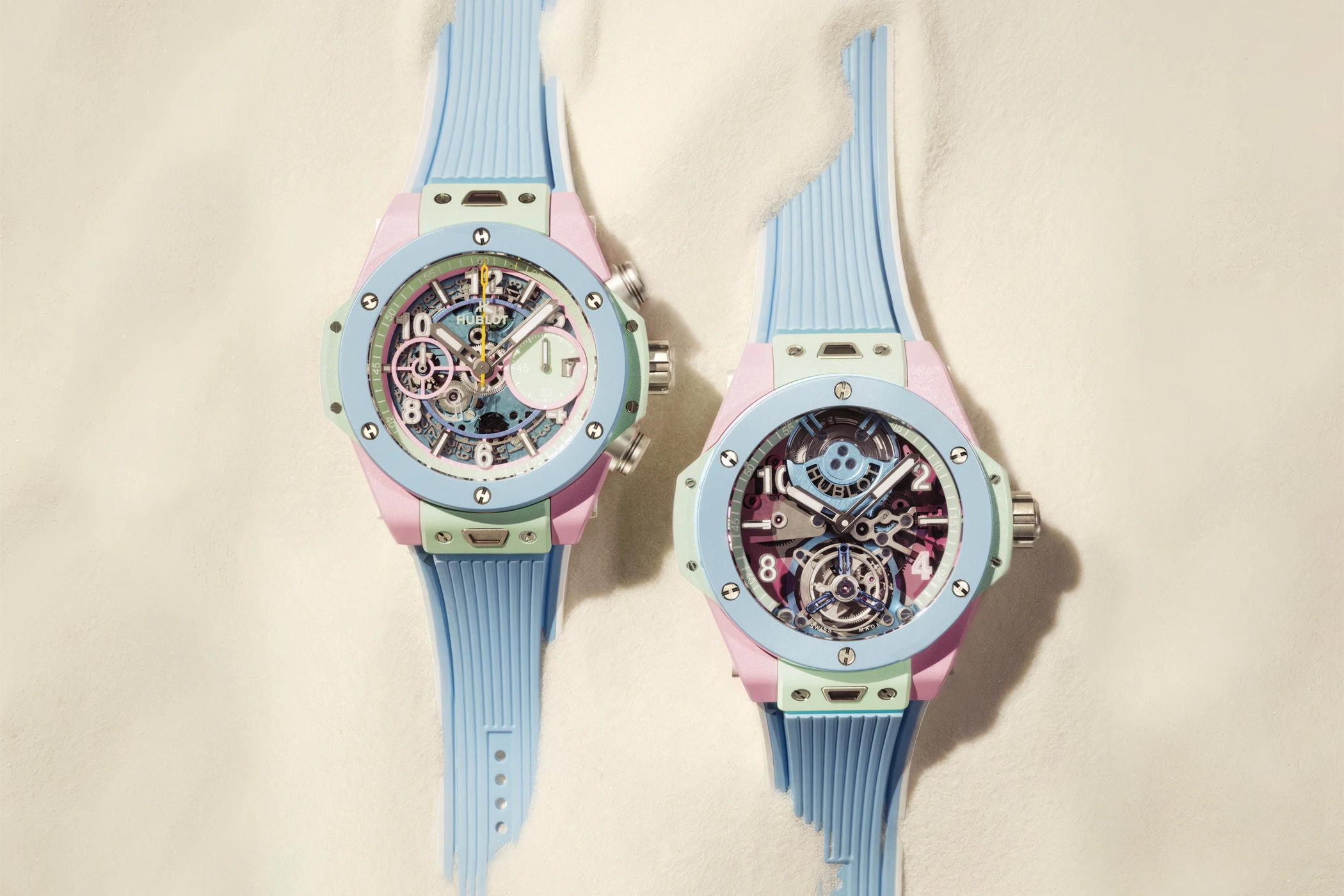
Hublot Chose Hard Colors on Purpose
Pastel ceramic isn't soft. Making it is the opposite of soft.

Pedigree Was Always a Distraction
The 2026 World Cup didn't just outperform expectations — it exposed how wrong the expectations were in the first place.