233 mph at the Brickyard, and It's Wearing a Bowtie
The Corvette ZR1X doesn't just pace the Indy 500 field — it matches it.
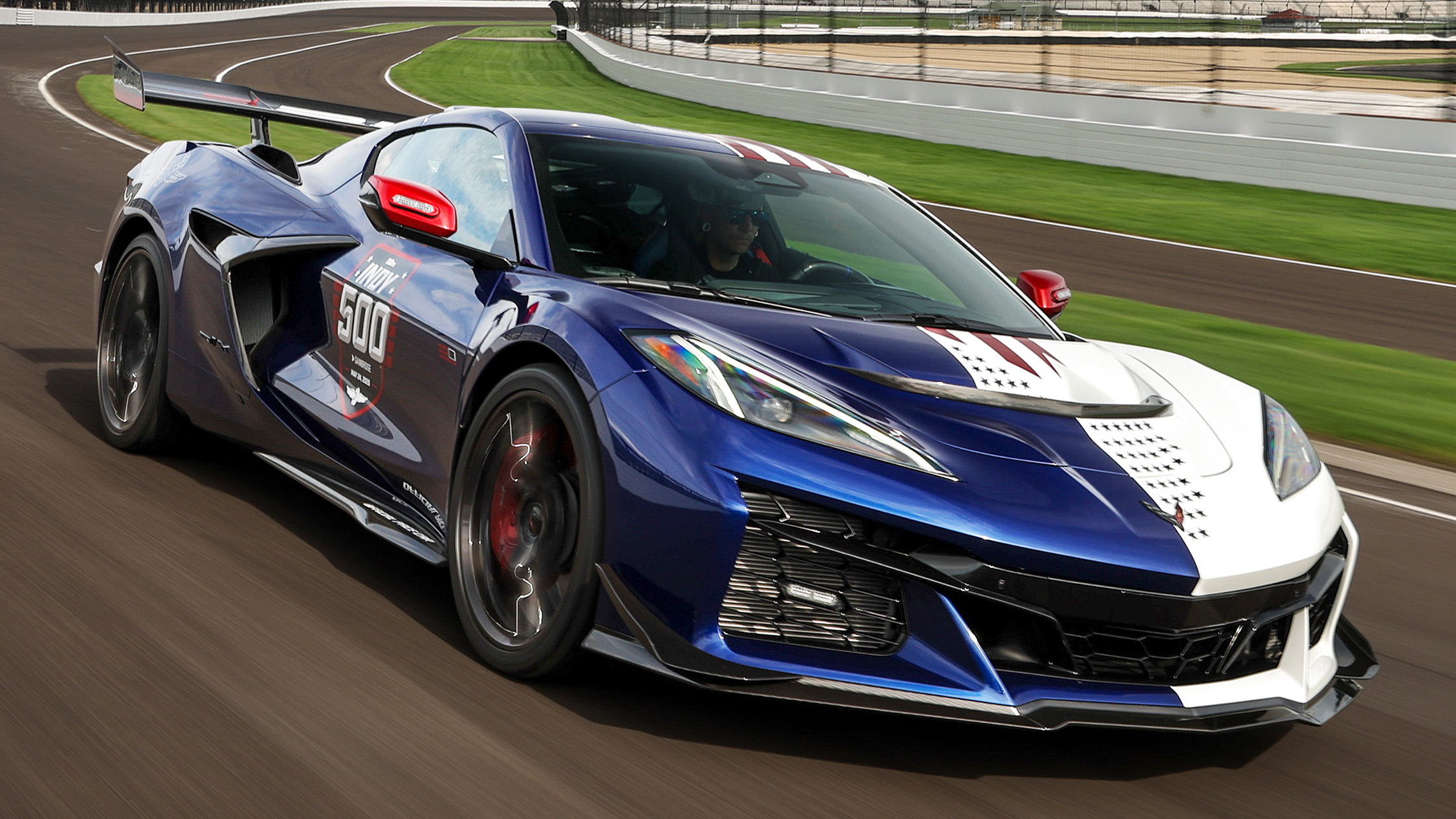
Photo · Carscoops
There's a hierarchy at Indianapolis Motor Speedway, and for most of its history, the pace car knew its place. It led the field, pulled aside, and let the real machines go to work. The car up front was a prop. A handshake between a manufacturer and a legacy. Everyone understood the arrangement.
Not this year.
The Number That Changes the Conversation
The 2026 Chevrolet Corvette ZR1X will pace the 110th Indianapolis 500 on May 24, leading 33 drivers down to the green flag. According to coverage from Carscoops, the ZR1X is rated to 233 mph — which is roughly what the IndyCar field will run during qualifying at the same track. That's not a fun fact. That's a redefinition of the role.
A pace car that can match the field it's pacing isn't a pace car in any traditional sense. It's a provocation. Chevy didn't send a daily driver wearing racing livery. They sent a twin-turbocharged hypercar to the front of one of the oldest races on earth and said: keep up.
Hagerty's coverage framed it cleanly — before the green flag drops, the entire field eats the ZR1X's dust. That sentence would have read as absurd ten years ago. It doesn't read that way now.
What Bowling Green Built
There's a version of this story that's just a press release — manufacturer partners with iconic race, limited-edition pace car, everyone shakes hands, cameras roll. That story is boring and mostly true.
But the more interesting version is about what the ZR1X's presence at Indianapolis actually represents. American performance machinery has spent decades being measured against European benchmarks, Italian benchmarks, German benchmarks. The conversation around serious performance cars — the ones that get written about in the same breath as track times and aerodynamic philosophy — has rarely centered on Bowling Green, Kentucky.
The ZR1X arriving at Indy with a top speed that mirrors the single-seaters it's leading doesn't just move the conversation. It ends part of it.
And Chevy isn't alone in making that point this month. Cadillac unveiled the CT5-V Blackwing F1 Collector Series during Miami Grand Prix week — a 685-horsepower sedan limited to 26 units, built in collaboration with Formula 1 itself, according to Motorsport.com. The number 26 is a nod to the year Cadillac made its F1 debut. That's two American performance cars, one at Indianapolis and one embedded in the world's most commercially ascendant racing series, both making the same quiet argument in the same week.
The argument isn't loud. It doesn't need to be.
The Pace Car Used to Be a Metaphor
For most of racing's history, the pace car was aspirational in a civilian sense — here's something fast enough to feel exciting, approachable enough to sell. The gap between it and the cars it led was understood. It was the point.
Now the gap has closed to the point of irrelevance. A machine built in the United States, carrying a badge that's been at Indianapolis many times before, rolls to the front of the field and the question isn't whether it belongs there. The question is whether the drivers behind it can catch it if they needed to.
They probably could. But the fact that it's worth asking at all — that's the confession Chevy just made about where American performance has arrived.
The green flag drops. The ZR1X pulls over. Thirty-three cars go past.
For once, the car that moves aside doesn't have to.
Keep reading cars.

800 Horsepower, One Ton of Doubt
Lamborghini built the most powerful SUV it's ever made. It's also slower than what it replaced.

£11,990 Draws a Line Under Every Excuse You Had Left
Dacia just made the cheapest new car in Britain electric — and that's not a footnote, it's a verdict.

Blanc Éternel Hides Its Speed Behind a Gas Cap
Bugatti built a 261-mph roadster and made sure you'd notice the porcelain first.
From the other desks.

Gold Leaf on a Lacquer Dial, and the Weight of What That Costs
Awake's Frosted Leaf Royal Blue asks a question Vietnamese craft has never quite had to answer at this price.

ESPN Named Him. Then Unnamed Him. Nobody's Explaining the Gap.
A retraction without a reckoning is just a deleted link.

Hide My Email Has Been Showing Your Email
Apple's privacy flagship has a hole in it. They've known for over a year.