Your $80,000 Car Has a $15 Filter Behind Six Hours of Labor
Somewhere, an engineer signed off on this, and that person should have to explain themselves.
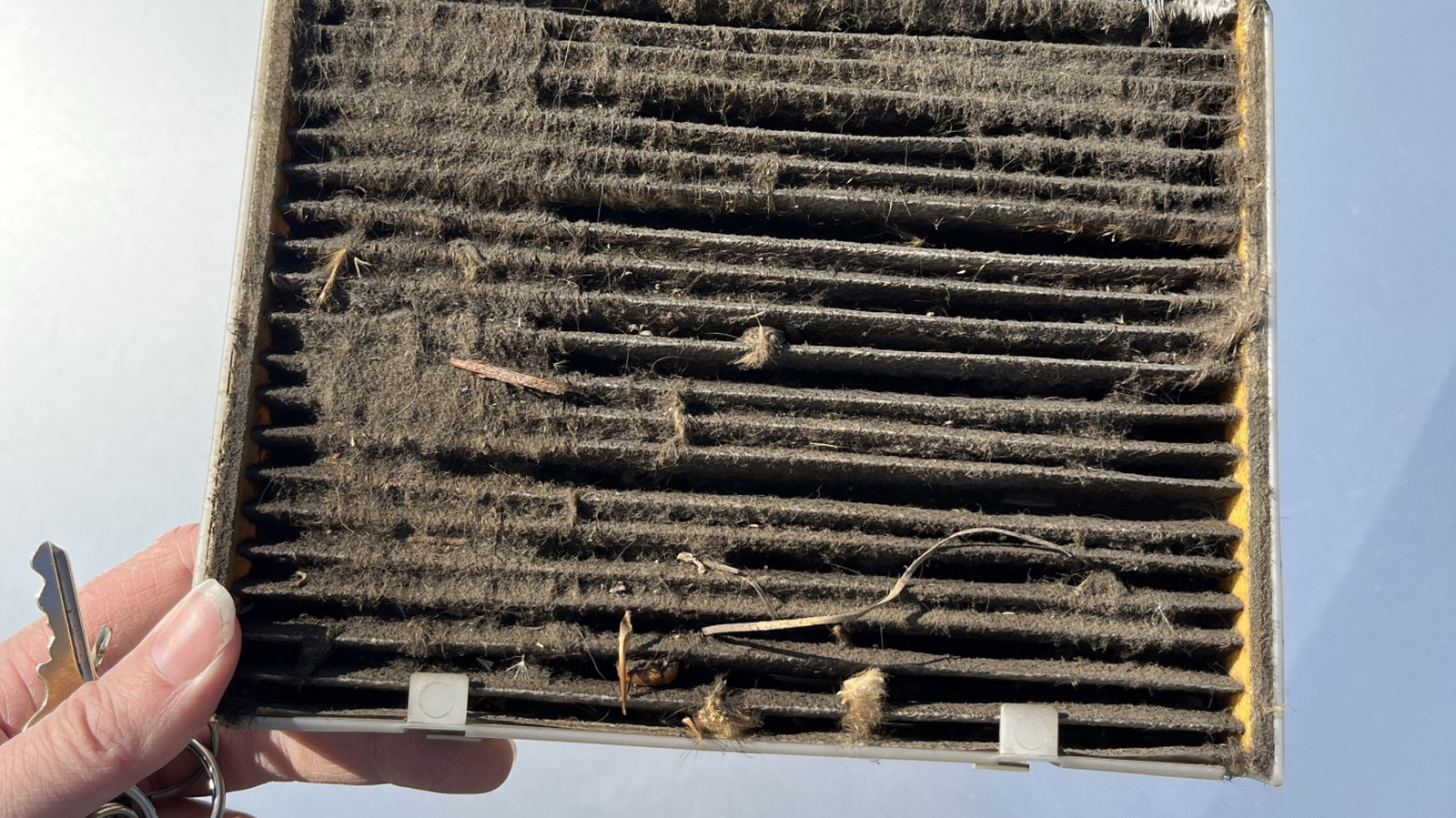
Cabin air filters are a maintenance item. They cost almost nothing. Swapping one should take four minutes and zero tools.
Some do. Pop the glove box, unclip a panel, slide the old one out, slide the new one in. Done before the coffee gets cold.
And then there are the others.
There are cars — real cars, expensive cars, cars with configurators that run twelve pages deep — where replacing a cabin air filter means pulling apart half the dashboard. Clips you'll never find again. Panels that weren't designed to come off twice. A sequence of steps that reads less like a service procedure and more like a hazing ritual written by someone who has never touched a car outside of a CAD file.
This isn't a budget problem. That's the part worth sitting with. The cars with the worst access are often the ones that cost the most. A base Corolla will let you swap the filter in the time it takes to find a parking spot. A six-figure German sedan might require removing the entire glovebox assembly, a side duct, two brackets, and a screw that strips if you look at it wrong. The engineering hours went somewhere. Just not here.
What the Filter Actually Tells You
The filter itself isn't the story. It's what it reveals.
Every car is a set of decisions. Thousands of them, made by people with competing priorities — cost, packaging, crash ratings, NVH, aesthetics, assembly time on the line. Serviceability is one priority among many. And in a lot of cases, it lost.
When a manufacturer buries a consumable part behind a disassembly sequence that takes a trained technician forty-five minutes, they've told you something. They've told you that your time after the sale wasn't part of the equation. That the experience they were optimizing for ends at the dealership.
It's not malice. It's indifference. Which is somehow worse.
And the consequences aren't abstract. A filter that's hard to reach is a filter that doesn't get changed. Studies on cabin air quality consistently show that a clogged filter doesn't just reduce airflow — it becomes a reservoir for mold, bacteria, and particulate matter that you then breathe for 45 minutes each way. The inaccessible filter isn't just an inconvenience. It's a health outcome dressed up as a packaging decision.
The Dealership Math
There's also a business model hiding inside this problem.
If the filter is easy to swap, owners do it themselves. If it's buried, they pay. A cabin air filter service at a franchised dealership runs anywhere from $60 to $150 depending on the brand. On a car that costs $80,000, that's not a hardship. But multiply it across a service interval, across a fleet of customers who've quietly given up on DIY, and you start to see the shape of the incentive.
Maybe it's not designed to be hard. Maybe it just ended up that way because no one fought to make it easy. But the effect is identical either way.
The brands that get this right — and some do — treat serviceability as part of the product. The filter access isn't an afterthought. It's a small signal that someone, somewhere in the development process, thought about what it's like to own this thing for ten years, not just to drive it for ten minutes.
That signal is worth paying attention to when you're choosing what to buy.
Buy the car for the drive. Just know what you're signing up for when the service light comes on.
Keep reading cars.

800 Horsepower, One Ton of Doubt
Lamborghini built the most powerful SUV it's ever made. It's also slower than what it replaced.

£11,990 Draws a Line Under Every Excuse You Had Left
Dacia just made the cheapest new car in Britain electric — and that's not a footnote, it's a verdict.

Blanc Éternel Hides Its Speed Behind a Gas Cap
Bugatti built a 261-mph roadster and made sure you'd notice the porcelain first.
From the other desks.

Gold Leaf on a Lacquer Dial, and the Weight of What That Costs
Awake's Frosted Leaf Royal Blue asks a question Vietnamese craft has never quite had to answer at this price.

ESPN Named Him. Then Unnamed Him. Nobody's Explaining the Gap.
A retraction without a reckoning is just a deleted link.

Hide My Email Has Been Showing Your Email
Apple's privacy flagship has a hole in it. They've known for over a year.