Cadillac Went Racing and Came Home With a Stick Shift
The CT5-V Blackwing F1 Collector Series isn't a badge job — it's a bet that American performance finally has something to prove.
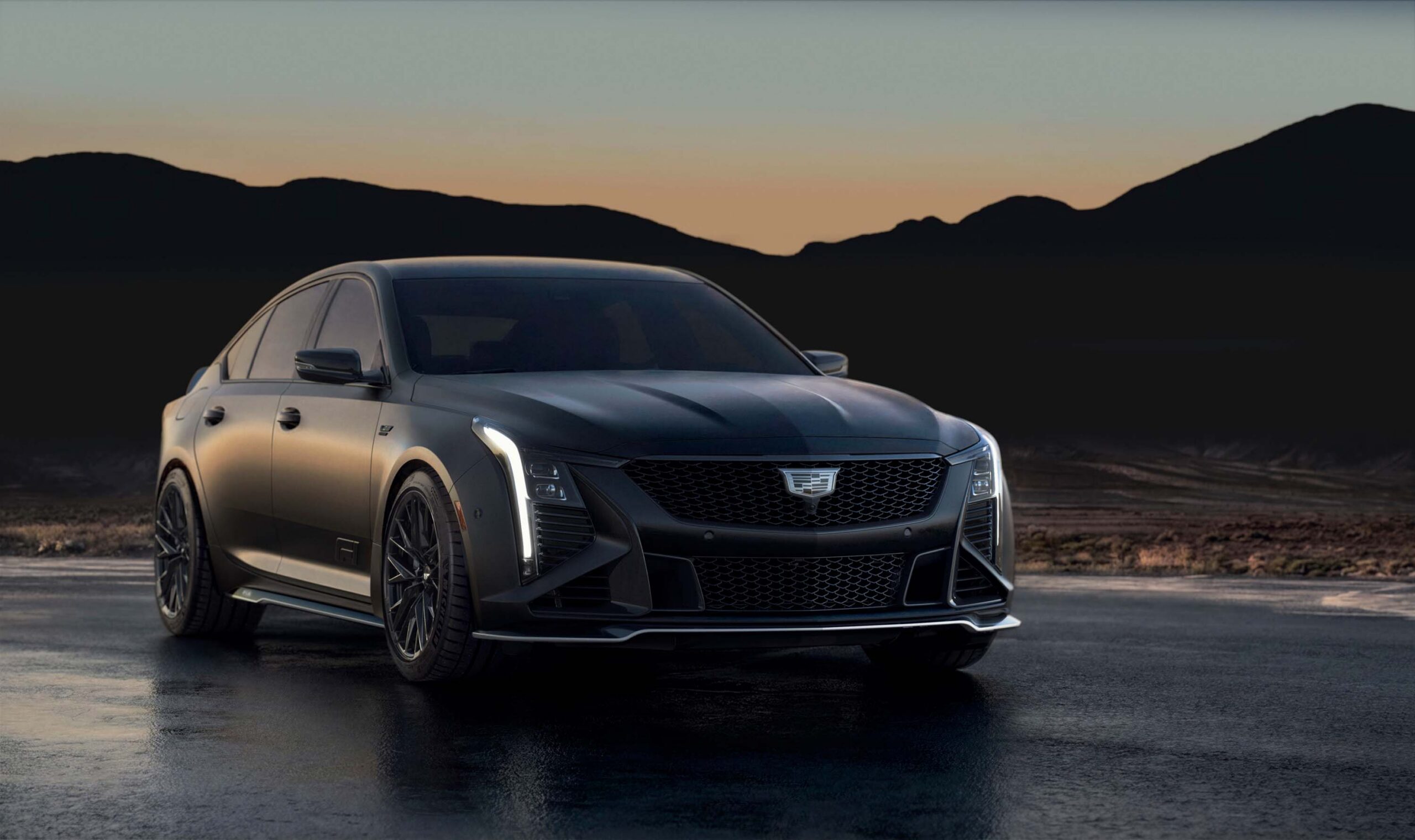
Photo · Hagerty Media
There's a version of this story where Cadillac slaps an F1 logo on a sedan, prints five hundred units, and calls it a marketing campaign. That version is cynical, probably correct half the time, and would have been the safe read here.
This isn't that.
The 2026 CT5-V Blackwing F1 Collector Series — built to mark Cadillac's inaugural season in Formula 1 — comes only with a six-speed manual transmission. No paddle-shift option. No automatic for the people who want the badge without the commitment. You want this car, you learn to drive it. That's not a quirk. That's a position.
What the MAC-26 Brought Back
The car draws its visual identity from the MAC-26 racecar, Cadillac's F1 machine, and wears a matching livery that Motor1 described as stealthy — the kind of restraint that reads as confidence rather than camouflage. This isn't a car screaming for attention at a stoplight. It knows what it is.
And what it is, according to Motor1's coverage, is the most powerful Blackwing model yet. That's a meaningful sentence for anyone who's spent time with the existing CT5-V Blackwing, a car that already had more personality than most American performance sedans have managed in decades. More power here isn't a spec-sheet flex — it's the line Cadillac is drawing between a car built for the road and a car built in the shadow of a racing program that actually has to perform on Sundays.
GM CEO Mary Barra told Motor1 directly that lessons from the F1 program are accelerating innovation across future performance cars. That's a CEO talking, so some translation is required, but the translation isn't hard: the engineers on the pit wall and the engineers building sedans are now in the same conversation. That conversation has a manual gearbox at one end and a Formula 1 car at the other, and the distance between them just got shorter.
The Manual as Manifesto
Here's what I keep coming back to: the manual-only spec is the most revealing decision Cadillac made with this car.
When a brand builds a halo edition and forces a manual, it's filtering its own audience. It's saying the people who get this car should feel something in their left leg when they drive it — should be present, should be engaged, should understand that performance isn't just a number on a dyno sheet but a negotiation between driver and machine. Formula 1 is, at its core, about that negotiation at the absolute limit. A road car with a manual transmission is the closest a civilian gets to that same conversation.
The debut at the Miami Grand Prix wasn't accidental staging. Miami is where Cadillac's F1 program lives in the American imagination — loud, visible, unambiguous about wanting to be taken seriously. Launching this car there, at that race, in that livery, signals something. Not just that Cadillac races now. But that racing has started to change what Cadillac builds.
That's the part worth watching — not the car itself, but whether it's the first of something or just a beautiful one-off. If the F1 program genuinely feeds back into Cadillac's road cars, the MAC-26 won't just be a racecar. It'll be the reason a future Blackwing driver feels something they can't quite explain and doesn't need to.
Keep reading cars.

800 Horsepower, One Ton of Doubt
Lamborghini built the most powerful SUV it's ever made. It's also slower than what it replaced.

£11,990 Draws a Line Under Every Excuse You Had Left
Dacia just made the cheapest new car in Britain electric — and that's not a footnote, it's a verdict.
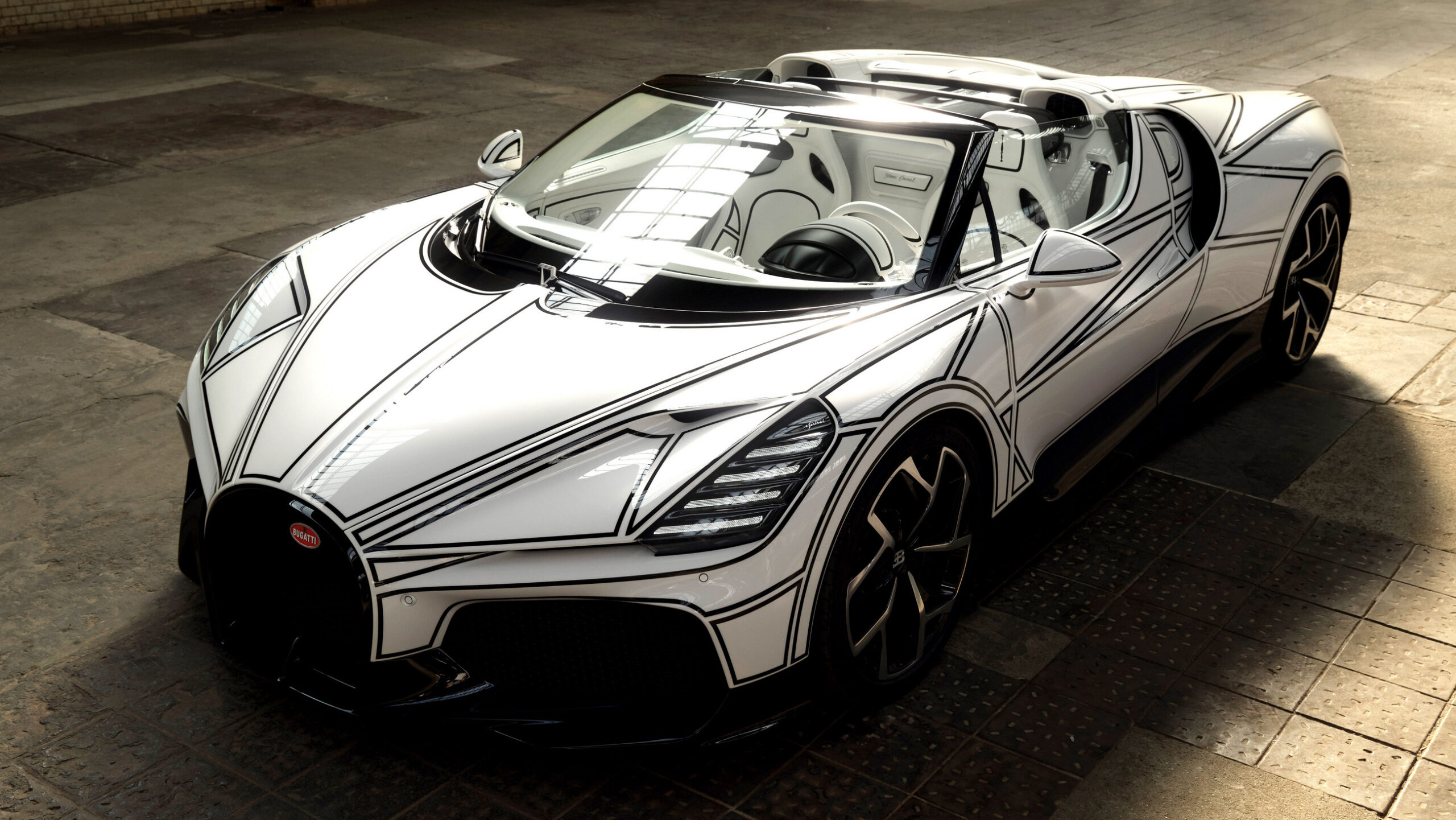
Blanc Éternel Hides Its Speed Behind a Gas Cap
Bugatti built a 261-mph roadster and made sure you'd notice the porcelain first.
From the other desks.

Gold Leaf on a Lacquer Dial, and the Weight of What That Costs
Awake's Frosted Leaf Royal Blue asks a question Vietnamese craft has never quite had to answer at this price.

ESPN Named Him. Then Unnamed Him. Nobody's Explaining the Gap.
A retraction without a reckoning is just a deleted link.

Hide My Email Has Been Showing Your Email
Apple's privacy flagship has a hole in it. They've known for over a year.