Canada Wrote a Lemon Law. Then It Wrote the Bill.
A new Equinox EV, a 16-month repair saga, and a consumer protection law that works perfectly — for whoever can afford to use it.
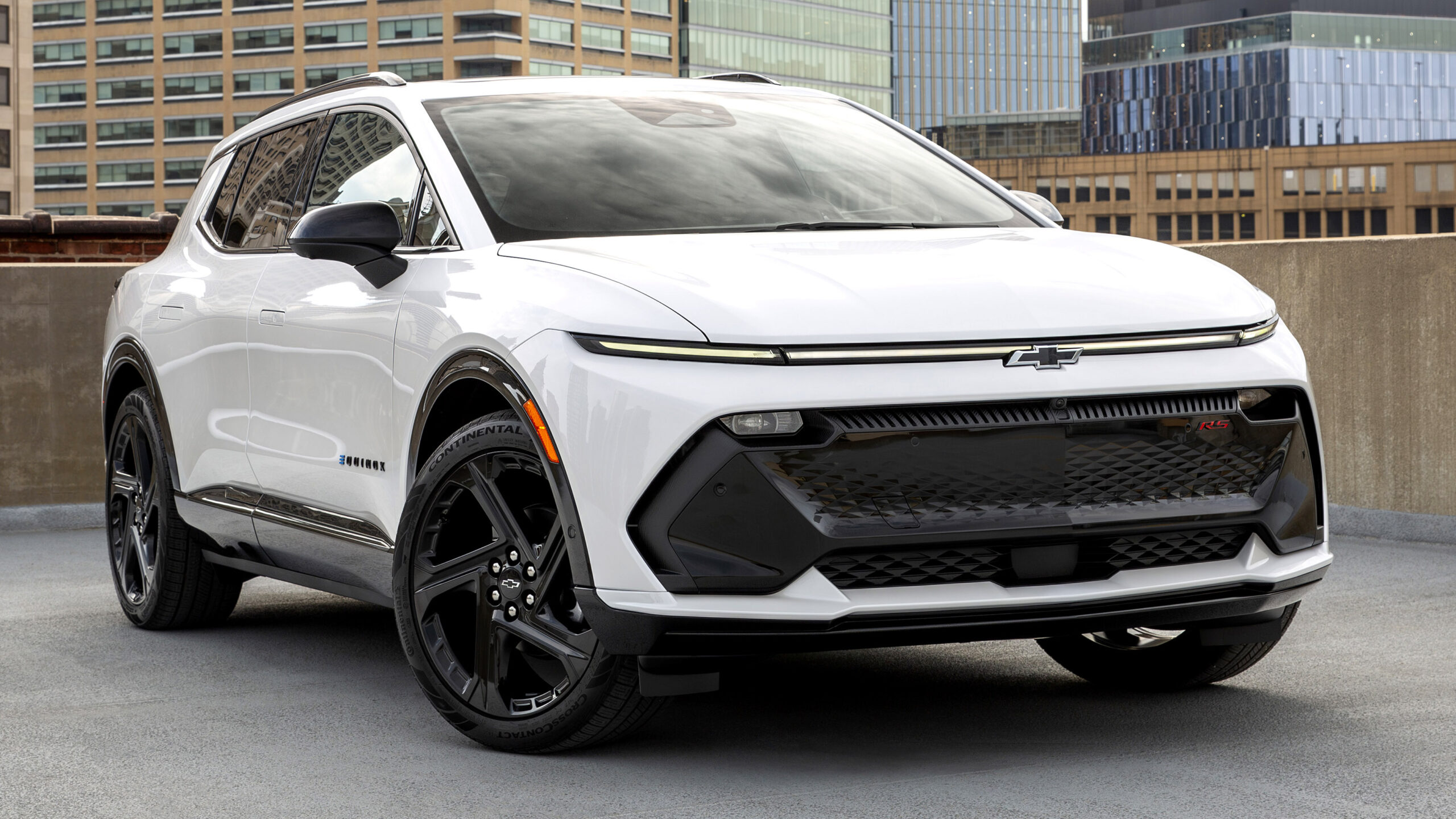
Photo · Carscoops
The Law Exists. So Does the Catch.
Somewhere in the fine print of Canada's first lemon law is the assumption that you have fifty thousand dollars you don't need.
A writer at Carscoops spent sixteen months trying to get a new Equinox EV repaired — or replaced — under legislation that was supposed to make exactly that process straightforward. What they found instead was a law that functions less like a shield and more like a door with a very expensive key. The piece lands as a first-person account of bureaucratic endurance, but the more uncomfortable thing it surfaces isn't the specific saga. It's the architecture underneath.
Consumer protection law that requires five figures in legal fees to enforce is not consumer protection. It's a formality.
What $50,000 Actually Means
Think about who buys a new Equinox EV. Not a collector hedging a portfolio. Not someone with a stable of vehicles parked in a climate-controlled garage. Someone who needed a car, budgeted carefully, probably stretched a little, and trusted that buying new — with a warranty, with legal backing — meant they were covered if something went wrong.
Now tell that person that being covered means retaining a lawyer, sustaining a legal fight, and absorbing costs that could exceed fifty thousand dollars before any resolution. The car itself, in a lot of configurations, costs less than that.
The math doesn't just discourage action. It selects for who gets to act.
This is what the Carscoops piece makes visible, even if the headline frames it as dark humor. The law isn't broken in the way a law that doesn't exist is broken. It passed. It was announced. It presumably satisfied someone's definition of progress. But a right you cannot afford to exercise is a right in name only — and a law that creates that gap while appearing to close it might be more corrosive than no law at all, because it absorbs the pressure that might otherwise demand something better.
The sixteen months matter here. That's not a clerical delay. That's a year and a third of someone's life spent managing a situation that, by the law's own logic, should have had a clear resolution path. The Equinox EV is supposed to represent a forward-looking bet on electrification from a major manufacturer. Instead it became the vehicle — literally — for a case study in how post-sale accountability still has an escape hatch.
The escape hatch is cost.
Who the System Was Built For
No law gets written in a vacuum. There are lobbyists, there are industry consultations, there are compromise positions that get baked in before anyone votes. The fifty-thousand-dollar friction isn't an accident of implementation. It's a feature of the negotiation.
The Carscoops writer doesn't frame it in quite those terms — the piece stays closer to the personal experience, which is its own kind of power. But the implication is there. Canada got a lemon law. Manufacturers got a lemon law that is statistically unlikely to be invoked against them by anyone who can't already afford to lose fifty thousand dollars chasing the fight.
That's not a cynical reading. That's just the math, laid out plainly.
The interesting question now isn't whether the law works. It's whether the people who wrote it knew exactly how well it would work — and for whom.
Keep reading cars.

800 Horsepower, One Ton of Doubt
Lamborghini built the most powerful SUV it's ever made. It's also slower than what it replaced.

£11,990 Draws a Line Under Every Excuse You Had Left
Dacia just made the cheapest new car in Britain electric — and that's not a footnote, it's a verdict.

Blanc Éternel Hides Its Speed Behind a Gas Cap
Bugatti built a 261-mph roadster and made sure you'd notice the porcelain first.
From the other desks.

Gold Leaf on a Lacquer Dial, and the Weight of What That Costs
Awake's Frosted Leaf Royal Blue asks a question Vietnamese craft has never quite had to answer at this price.

ESPN Named Him. Then Unnamed Him. Nobody's Explaining the Gap.
A retraction without a reckoning is just a deleted link.

Hide My Email Has Been Showing Your Email
Apple's privacy flagship has a hole in it. They've known for over a year.