The Car Industry Doesn't Have a Design Problem. It Has a Courage Problem.
Every forgettable car that rolls off a production line was approved by a room full of people who knew better.
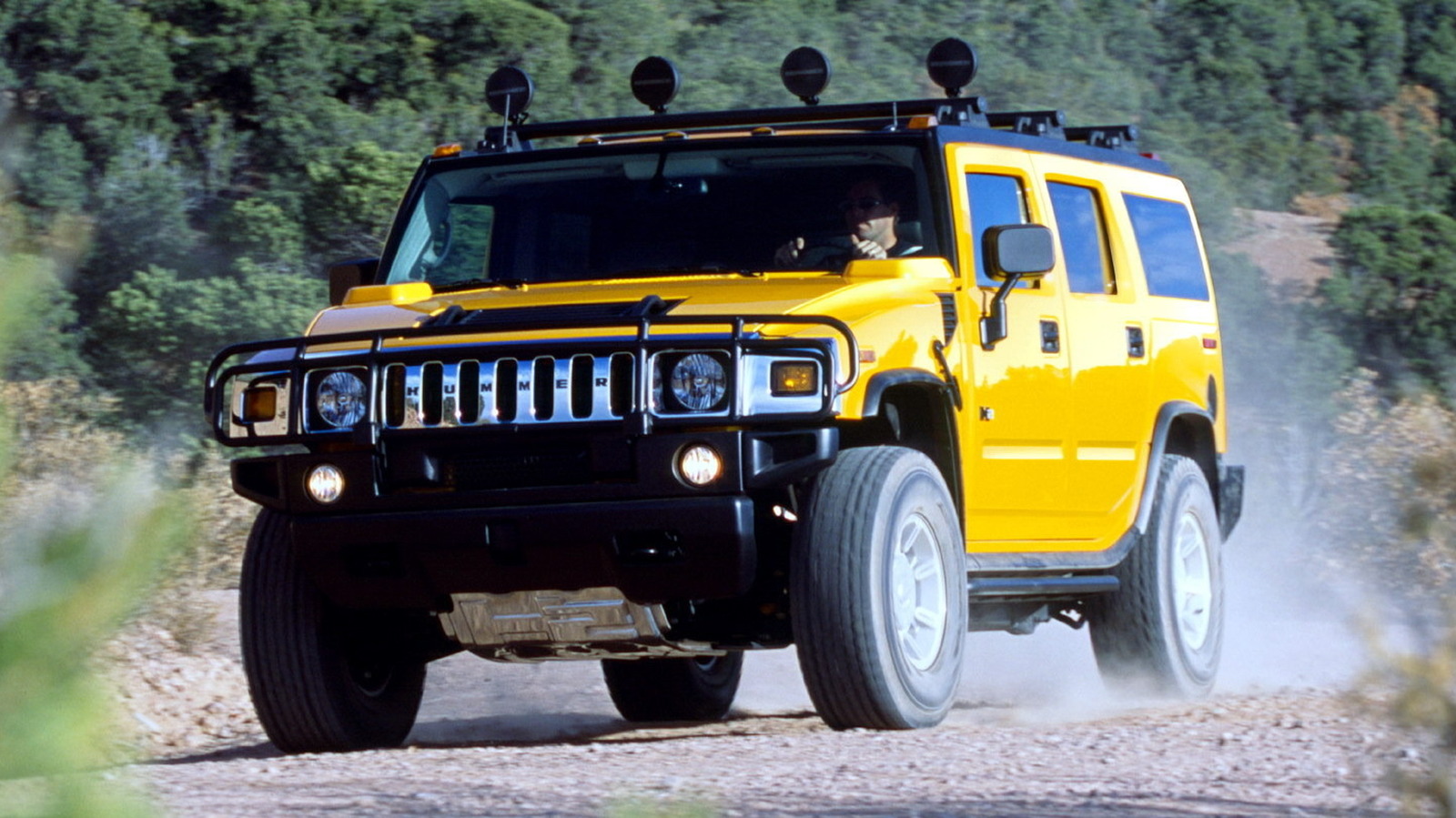
Nobody accidentally makes a boring car. That's the part that stings.
Every beige crossover, every anonymous sedan with a grille that looks like every other grille, every performance variant that weighs 400 pounds more than it should — those cars cleared committees. They passed focus groups. Someone signed off. Probably several someones.
The cars that killed cool didn't sneak through. They were chosen.
And the reasoning is always the same: customers want this. Data says this. The segment demands this. Which might even be true, in the aggregate, in the spreadsheet. But it's the kind of true that slowly poisons everything. You optimize for the median buyer long enough and you stop making cars that make anyone feel anything.
The industry knows this. The people inside it know this. You can see it in the concept cars they show at auto shows — wild, alive, proof that the designers haven't given up — and then watch those concepts get committee'd into something you'd struggle to pick out of a parking lot.
The Concept-to-Showroom Collapse
That gap, between what they can make and what they choose to make, is where cool goes to die.
Look at what Nissan showed with the Z Proto in 2020. The proportions were right. The long hood, the fastback roofline, the visual callback to the 240Z without being a costume. People lost their minds over it — and for good reason. Then the production car arrived and it was... fine. Heavier than it looked. The interior felt like it was costed down in the final months. The magic was still there, technically, but you could feel where the decisions had been made to protect margins instead of the moment.
That's not a design failure. That's a prioritization failure. Someone in a meeting chose the cheaper headliner. Someone else approved the suspension tune that made it livable instead of alive. Death by a thousand sensible decisions.
Contrast that with what Porsche did with the GT3 RS. They made it more extreme with every generation, not less. They looked at the data that said buyers want comfort and connectivity, and they went the other direction anyway. The result is a car with a waiting list and a resale value that laughs at depreciation. Turns out people will pay — and wait — for something that feels like it was made by someone with a point of view.
The Brands That Still Get It
The fix isn't complicated. It's just hard.
Hire people who drive for reasons other than commuting. Give the engineers who actually care about handling dynamics a seat in the room where the compromises get made. Let designers protect their work through the process instead of watching every sharp edge get rounded off before it reaches a customer.
Honda still does this, sometimes. The Civic Type R shouldn't exist by the logic of modern automotive product planning — too loud, too aggressive, too committed to a specific kind of driver. It exists because someone at Honda decided it should, and then defended that decision. The result is a front-wheel-drive car that makes people feel things. That's not supposed to be remarkable. It is anyway.
Mazda does it too. The MX-5 has been the same idea — light, simple, honest — for 35 years. Every generation, the pressure to add weight and features and technology must be enormous. Every generation, they've mostly resisted. The car is still under 2,400 pounds. You can still feel the road through the wheel. That's not an accident. That's discipline.
The brands that have lost the thread aren't staffed by people who don't care. They're staffed by people who stopped being allowed to care out loud.
Some brands still do this. You know which ones. Their waiting lists are the proof.
Keep reading cars.

800 Horsepower, One Ton of Doubt
Lamborghini built the most powerful SUV it's ever made. It's also slower than what it replaced.

£11,990 Draws a Line Under Every Excuse You Had Left
Dacia just made the cheapest new car in Britain electric — and that's not a footnote, it's a verdict.
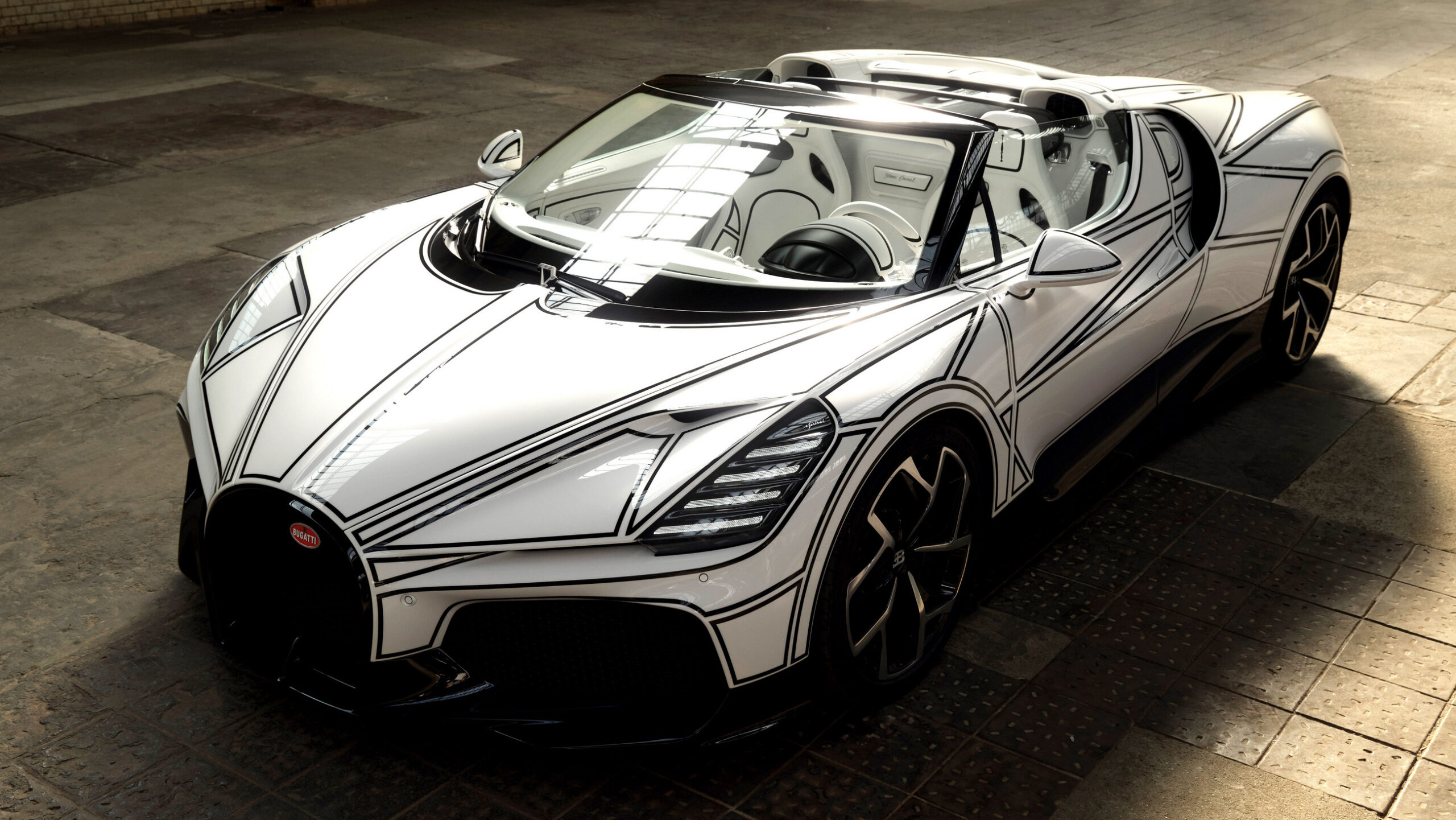
Blanc Éternel Hides Its Speed Behind a Gas Cap
Bugatti built a 261-mph roadster and made sure you'd notice the porcelain first.
From the other desks.

Gold Leaf on a Lacquer Dial, and the Weight of What That Costs
Awake's Frosted Leaf Royal Blue asks a question Vietnamese craft has never quite had to answer at this price.

ESPN Named Him. Then Unnamed Him. Nobody's Explaining the Gap.
A retraction without a reckoning is just a deleted link.

Hide My Email Has Been Showing Your Email
Apple's privacy flagship has a hole in it. They've known for over a year.