Citroën Looked at Its Competition and Decided to Look Like Itself
The French brand is borrowing Chinese speed while betting that soul is the one thing BYD can't ship in a container.
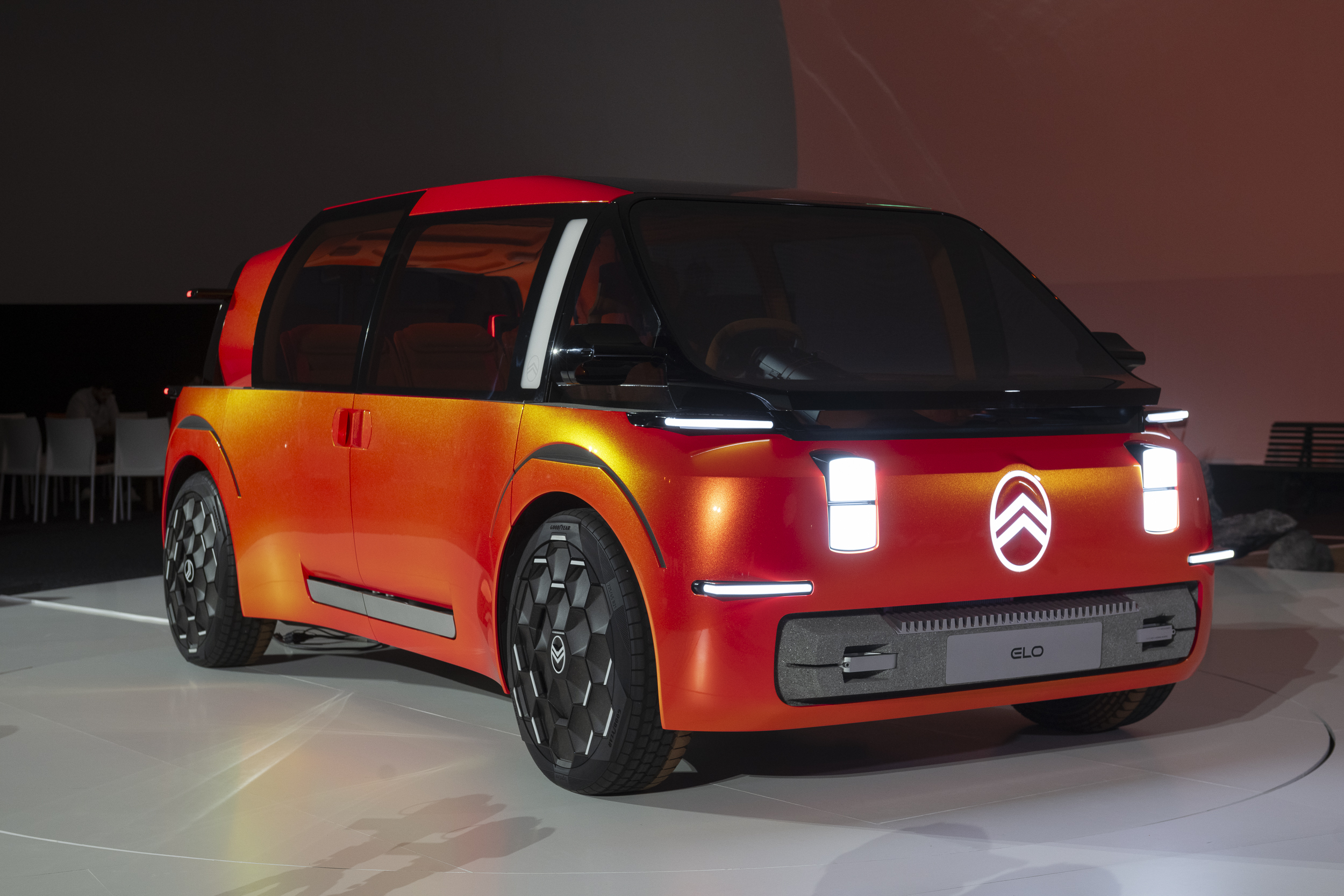
Photo · Autocar RSS Feed
There's a version of this story where Citroën panics. Where the boardroom looks at what Omoda and Jaecoo and Changan are doing in Europe — the pricing, the spec sheets, the relentless efficiency — and responds by becoming a blander, cheaper imitation of an imitation. That version of the story ends badly and predictably.
That is, apparently, not the version Citroën is writing.
A writer at Autocar recently put a camera on Citroën's CEO, Xavier Chardon, and the picture that emerged is more interesting than a typical defensive pivot. Chardon isn't pretending the threat isn't real. The brand's SUV-heavy lineup and value positioning make it, by his own admission, one of the most exposed European names to the rise of similarly priced Chinese brands. That's a candid thing for a CEO to say out loud. Most of them are still finding diplomatic language for 'we're fine.'
He's not fine-ing his way through this. He's naming the competition directly — Omoda, Jaecoo, Geely, Changan — and then doing something unexpected: saying Citroën will learn from them. Specifically, how to develop cars faster and more efficiently. That's not weakness. That's paying attention.
The Bet on Character
But here's where Chardon's logic either holds or collapses: Citroën's answer to Chinese rivals isn't just speed. It's distinctiveness. More charismatic cars. Heritage as a weapon rather than a comfort blanket.
I find myself wanting to believe this, and also wanting to interrogate it hard. Because 'character' is exactly the word that brands reach for when they can't compete on price or technology alone. It's the last refuge — and also, sometimes, the only truthful one.
The difference matters. There's a hollow version of heritage, where you slap archive graphics on a crossover and call it cultural memory. And then there's the actual thing — a marque with a genuine design philosophy, a real point of view about what a car should feel like, a relationship with discomfort and eccentricity that somehow keeps producing cars people feel something about. Citroën has historically lived closer to the second category than most.
The numbers, at least for now, aren't arguing against Chardon. The Autocar piece notes that global sales were up 10% in the first quarter of 2026, reaching 190,000 units. One particular market showed 118% growth — the number gets cut off in the source, but even in fragment it suggests the strategy isn't purely defensive. Something is working somewhere.
What Europe Finally Understands
The larger story here isn't really about Citroën. It's about the moment European carmakers are living through — and what they're finally willing to say about it.
For years, the response to Chinese competition was a combination of skepticism and condescension. The cars weren't taken seriously. The brands were treated as temporary disruptions. That era is over, and Chardon's comments feel like evidence that at least some executives have processed the grief and arrived at strategy.
Borrowing Chinese development efficiency while doubling down on European identity isn't a contradiction. It's actually the only coherent move available. If you can't beat them on speed-to-market or price-per-feature, you'd better offer something they structurally cannot replicate. History. Texture. A design language with an actual argument behind it.
Character, in other words. Which is either Citroën's greatest asset or its most convenient excuse — and the next few model cycles will tell us which.
The cars will settle the argument. They always do.
Keep reading cars.

800 Horsepower, One Ton of Doubt
Lamborghini built the most powerful SUV it's ever made. It's also slower than what it replaced.

£11,990 Draws a Line Under Every Excuse You Had Left
Dacia just made the cheapest new car in Britain electric — and that's not a footnote, it's a verdict.
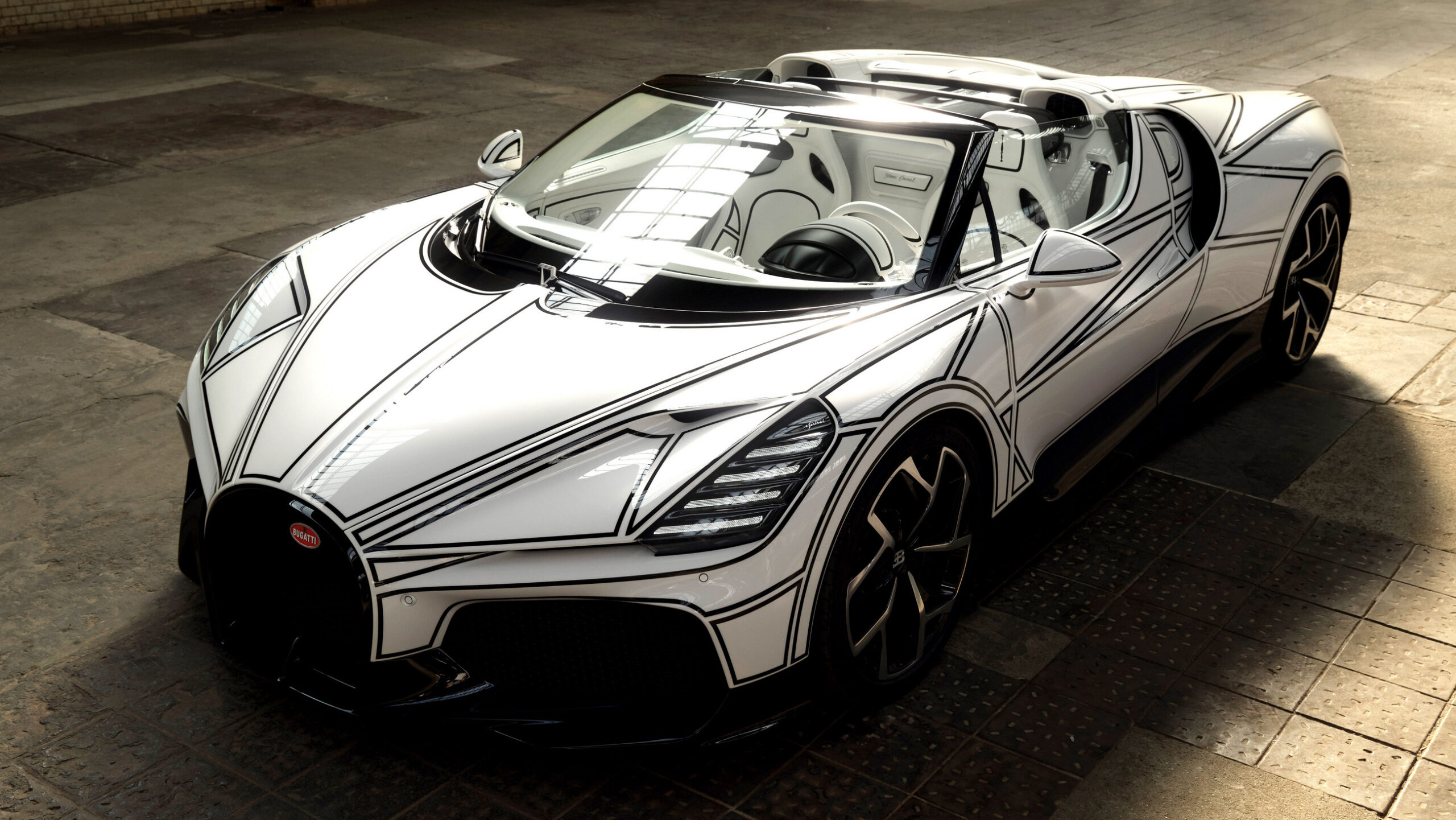
Blanc Éternel Hides Its Speed Behind a Gas Cap
Bugatti built a 261-mph roadster and made sure you'd notice the porcelain first.
From the other desks.

Gold Leaf on a Lacquer Dial, and the Weight of What That Costs
Awake's Frosted Leaf Royal Blue asks a question Vietnamese craft has never quite had to answer at this price.

ESPN Named Him. Then Unnamed Him. Nobody's Explaining the Gap.
A retraction without a reckoning is just a deleted link.

Hide My Email Has Been Showing Your Email
Apple's privacy flagship has a hole in it. They've known for over a year.