Everyone Admitted It at Once: The V8 Is Back
Mercedes brought one back to the road. F1 wants one back on the grid. The industry's quiet confession is getting louder.
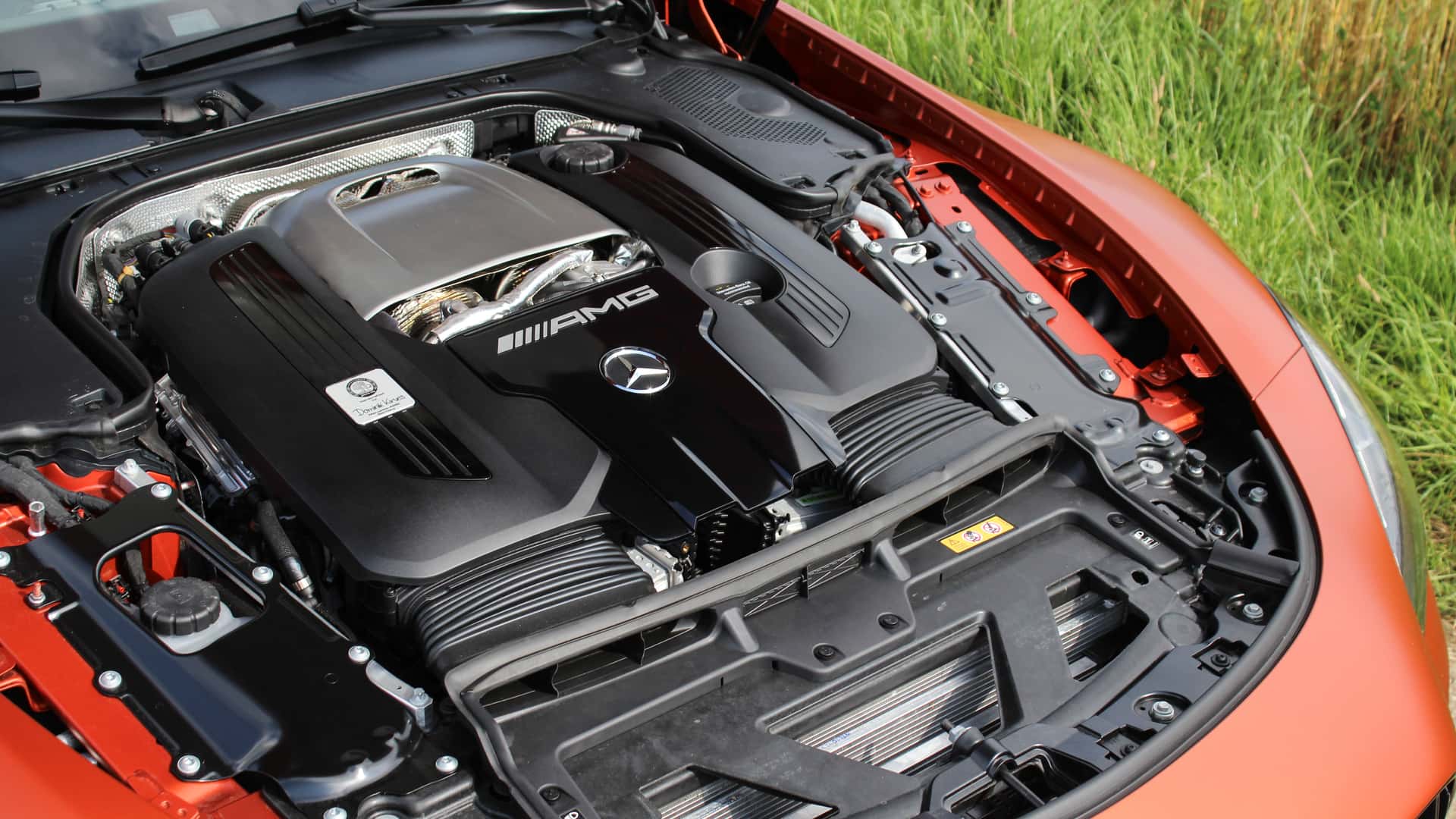
Photo · Motor1.com - Articles
Eight cylinders. That's the answer. Not a hybrid stack, not a torque-fill algorithm, not a kilowatt figure on a spec sheet nobody asked for. Two separate corners of the automotive world — one road, one track — arrived at the same conclusion inside the same news cycle, and the coincidence deserves more than a headline.
Mercedes-AMG confirmed its new V8 engine arrives this year, initially bound for SUVs before eventually finding its way into cars. Formula 1 executives said V8s could return to the grid as early as 2030. And FIA President Mohammed Ben Sulayem, speaking at Miami, went further — not floating the idea but detailing it, making clear he's serious about what those engines would look and sound like when they get there.
Two institutions. One direction.
The Admission Nobody Wants to Name
For years, complexity was sold as progress. Hybrid systems, energy recovery, turbos wrapped in turbos — the engineering was genuinely impressive, and the results on paper were undeniable. But somewhere between the spec sheet and the experience, something got lost. The sound thinned. The sensation became managed. The machines grew quieter and, in the most honest sense of the word, more distant.
What's happening now isn't nostalgia dressed up as strategy. It's a correction. When the FIA president is publicly sketching out the contours of a V8-powered F1 field, and AMG is putting one back into production vehicles, these aren't independent decisions — they're two organizations reading the same signal from their audiences and deciding, finally, to stop arguing with it.
Efficiency was always real. But it was never the whole story. The story was also about what a car does to the person inside it, and what a race car does to the person watching it from the grandstand. Nobody ever bought tickets to hear silence.
What the Ground Shift Actually Means
The F1 timeline is 2030 — close enough to plan toward, far enough that the politics could still swallow it. Ben Sulayem's specificity at Miami suggests this isn't a trial balloon. That matters because F1's engine regulations don't just govern one team's car — they set the commercial and technological direction for manufacturers tied to the sport. A V8 decision there ripples outward.
The AMG move is more immediate. SUVs first, then cars — a sequencing that reads as cautious but probably isn't. Volume segments justify the investment, and once the engine exists in the lineup, the cars follow. Anyone who thinks this ends at an SUV isn't paying attention to what AMG does with powertrains once they're certified and running.
Taken together, what you're watching is the industry quietly admitting that the conversation about engagement — real, physical, sensory engagement — was never fully resolved by going smaller or smoother or more complex. The V8 isn't returning because the past was better. It's returning because the present left a gap that nothing else filled.
And when both the road and the track reach for the same engine, the gap was probably larger than anyone wanted to say out loud.
Keep reading cars.

800 Horsepower, One Ton of Doubt
Lamborghini built the most powerful SUV it's ever made. It's also slower than what it replaced.

£11,990 Draws a Line Under Every Excuse You Had Left
Dacia just made the cheapest new car in Britain electric — and that's not a footnote, it's a verdict.
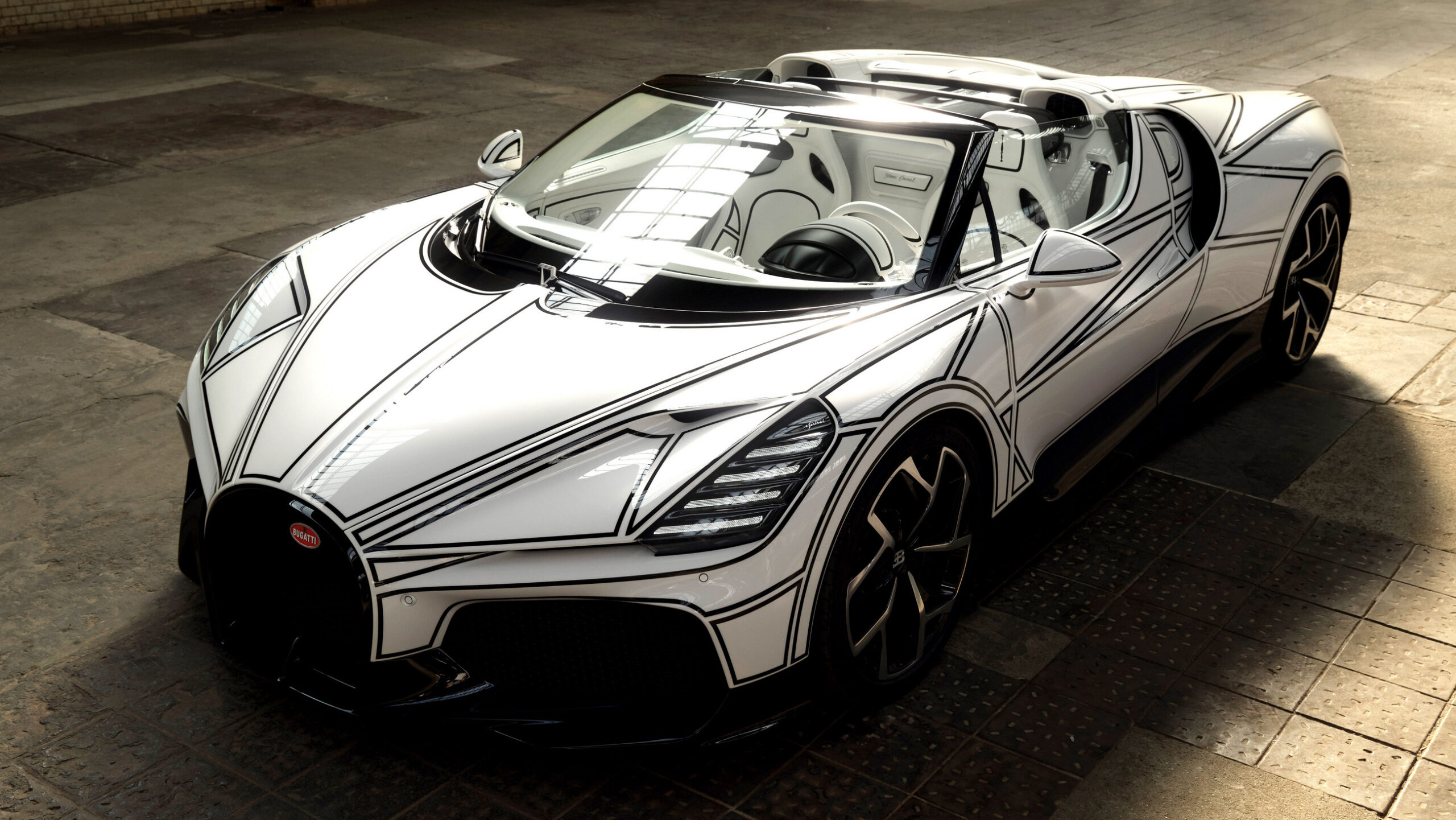
Blanc Éternel Hides Its Speed Behind a Gas Cap
Bugatti built a 261-mph roadster and made sure you'd notice the porcelain first.
From the other desks.

Gold Leaf on a Lacquer Dial, and the Weight of What That Costs
Awake's Frosted Leaf Royal Blue asks a question Vietnamese craft has never quite had to answer at this price.

ESPN Named Him. Then Unnamed Him. Nobody's Explaining the Gap.
A retraction without a reckoning is just a deleted link.

Hide My Email Has Been Showing Your Email
Apple's privacy flagship has a hole in it. They've known for over a year.