Five Weeks of Secrets, Twelve Minutes of Truth
Miami didn't reveal who upgraded. It revealed who lied about upgrading.
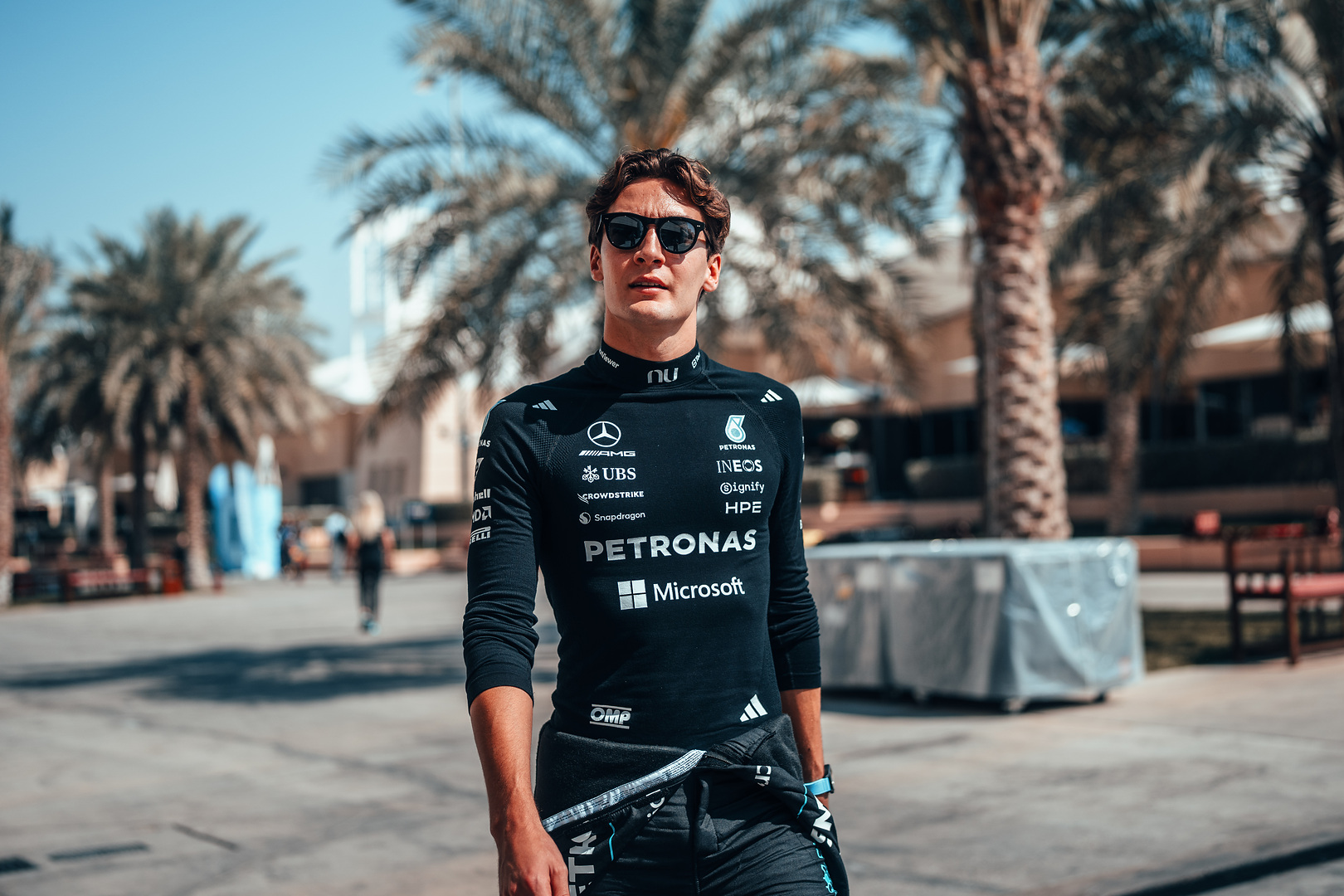
Photo · MotorBiscuit
Every team arrived in Florida with a story. McLaren's held up.
The gap between the São Paulo circuit and the Miami International Autodrome was five weeks — long enough for aero packages to be signed off, simulator hours to accumulate, and the broadcast machine to wind itself into a frenzy of expectation. What the Sprint Qualifying session actually delivered was something more clarifying than any single result: a near-perfect audit of who used the break and who performed the ritual of using it.
Lando Norris took sprint pole and pointed directly at the upgrades. Called it a perfect lap. Nodded to what Woking had brought to Florida. That's a clean ledger — work done, result matching the claim.
Everything else was murkier.
The Gap Between Practice and Truth
Ferrari came in looking fast. One source described the Scuderia's package as briefly making their car appear the fastest on track in opening practice — Lewis Hamilton's own words, per reporting, were that the upgrade had been a letdown, that he had no idea what had happened between Friday and the sprint. That's not a diplomatic non-answer. That's a driver telling you the engineers don't fully have it figured out either.
George Russell, watching from a Mercedes that had slipped back in the order, called the McLaren and Ferrari upgrades pretty surprising. Which is a polite way of saying Mercedes read the break differently, or slower, or wrong. The five-week window that McLaren turned into a step forward became, for Mercedes, a moment that clarified the gap rather than closed it.
This is what the coverage across five different angles kept circling without fully naming: the long break didn't compress the field. It stratified it. Teams that already had organizational momentum converted the time into performance. Teams that were chasing something unclear came back still chasing.
Red Bull's Other Argument
Then there's Red Bull, who brought their rotating rear wing concept to a race weekend for the first time in Miami — and Max Verstappen, characteristically, deflated the upgrade narrative in four words. The exact phrasing varies by account, but the posture was consistent: hype is for the broadcast, results are for the timing sheet.
He's not wrong, and he's also not entirely right. Red Bull maintained their wing concept was developed independently, not reverse-engineered from Ferrari's rival approach. Ferrari, for their part, arrived with their own rear wing concept that at least one analysis suggested might hold an aerodynamic advantage over Red Bull's version. Whether that advantage materialized in the sprint results is a different question — Ferrari's weekend suggested a car that had promise it couldn't consistently access.
What's interesting about the wing conversation isn't the technology. It's the timing. Two major teams arriving at the same venue with competing philosophies on a single component, each insisting their path was their own. That's not unusual in F1. But it does tell you where the current development war is actually being fought — not in the headline upgrades, not in the floor revisions, but in the specific aerodynamic concepts that teams are betting development tokens on across a season.
The five-week break, in that framing, isn't really a break. It's a compressed development sprint disguised as absence. The teams that treat it as a sprint win it. The teams that treat it as downtime come back to Florida heat and a 12-minute session that doesn't care about your narrative.
Norris got pole. Hamilton had no idea. Russell was surprised. Verstappen shrugged.
Four data points. One season's worth of truth about who actually did the work.
Keep reading cars.

800 Horsepower, One Ton of Doubt
Lamborghini built the most powerful SUV it's ever made. It's also slower than what it replaced.

£11,990 Draws a Line Under Every Excuse You Had Left
Dacia just made the cheapest new car in Britain electric — and that's not a footnote, it's a verdict.
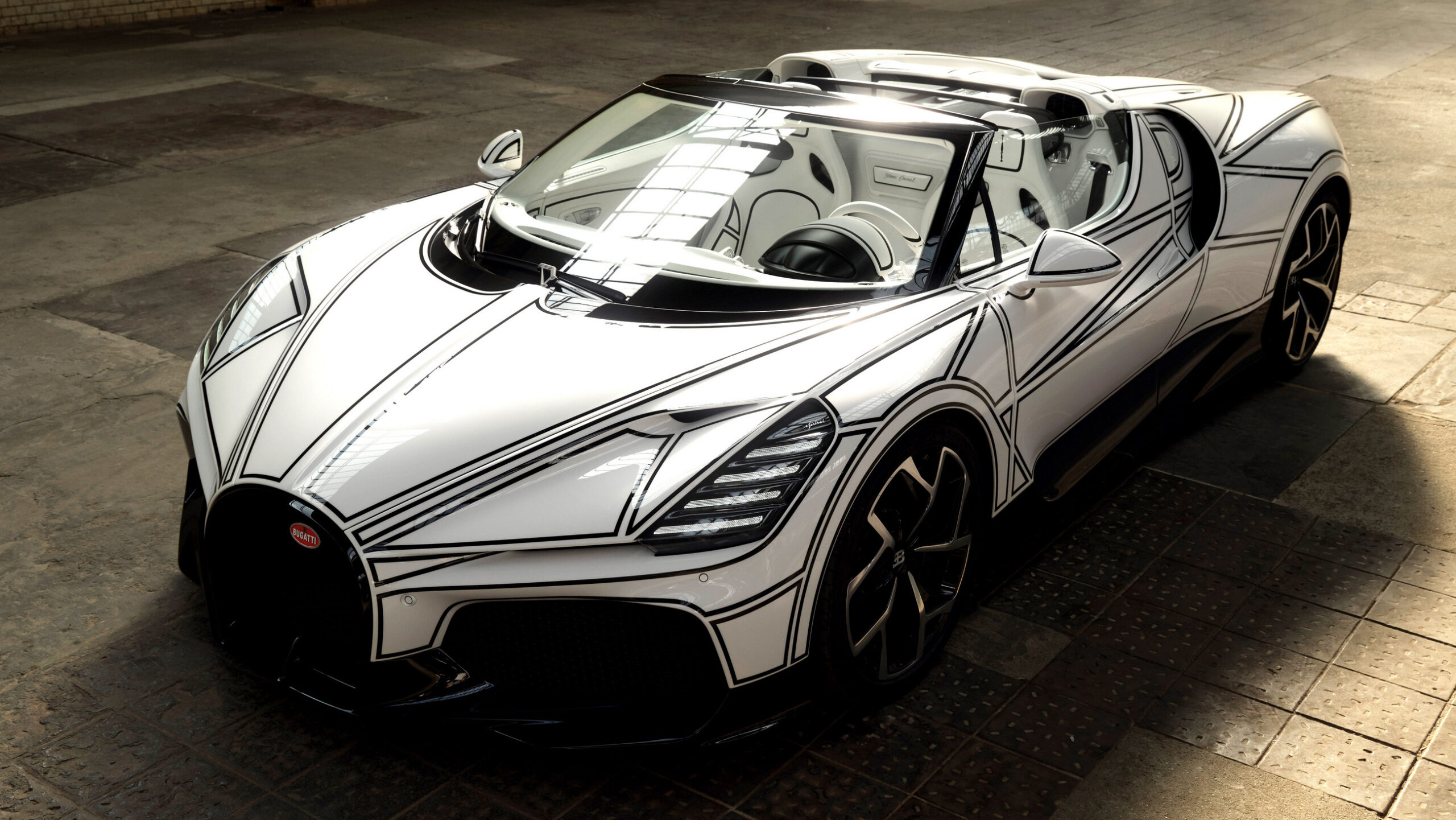
Blanc Éternel Hides Its Speed Behind a Gas Cap
Bugatti built a 261-mph roadster and made sure you'd notice the porcelain first.
From the other desks.

Gold Leaf on a Lacquer Dial, and the Weight of What That Costs
Awake's Frosted Leaf Royal Blue asks a question Vietnamese craft has never quite had to answer at this price.

ESPN Named Him. Then Unnamed Him. Nobody's Explaining the Gap.
A retraction without a reckoning is just a deleted link.

Hide My Email Has Been Showing Your Email
Apple's privacy flagship has a hole in it. They've known for over a year.