Gas Macan Outsells Its Own Replacement. Porsche Keeps Building.
The combustion Macan is dying this summer — and buyers are lining up for it anyway.
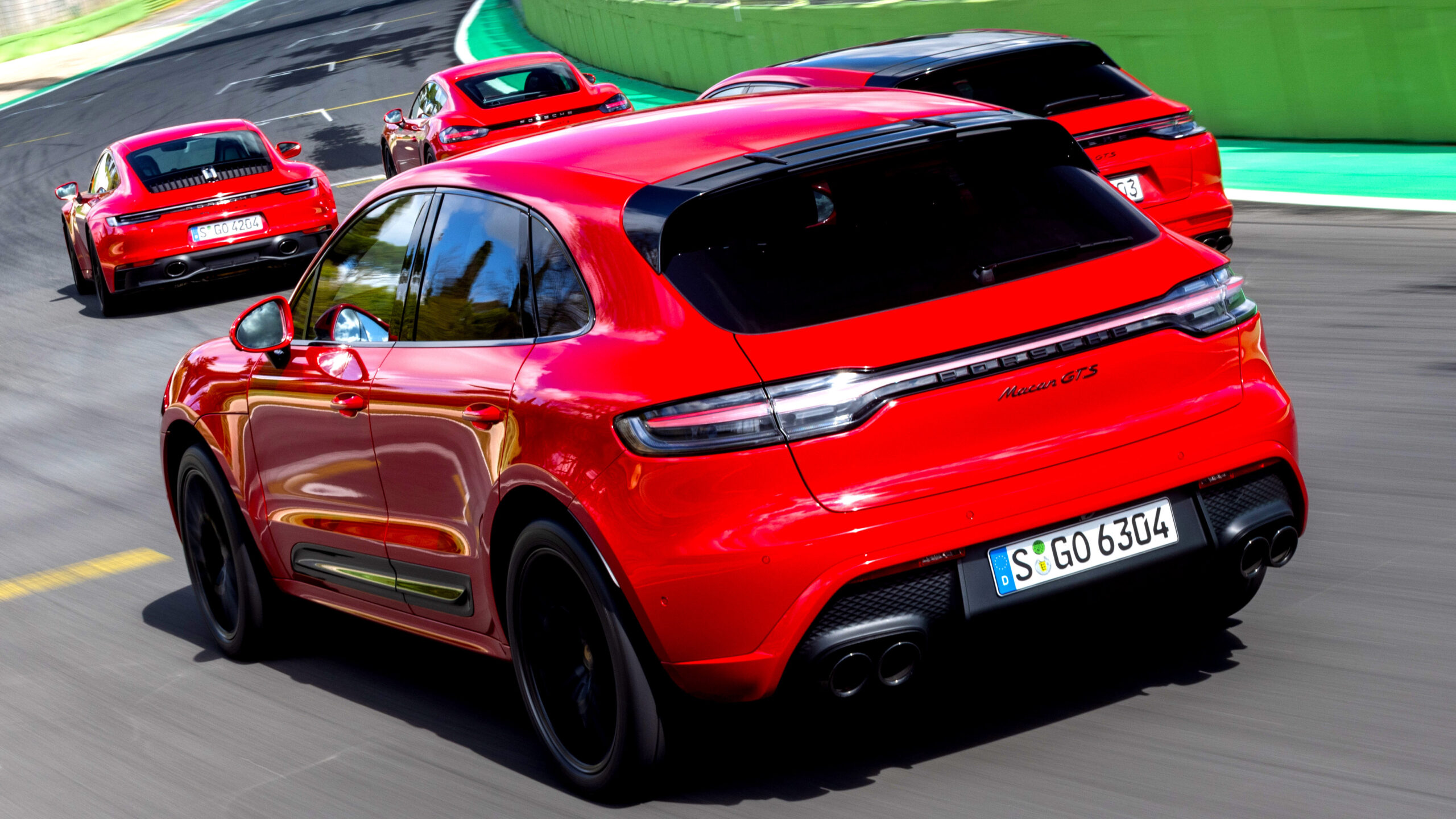
Photo · Carscoops
Porsche is ending production of the gas-powered Macan this summer. The buyers know. They're buying it anyway.
That's not a footnote. That's the whole story.
According to coverage from Carscoops, over 10,000 gas Macans moved against the electric version in the same period — the EV that was supposed to replace it, to surpass it, to make it irrelevant. It didn't. The combustion car won. And Porsche, to its credit, isn't pretending otherwise. The company is building inventory, stocking dealers, and according to reporting from Autocar, Porsche's finance chief confirmed on the company's first-quarter earnings call that production runs until mid-2026, with sales stretching into 2027 in some markets. The UK will have stock into next year.
Let that sit. A car in its dying months is still drawing enough demand that the company is racing to make more of it before the parts run out.
The Market Is Saying Something
Motor1 reported that the first-generation Macan still enjoys what Porsche calls "great demand" in the United States. That phrasing — great demand — isn't marketing. It's a quiet admission. You don't stock a discontinuing vehicle aggressively if buyers have already mentally moved on. Porsche is stocking it because they can't afford to leave that demand unfulfilled.
The EV Macan is not a bad car. That's not what this is about. This is about what happens when a company makes a product transition and the market responds with a shrug. Buyers aren't rejecting the future out of ignorance. They're choosing the thing they understand, the thing they can fill up on a road trip without planning three stops in advance, the thing that behaves predictably in the ways they've come to rely on. That's not irrational. That's just honest.
Porsche is threading a needle that most manufacturers won't admit is even there. They're building as much of the old thing as the supply chain will allow, selling it through 2027 in some corners of the world, and simultaneously priming what Autocar describes as a spiritual successor to the combustion Macan — a new model slated for 2028. So the gas Macan isn't just dying. It's being replaced, eventually, by something that echoes it.
What They're Really Selling
There's a version of this story where Porsche looks conflicted — caught between an electrification strategy and a customer base that hasn't followed. But I think that reads it wrong. What Porsche is actually doing is listening. They heard the demand signal, they're honoring it with inventory, and they're already engineering a future vehicle that acknowledges what the market told them.
The combustion Macan earned its following. Years of it. Buyers know what they're getting when they sit in one — the weight of the wheel, the way the engine pulls from low revs, the mechanical directness of a machine that doesn't require firmware to feel alive. That's not nostalgia. That's a preference formed through experience.
The electric version will find its people. Probably already has, for some. But it hasn't replaced the feeling. Not yet.
Porsche confirmed 2028 for that spiritual successor — which means there's a gap, a deliberate one, where only the EV holds the nameplate. That gap is a bet. It's a bet that by 2028, enough has shifted — infrastructure, comfort, range anxiety — that a combustion-echoing vehicle makes sense again in a new form.
Maybe the bet pays. Maybe it doesn't.
For now, somewhere, a gas Macan is rolling off a line that's counting down its last weeks. And someone, somewhere, just put a deposit on it — because they wanted the real thing before the option disappears.
Keep reading cars.

800 Horsepower, One Ton of Doubt
Lamborghini built the most powerful SUV it's ever made. It's also slower than what it replaced.

£11,990 Draws a Line Under Every Excuse You Had Left
Dacia just made the cheapest new car in Britain electric — and that's not a footnote, it's a verdict.
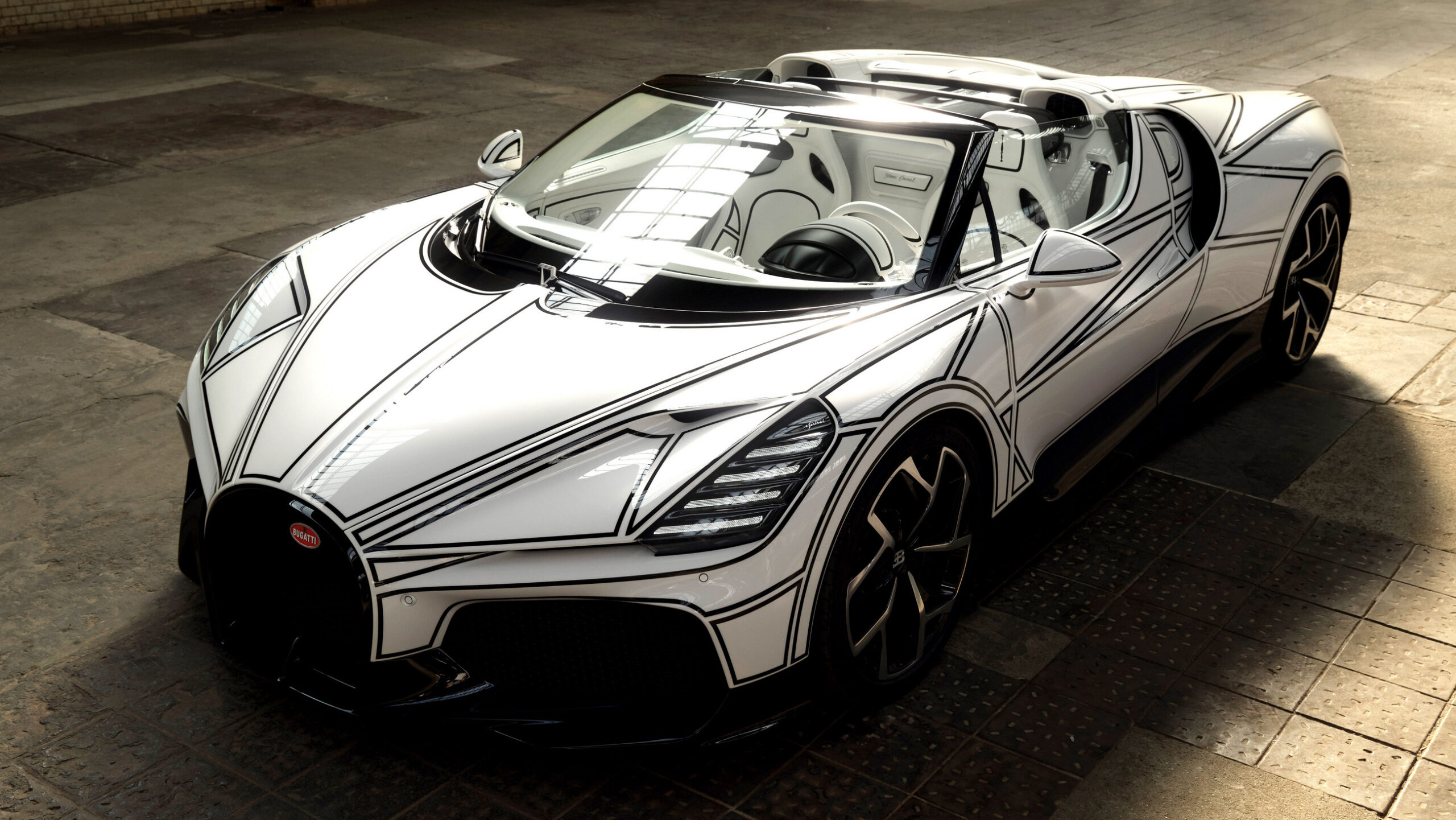
Blanc Éternel Hides Its Speed Behind a Gas Cap
Bugatti built a 261-mph roadster and made sure you'd notice the porcelain first.
From the other desks.

Gold Leaf on a Lacquer Dial, and the Weight of What That Costs
Awake's Frosted Leaf Royal Blue asks a question Vietnamese craft has never quite had to answer at this price.

ESPN Named Him. Then Unnamed Him. Nobody's Explaining the Gap.
A retraction without a reckoning is just a deleted link.

Hide My Email Has Been Showing Your Email
Apple's privacy flagship has a hole in it. They've known for over a year.