Honda's Delayed Models Are an Admission Worth Reading Twice
A leaked memo, a shelved generation, and a quiet reckoning with how long people actually keep their cars.
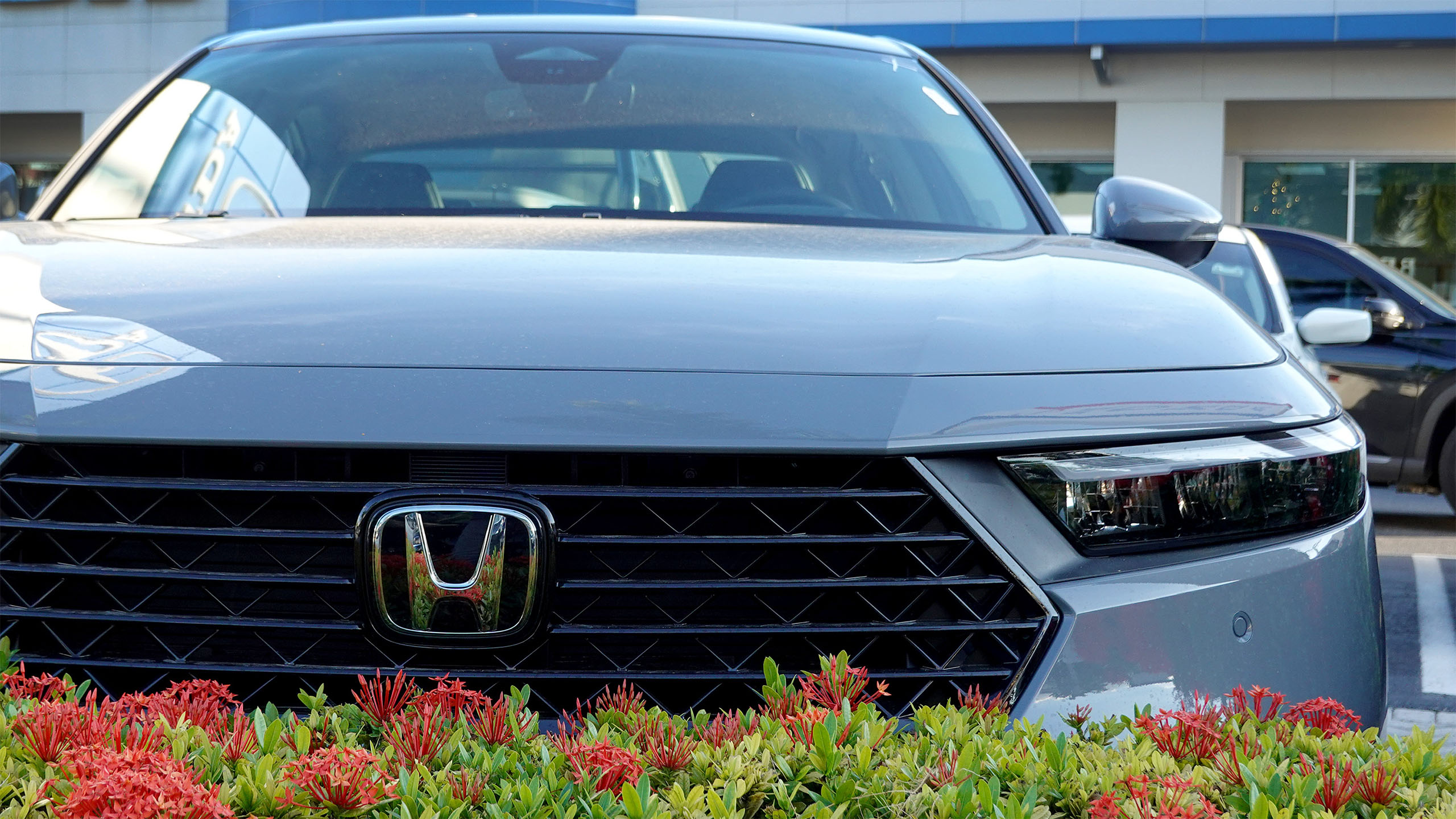
Photo · The Drive
There's a memo circulating inside Honda that the company didn't intend for us to see. According to reporting from The Autopian, it confirms what a few of us have suspected for a while: Honda is deliberately delaying next-generation replacements for the Accord, the Odyssey, the HR-V, and more. Not canceling. Not redesigning. Delaying. Which sounds like a management footnote until you sit with what it actually means.
This is a major automaker choosing to slow down the machine that has defined the industry's rhythm for decades — the near-constant churn of generations, the planned two-steps-forward shuffle that assumed you'd be ready for something new roughly every five to seven years whether the old thing needed replacing or not.
The old thing doesn't need replacing.
The Cycle That Stopped Making Sense
The Autopian framed it plainly: people are keeping their cars longer, and modern cars are generally very good. That's a deceptively simple observation carrying enormous weight. It means the old logic — design it, sell it, obsolete it, repeat — has collided with a consumer who looked at their well-functioning Accord and asked a reasonable question: why exactly would I trade this in?
Honda doesn't have a clean answer. And so, rather than pushing a next-generation model into a market that may not be hungry for one, they're holding. The Drive also reported the delay news, noting it follows Honda's recent decision to kill off its EV lineup — two moves in quick succession that, taken together, suggest a company in the middle of a genuine recalibration, not just a product-cycle adjustment.
That's worth separating from the usual corporate narrative. This isn't a company celebrating a pivot. This is a company quietly acknowledging that several of its assumptions were wrong at the same time.
What Gets Left on the Table
There's a version of this story where Honda is the hero — finally reading the room, respecting that an Odyssey doing its job well doesn't need a new nose and a refreshed infotainment screen to justify its existence. And I have some sympathy for that read. There is something almost honest about pausing the churn.
But there's another version. The Odyssey is aging. The HR-V has competitors that have moved. The Accord sits in a segment where standing still, even briefly, costs you ground you may not recover. Delaying a generation isn't free — it's a calculated bet that the current product can hold the line long enough for whatever comes next to matter.
That bet might be right. It also might be the kind of decision that looks reasonable in a memo and looks like a mistake in a sales report two years from now.
What's undeniable is this: the industry built itself around a consumer who upgraded on schedule, and that consumer quietly stopped showing up. Honda isn't the first to notice. They may just be the first to put it in writing and let the memo leak.
The product cycle was always a fiction the industry sold to itself. Honda just stopped pretending it believed it.
Keep reading cars.

800 Horsepower, One Ton of Doubt
Lamborghini built the most powerful SUV it's ever made. It's also slower than what it replaced.

£11,990 Draws a Line Under Every Excuse You Had Left
Dacia just made the cheapest new car in Britain electric — and that's not a footnote, it's a verdict.

Blanc Éternel Hides Its Speed Behind a Gas Cap
Bugatti built a 261-mph roadster and made sure you'd notice the porcelain first.
From the other desks.

Gold Leaf on a Lacquer Dial, and the Weight of What That Costs
Awake's Frosted Leaf Royal Blue asks a question Vietnamese craft has never quite had to answer at this price.

ESPN Named Him. Then Unnamed Him. Nobody's Explaining the Gap.
A retraction without a reckoning is just a deleted link.

Hide My Email Has Been Showing Your Email
Apple's privacy flagship has a hole in it. They've known for over a year.