Honda Sold More Accords While Its SUVs Slumped. Read That Again.
A 42% sales surge and a Prelude revival aren't nostalgia — they're a verdict on where the market actually is.
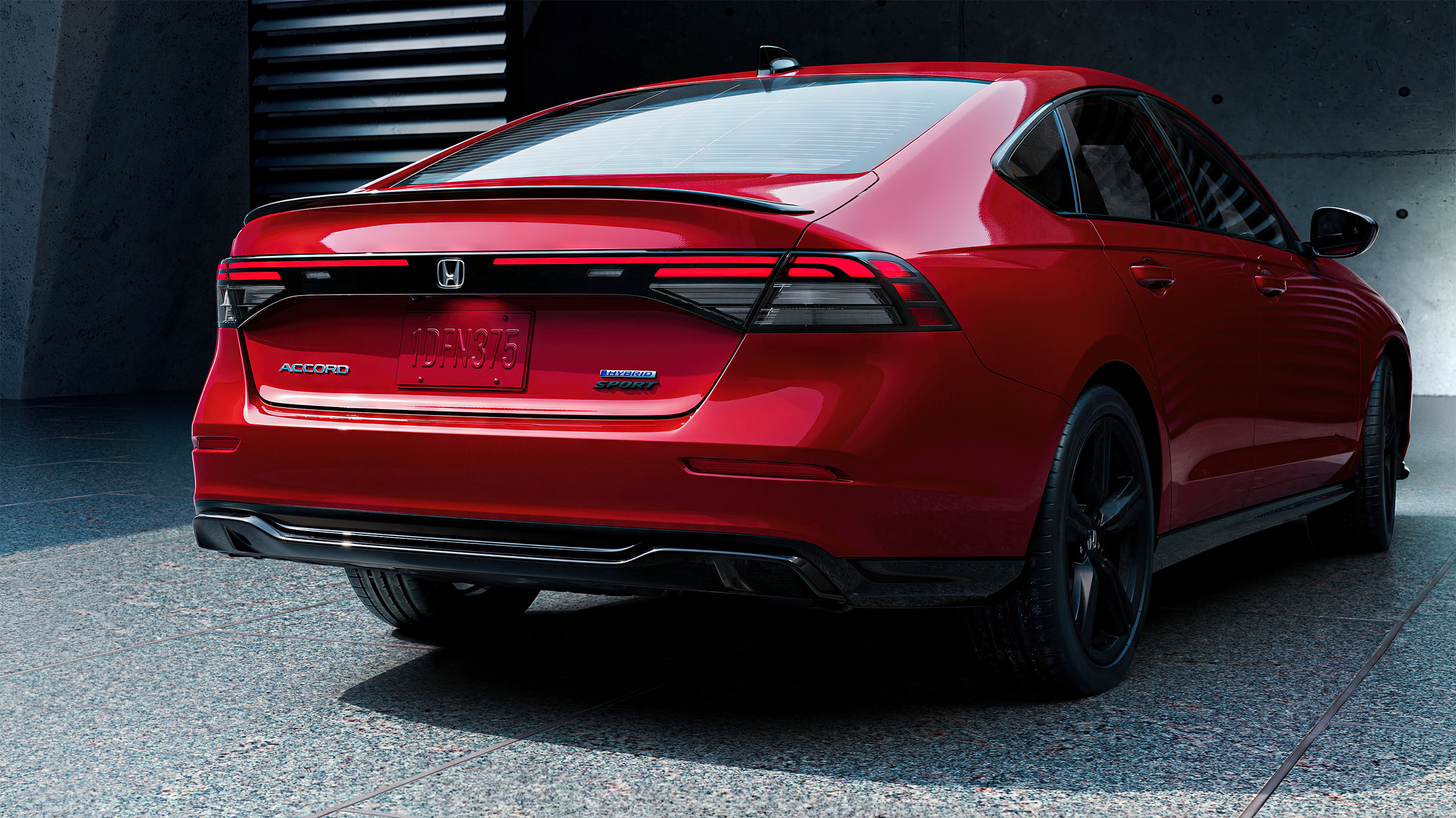
Photo · The Drive
What April Said Out Loud
Somewhere between the charging anxiety think-pieces and the EV transition timelines that keep getting quietly pushed back, a lot of people just bought a sedan. A regular, internal-combustion, four-door sedan. In April, Honda's Accord sales jumped 42% year-over-year. The Prelude — a nameplate that wasn't even in showrooms until recently — posted its best month ever, surpassing the Subaru BRZ in the process. Meanwhile, nearly every Honda SUV in the lineup recorded worse numbers than the same month a year prior.
That's not a data point. That's a confession.
The confession isn't that EVs are dead or that SUVs are finished — neither is true. It's simpler and more uncomfortable than that: the story the industry has been telling about where buyers are headed has been running ahead of where buyers actually are. The Accord surge, flagged by The Drive, didn't happen in a vacuum. It happened in a month when Honda's crossovers — the segment that was supposed to be untouchable — collectively stepped backward. That contrast is the thing worth sitting with.
Two Cars, One Signal
The Prelude piece from Carscoops lands differently when you read it next to the Accord numbers. Here's a car that came back from the dead, found its footing, and is now outpacing a legitimate enthusiast benchmark in the BRZ. Two Honda models with real driver appeal — one a proven workhorse, one a returning cult nameplate — both moving in the same direction at the same time.
You can call it coincidence. Or you can call it what it looks like: buyers gravitating back toward cars that feel like cars. Lower to the ground. Shaped with intention. Something you sit in rather than on top of.
There's a version of this story that gets told as nostalgia, a soft human-interest angle about retro revivals and simpler times. That's not what's happening here. Nostalgia doesn't move 42%. Nostalgia doesn't beat the BRZ on a monthly sales chart. What moves those numbers is value, driving character, and — maybe most importantly — confidence in the purchase. People know what an Accord is. They know what they're getting. In a market full of question marks about range, infrastructure, and residuals, certainty has become its own selling point.
The EV transition isn't fiction exactly, but the timeline always had more optimism baked into it than evidence. Buyers didn't get the memo that they were supposed to be waiting. They went to the dealership and bought the thing that made sense in their actual life — the commute they actually have, the budget they're actually working with, the charging situation that does not, in fact, exist in their apartment building.
The Accord and the Prelude didn't stage a comeback. The market just stopped pretending it was further along than it was.
And Honda, almost accidentally, had exactly the right cars on the lot.
Keep reading cars.

800 Horsepower, One Ton of Doubt
Lamborghini built the most powerful SUV it's ever made. It's also slower than what it replaced.

£11,990 Draws a Line Under Every Excuse You Had Left
Dacia just made the cheapest new car in Britain electric — and that's not a footnote, it's a verdict.
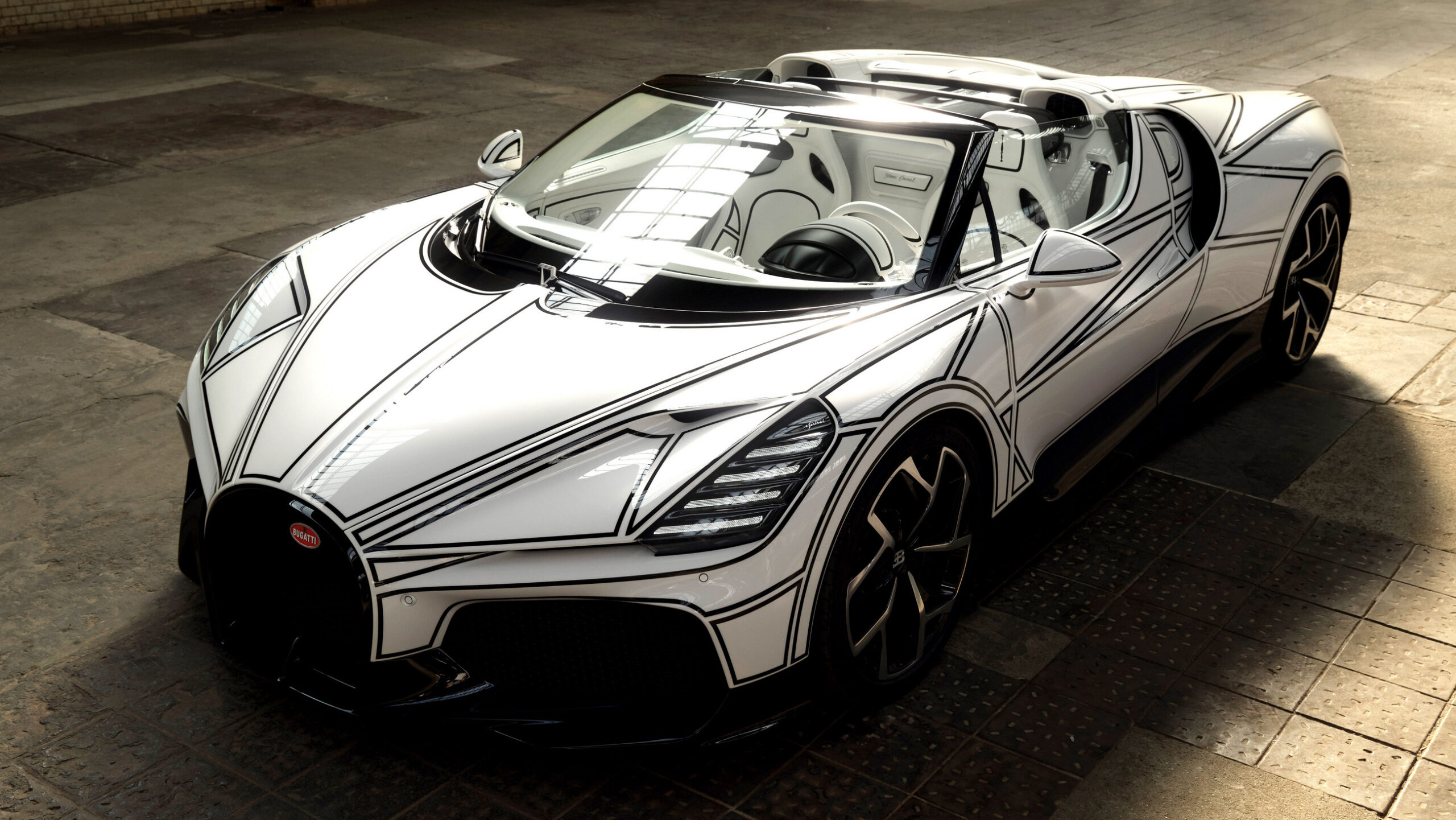
Blanc Éternel Hides Its Speed Behind a Gas Cap
Bugatti built a 261-mph roadster and made sure you'd notice the porcelain first.
From the other desks.

Gold Leaf on a Lacquer Dial, and the Weight of What That Costs
Awake's Frosted Leaf Royal Blue asks a question Vietnamese craft has never quite had to answer at this price.

ESPN Named Him. Then Unnamed Him. Nobody's Explaining the Gap.
A retraction without a reckoning is just a deleted link.

Hide My Email Has Been Showing Your Email
Apple's privacy flagship has a hole in it. They've known for over a year.