Honda Spent $11 Billion Figuring Out What the Market Already Knew
Killing the Canadian EV factory isn't a retreat — it's an overdue admission that scale without demand is just an expensive theory.
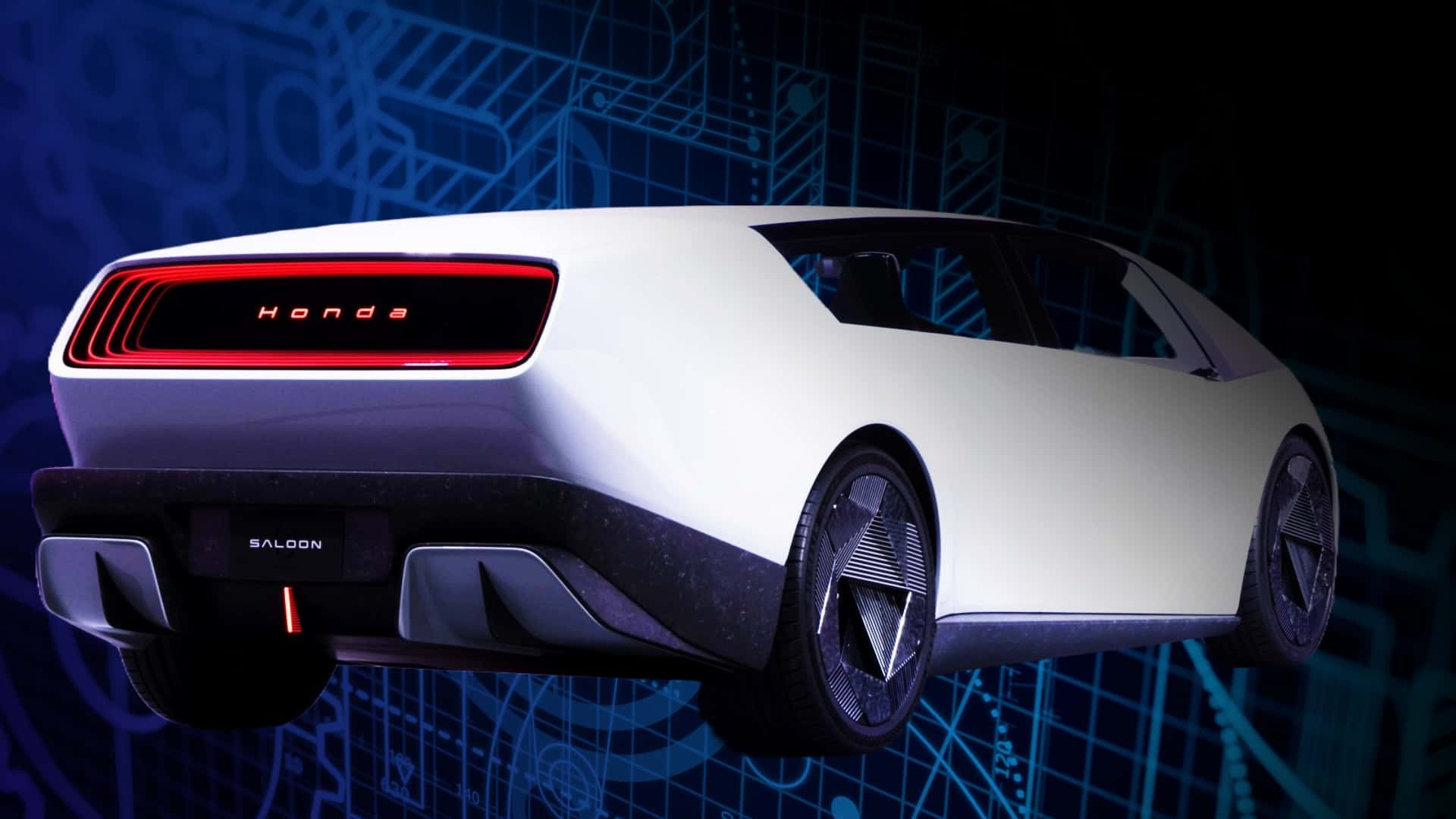
Photo · InsideEVs - Articles
There's a version of ambition that looks like courage until the numbers come back. Honda's reported decision to cancel its $11 billion electric vehicle factory in Canada — after already putting it on hold for two years — is that version, fully developed.
A Nikkei report says the plant is dead in the water. Not paused. Not restructured. Gone. And the interesting thing isn't the money, though $11 billion is not a rounding error. The interesting thing is what the sequence reveals: hold it, study it, kill it. That's not a pivot. That's a conclusion arrived at slowly, in stages, the way you arrive at conclusions you didn't want to reach.
The Timeline Was Always the Fiction
The EV transition was never going to move at the speed the press releases implied. What's happening now — with Honda, and with others before them — is that automakers are finally saying out loud what supply chain people and dealership networks have been saying in hallways for two years: demand isn't tracking the infrastructure, and infrastructure isn't tracking the mandate, and the mandate was written by people who hadn't stress-tested the math at scale.
Building a factory of that size requires certainty about what you'll be selling in a decade. Honda didn't have that certainty. Nobody does, honestly — but Honda is the one who just admitted it in the most expensive way available.
The two-year hold was the tell. A hold is what you do when you believe the conditions will change but you're not sure when. A cancellation is what you do when you've stopped believing. That shift — from uncertainty to conclusion — is the real story here, and it's one the industry is going to be reckoning with for a while.
Scale Is Not a Strategy
There's a logic that took hold in the early part of this decade: build the capacity, and the buyers will follow. It worked for the original EV pioneers because they were building from zero and any sales were proof of concept. It does not work the same way for legacy automakers trying to retool at industrial scale while simultaneously managing existing combustion lineups, franchise dealer relationships, and consumer bases that are not moving as fast as the announcements suggested they would.
The Canadian factory was a bet that scale itself would create momentum. That if Honda committed hard enough — $11 billion hard — the demand side would feel the gravity and respond. What the cancellation says is that the demand side did not respond on schedule, and holding a half-built thesis for two years while the market sends clear signals is not a viable long-term position.
This isn't a story about Honda failing. It's a story about the gap between what an industry needed to be true and what turned out to actually be true — and what it costs, in dollars and in credibility, to finally close that gap.
The factories that get built next will be smaller, later, and far more conditional. That's probably the right answer. It's just an expensive place to land.
Keep reading cars.

800 Horsepower, One Ton of Doubt
Lamborghini built the most powerful SUV it's ever made. It's also slower than what it replaced.

£11,990 Draws a Line Under Every Excuse You Had Left
Dacia just made the cheapest new car in Britain electric — and that's not a footnote, it's a verdict.
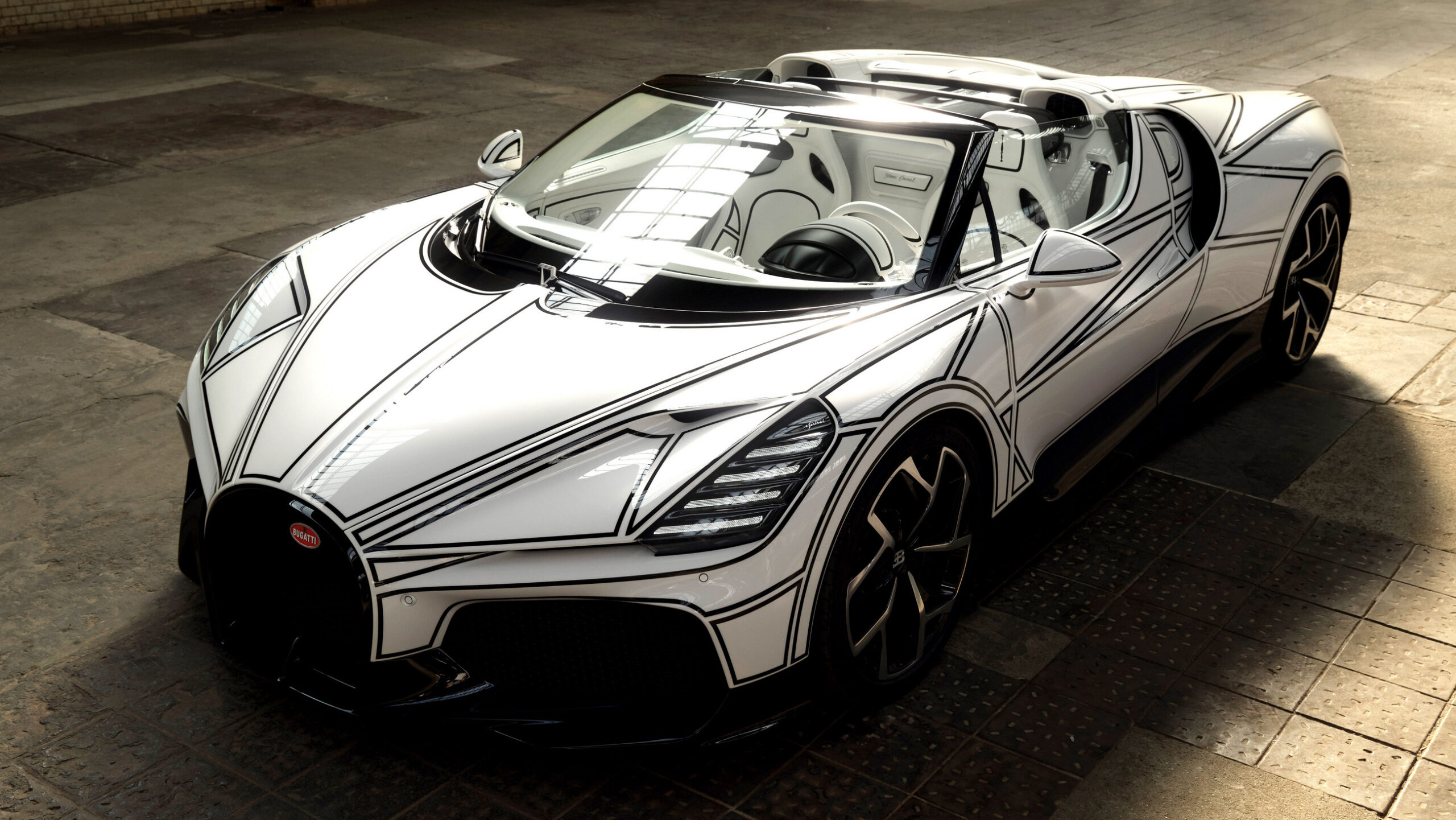
Blanc Éternel Hides Its Speed Behind a Gas Cap
Bugatti built a 261-mph roadster and made sure you'd notice the porcelain first.
From the other desks.

Gold Leaf on a Lacquer Dial, and the Weight of What That Costs
Awake's Frosted Leaf Royal Blue asks a question Vietnamese craft has never quite had to answer at this price.

ESPN Named Him. Then Unnamed Him. Nobody's Explaining the Gap.
A retraction without a reckoning is just a deleted link.

Hide My Email Has Been Showing Your Email
Apple's privacy flagship has a hole in it. They've known for over a year.