Hongqi Doesn't Need Europe's Blessing. It Needs a Loading Dock.
When China's most storied car brand eyes a Stellantis plant in Spain, it isn't asking for acceptance — it's acquiring logistics.
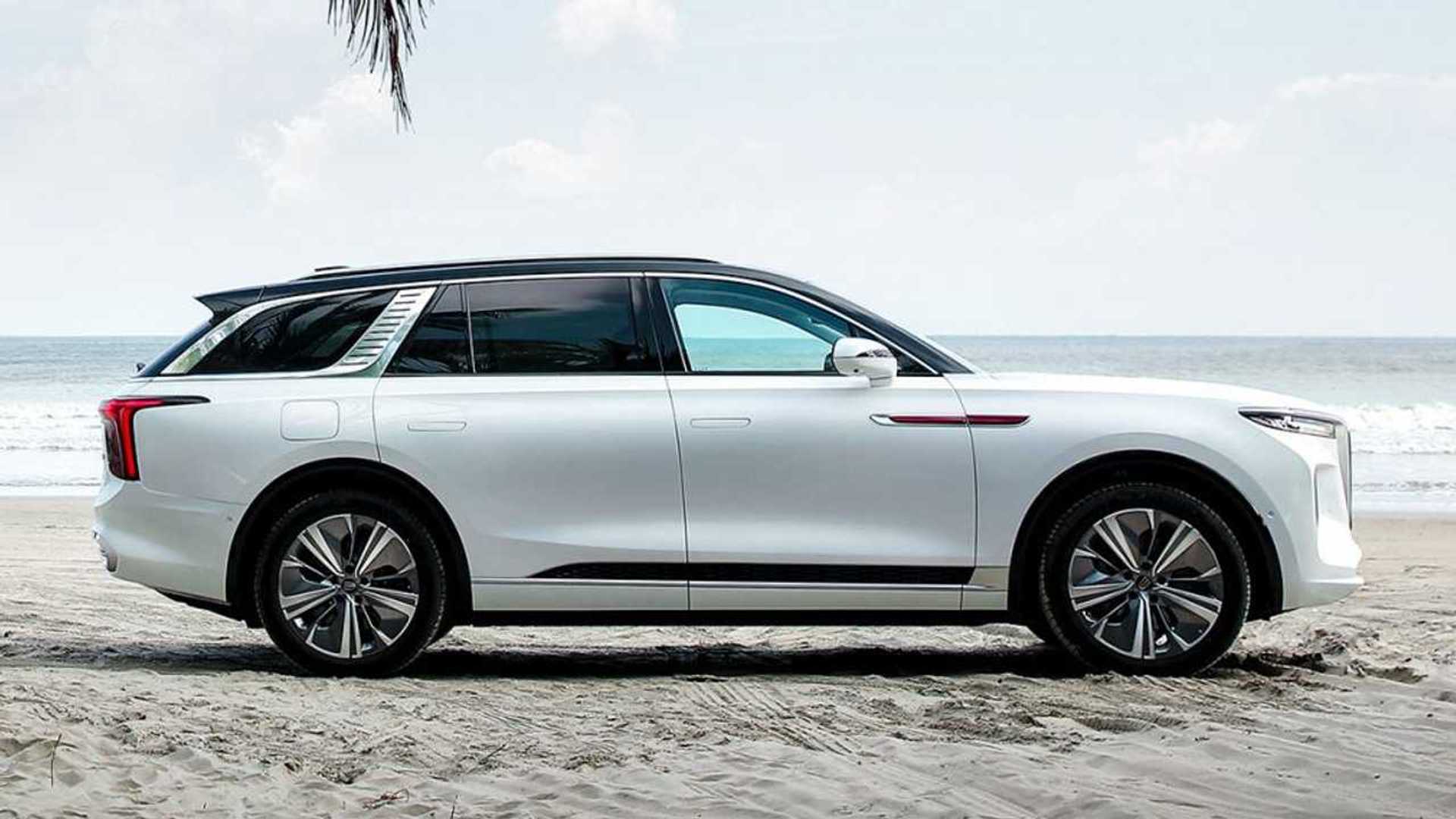
Photo · InsideEVs - Articles
The Shortcut Isn't a Shortcut
A writer at InsideEVs has flagged something worth sitting with: Hongqi — a brand that once carried Chairman Mao through the streets of Beijing — may be moving toward using a Stellantis facility in Spain to accelerate its European push. The framing in the piece calls it a shortcut. I'd call it something more deliberate than that.
Because shortcuts imply improvisation. What this looks like, from the outside, is strategy — patient, infrastructure-first, unbothered by the usual anxieties about brand legitimacy that seem to preoccupy everyone watching from the European side of this story.
Hongqi doesn't need a European heritage story. It has its own. The question was never whether the brand belonged in this market — it was always about where to plug in the assembly line.
What the Plant Actually Solves
The practical logic here is hard to argue with. Tariffs on Chinese-made EVs entering Europe have become a genuine wall, not a speed bump. Building or assembling inside Europe changes the math entirely. A Stellantis plant in Spain isn't a concession to European taste — it's a tariff workaround dressed in industrial real estate.
And Stellantis, for its part, has excess capacity it needs to fill. That's not commentary — that's the shape of the current European auto landscape. So you have a Chinese brand with ambition and a European manufacturer with empty floor space, and the deal that potentially connects them isn't about culture or brand alignment. It's about utilization rates and duty codes.
What's interesting about the InsideEVs piece isn't the reporting itself — it's that this framing exists at all. The headline positions Hongqi as finding a shortcut, which implies the front door was the expected path. But Chinese automakers have watched the front door closely enough to know it opens slowly, if at all, for brands without decades of European dealership infrastructure behind them.
The plant in Spain, if this moves forward, isn't a shortcut. It's the actual door.
There's a version of this story that gets told as disruption — Chinese brand invades European market, upends the establishment, etc. That version is lazy. What's actually happening is more interesting: a brand with genuine historical weight and a domestic market large enough to fund serious product development is making a calculated, unglamorous infrastructure decision. No press event. No concept car reveal in Geneva. Just the quiet acquisition of production capability inside the tariff boundary.
The cars themselves — Hongqi's EVs — are, by the account in the source, positioned at the top of the market. This isn't a budget play. This is a brand that sees itself competing at the level where Rolls-Royce and Bentley operate, and it's entering Europe not with a PR campaign but with a manufacturing foothold.
That's a different kind of confidence. The kind that doesn't need validation before it moves.
Europe will have opinions about this. It always does. But the brands that have waited for European opinion to warm up organically have largely waited too long. Hongqi appears to have looked at the map, found the gap between tariff exposure and local production, and driven straight through it.
The loading dock was always the point of entry. It just took someone willing to say so.
Keep reading cars.

800 Horsepower, One Ton of Doubt
Lamborghini built the most powerful SUV it's ever made. It's also slower than what it replaced.

£11,990 Draws a Line Under Every Excuse You Had Left
Dacia just made the cheapest new car in Britain electric — and that's not a footnote, it's a verdict.
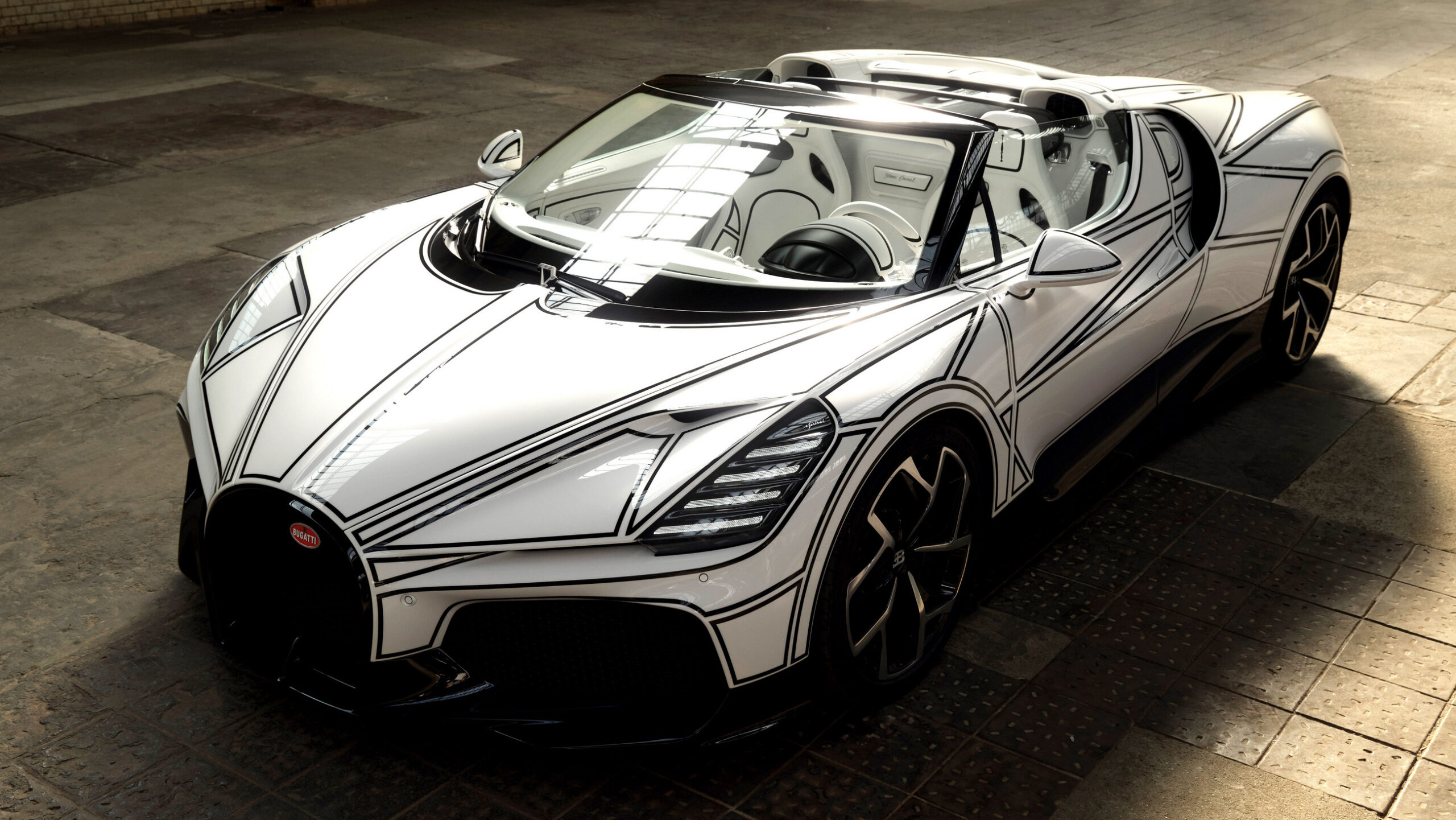
Blanc Éternel Hides Its Speed Behind a Gas Cap
Bugatti built a 261-mph roadster and made sure you'd notice the porcelain first.
From the other desks.

Gold Leaf on a Lacquer Dial, and the Weight of What That Costs
Awake's Frosted Leaf Royal Blue asks a question Vietnamese craft has never quite had to answer at this price.

ESPN Named Him. Then Unnamed Him. Nobody's Explaining the Gap.
A retraction without a reckoning is just a deleted link.

Hide My Email Has Been Showing Your Email
Apple's privacy flagship has a hole in it. They've known for over a year.