Nio Swapped a Million Batteries Last Week. You Waited 30 Minutes.
While the West debates plug standards, one Chinese automaker just made the charging argument obsolete.

Photo · InsideEVs - Articles
The Number That Should Embarrass Someone
A million battery swaps. One week. That's not a press release metric inflated to impress analysts — that's an operational reality that a writer at InsideEVs felt compelled to put in a headline because the gap has grown wide enough to require documentation.
Nio has now crossed 100 million total swaps. That number doesn't arrive at once; it accumulates the way confidence does — quietly, then undeniably. And somewhere between the first swap station and the hundred-millionth exchange, the conversation stopped being about whether battery swapping could work and started being about why everyone else is still threading a cable into a parking garage.
The Western EV industry spent years telling us that swapping was impractical. Too complex. Too expensive to standardize. Better to invest in faster charging. And fast charging did get faster — genuinely. But faster still isn't instant, and the math of a road trip doesn't care about your philosophical preference for a particular refueling paradigm. Three minutes to swap versus thirty to charge is not a rounding error. It's the difference between a pit stop and a lunch break.
What "Gimmick" Actually Means
There's a particular kind of dismissal that gets applied to Chinese tech innovations before they scale, and Nio's swap network collected its share of it. The word "gimmick" does a lot of work in those conversations — it lets you acknowledge a thing exists without having to reckon with what it means.
The InsideEVs piece pushes back on that framing directly. Nio's battery swapping, the piece argues, isn't a gimmick. It's infrastructure. And infrastructure, once it reaches a certain density, stops being an advantage and starts being the baseline against which everything else gets measured.
That's where we are now. A million swaps in a single week is a cadence. It means the stations are placed right, the software works, the process has been debugged at scale. It means drivers trust it — which is the hardest metric to manufacture and the one no marketing budget can fake.
What I keep coming back to is the asymmetry of the argument. The West is still negotiating adapter standards, still arguing about grid capacity, still explaining to new EV owners why a thirty-minute stop at a highway charger is actually fine once you recalibrate your expectations. Meanwhile, one company in China just executed a million battery exchanges in seven days and the main Western reaction is a moderately viral article.
The threat was always that China would get there first. The unsettling update is that "first" was a while ago — we just weren't watching the lap counter.
You don't close a gap like this with a firmware update.
Keep reading cars.

800 Horsepower, One Ton of Doubt
Lamborghini built the most powerful SUV it's ever made. It's also slower than what it replaced.

£11,990 Draws a Line Under Every Excuse You Had Left
Dacia just made the cheapest new car in Britain electric — and that's not a footnote, it's a verdict.
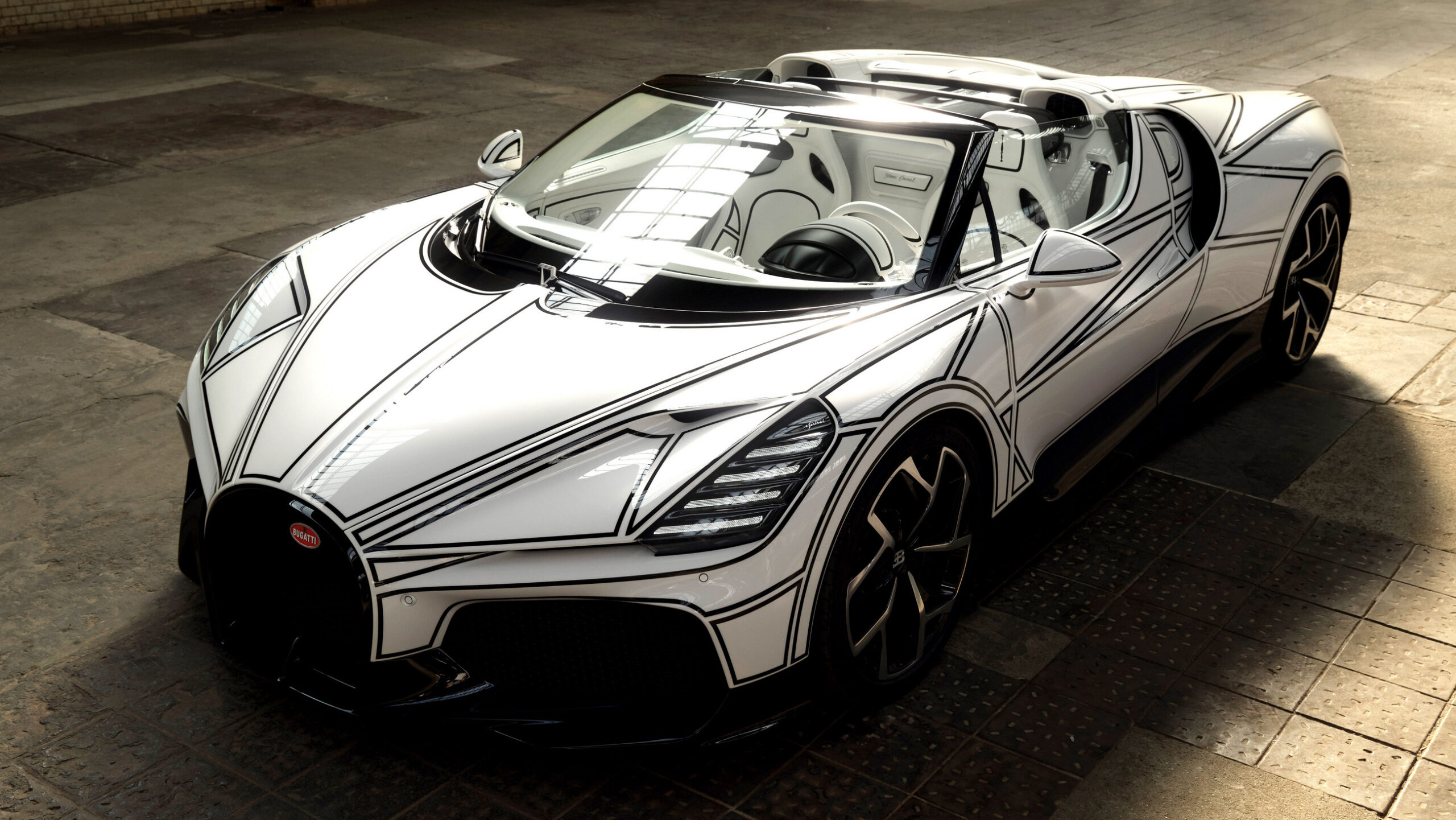
Blanc Éternel Hides Its Speed Behind a Gas Cap
Bugatti built a 261-mph roadster and made sure you'd notice the porcelain first.
From the other desks.

Gold Leaf on a Lacquer Dial, and the Weight of What That Costs
Awake's Frosted Leaf Royal Blue asks a question Vietnamese craft has never quite had to answer at this price.

ESPN Named Him. Then Unnamed Him. Nobody's Explaining the Gap.
A retraction without a reckoning is just a deleted link.

Hide My Email Has Been Showing Your Email
Apple's privacy flagship has a hole in it. They've known for over a year.