BMW Found a Third Option Nobody Was Offering
While the rest of the industry was busy killing engines, BMW went back to the 1970s and found a way to keep them.
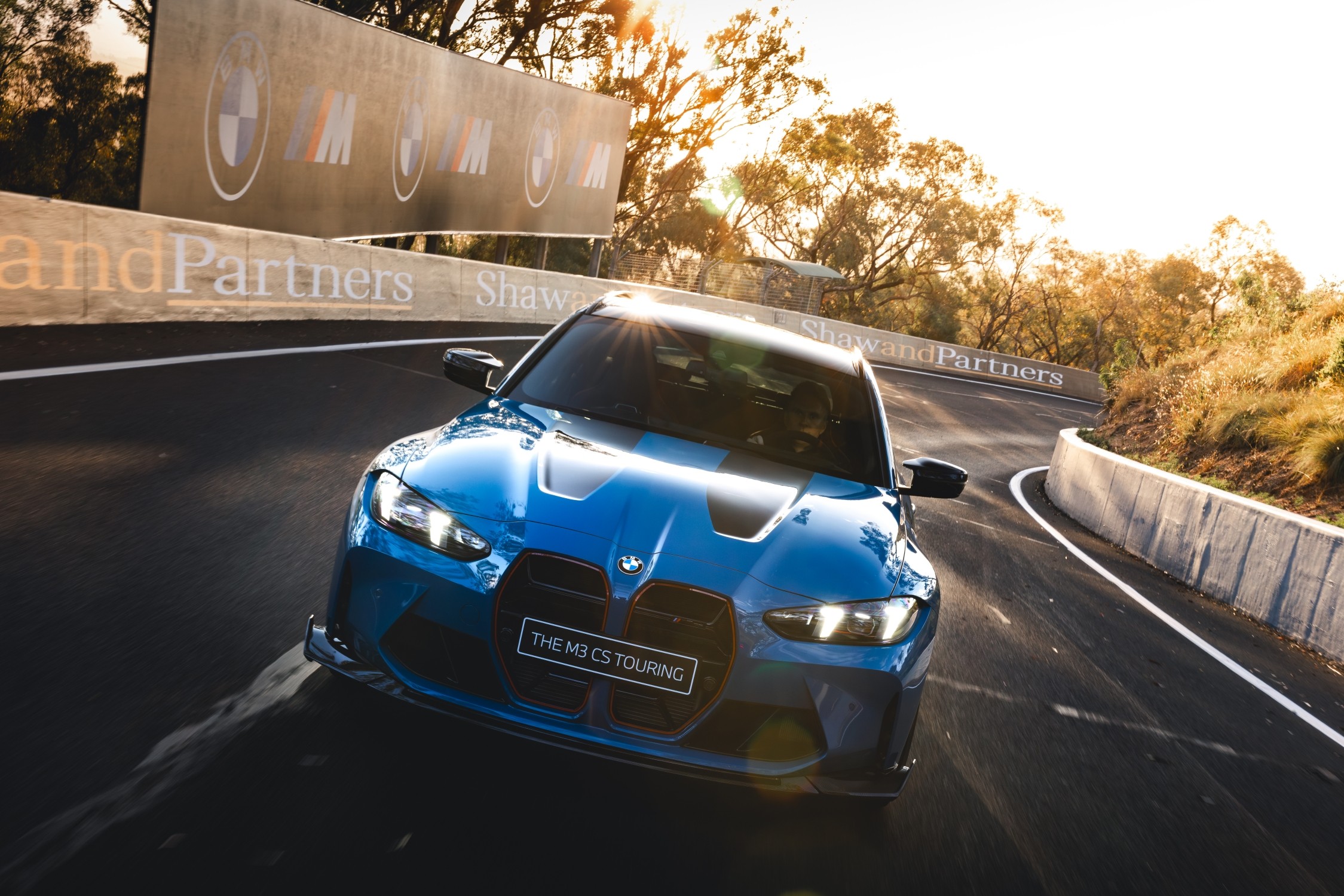
Photo · MotorBiscuit
The conventional wisdom on Euro 7 went like this: comply or suffer. Hybridize the lineup, shrink the displacement, issue a press release about your commitment to a cleaner future, and wait for the complaints to die down. Mercedes-AMG ran that play with the C63. Swapped out the engine enthusiasts loved for a hybrid four-cylinder. The market responded the way markets do when they feel lied to — poorly. BMW watched all of this and apparently decided there was a third option nobody was offering.
They went looking for a loophole. They found one. It's about fifty years old.
The Tech
According to reporting from The Autopian, BMW is working with a technology that traces its lineage back to Honda engineering from the 1970s — a stratified charge approach that gives the combustion process more precision, reducing the harmful emissions that Euro 7 is specifically designed to target. It's not hybridization. It's not electrification. It's a refinement of how the engine burns fuel in the first place, pursued far enough that BMW has patented their version of it.
MotorBiscuit frames the same story as BMW keeping its petrol M cars alive — which is the more human way to say it. Because that's what's actually at stake. Not a compliance checkbox. Not a regulatory filing. The soul of a product line that built the brand's performance reputation, now surviving on the back of chemistry BMW was apparently willing to invest in rather than abandon.
The contrast with the AMG path deserves a moment. Four-cylinder hybrids are not inherently bad engineering — in the right context they're remarkable. But stuffing one into a car that was celebrated precisely for what it replaced is a different proposition. Enthusiasts aren't irrational about this. They're mourning something specific. BMW's bet is that you don't have to make them mourn at all.
What This Confession Actually Means
Here's the part both sources gesture toward without quite saying it directly: this is legacy engineering culture fighting back. The Euro 7 narrative has been, almost universally, that the combustion engine is on borrowed time — that every new regulation is another nail, and the only question is how fast manufacturers drive it in. BMW's patent suggests a different reading. That there's still unexplored territory inside the internal combustion engine. That fifty years of refinement haven't fully exhausted what the technology can do.
That's either genuinely exciting or a very expensive delay tactic. Maybe both.
What's clear is that BMW made a choice about what their M cars are for. Not every car has to be a transitional object on the road to electrification. Some cars are allowed to be what they are — loud, precise, combustion-powered — if the engineering can justify it. And BMW is betting the engineering can.
The industry spent years telling us the engine was dead. BMW just filed a patent that says not yet.
Keep reading cars.

800 Horsepower, One Ton of Doubt
Lamborghini built the most powerful SUV it's ever made. It's also slower than what it replaced.

£11,990 Draws a Line Under Every Excuse You Had Left
Dacia just made the cheapest new car in Britain electric — and that's not a footnote, it's a verdict.
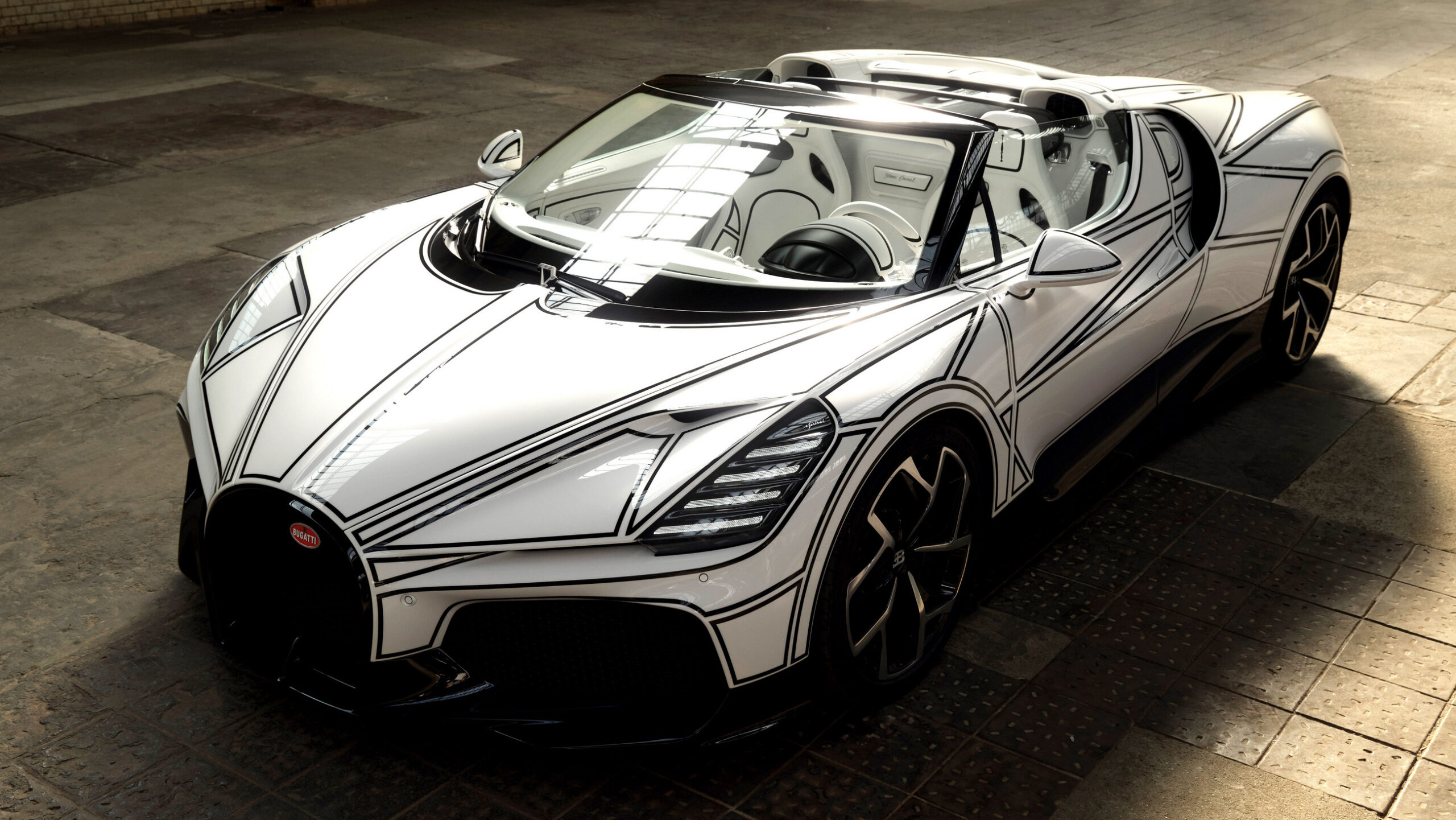
Blanc Éternel Hides Its Speed Behind a Gas Cap
Bugatti built a 261-mph roadster and made sure you'd notice the porcelain first.
From the other desks.

Gold Leaf on a Lacquer Dial, and the Weight of What That Costs
Awake's Frosted Leaf Royal Blue asks a question Vietnamese craft has never quite had to answer at this price.

ESPN Named Him. Then Unnamed Him. Nobody's Explaining the Gap.
A retraction without a reckoning is just a deleted link.

Hide My Email Has Been Showing Your Email
Apple's privacy flagship has a hole in it. They've known for over a year.