Gas at $4.55 and Still Nobody's Convinced — That's Not a Math Problem
A new survey shows Americans don't believe EVs save money. The numbers aren't the issue.

Photo · Latest Content - Autoweek
The Trust Deficit
Autoweek has a piece up right now that should bother the industry more than it probably will. A survey finds that even with gas sitting at $4.55 a gallon, Americans remain deeply skeptical that electric vehicles actually save them money. Not uninterested. Not priced out. Skeptical. That's a different thing entirely, and the distinction matters more than any incentive program the government can cook up.
The survey results, per the Autoweek coverage, show the American public is "massively misinformed" about EV ownership costs. That framing is technically accurate and also completely misses the point. Misinformed implies people wandered into confusion on their own. They didn't. They were led there — by a decade of overpromised range estimates, public chargers that didn't work, lease deals that expired without warning, and an industry that celebrated itself loudly every time it hit a milestone the average buyer had never asked for.
You don't get this level of distrust from ignorance alone. You earn it.
What the Pump Tells You
$4.55 is real money. It's the kind of number that makes people do actual arithmetic in their heads while standing at the pump, watching the total climb past sixty dollars before the tank is half full. If there were ever a moment when the economic case for an EV should write itself, this is it. And yet the survey says it isn't landing. People aren't running the numbers and choosing gas anyway — they're not believing the numbers exist.
That's the tell. When pain is this immediate and the alternative still can't close the deal, the problem isn't the price of electricity versus the price of gasoline. The problem is that nobody trusts the entity delivering the message. Not the manufacturer. Not the government. Not the headline that says you'll save thousands annually, because the last headline like that forgot to mention the charging costs, the insurance delta, the depreciation curve.
The Autoweek piece exists because someone noticed an anomaly: high gas prices used to be the EV industry's best sales tool, and now they're not working. That's worth sitting with. It means the industry has burned through the goodwill that was supposed to be its runway.
There's also something worth saying about what "saving money" even means to someone buying a car. The transaction isn't purely rational. It never was. People buy trucks they'll never use for hauling. They buy sports cars they'll never push past the speed limit. They buy things that feel right, feel safe, feel like them. An EV asking someone to change their fueling habits, their planning habits, their mental model of range — that's not a math equation. That's a relationship ask. And you don't make that ask successfully when the other party already doesn't trust you.
The industry keeps responding to skepticism with more data. Better data. Clearer charts. It's the wrong instinct. Data from a source you don't trust doesn't reassure you — it makes you more suspicious. The question isn't whether EVs save money. For many buyers, in many situations, they probably do. The question is whether anyone with a stake in selling them is capable of saying so in a way that sounds like honesty rather than a pitch.
So far, the answer is no. And $4.55 a gallon isn't changing that.
The pump is making the argument. The industry just can't get out of its own way long enough to let it land.
Keep reading cars.

800 Horsepower, One Ton of Doubt
Lamborghini built the most powerful SUV it's ever made. It's also slower than what it replaced.

£11,990 Draws a Line Under Every Excuse You Had Left
Dacia just made the cheapest new car in Britain electric — and that's not a footnote, it's a verdict.
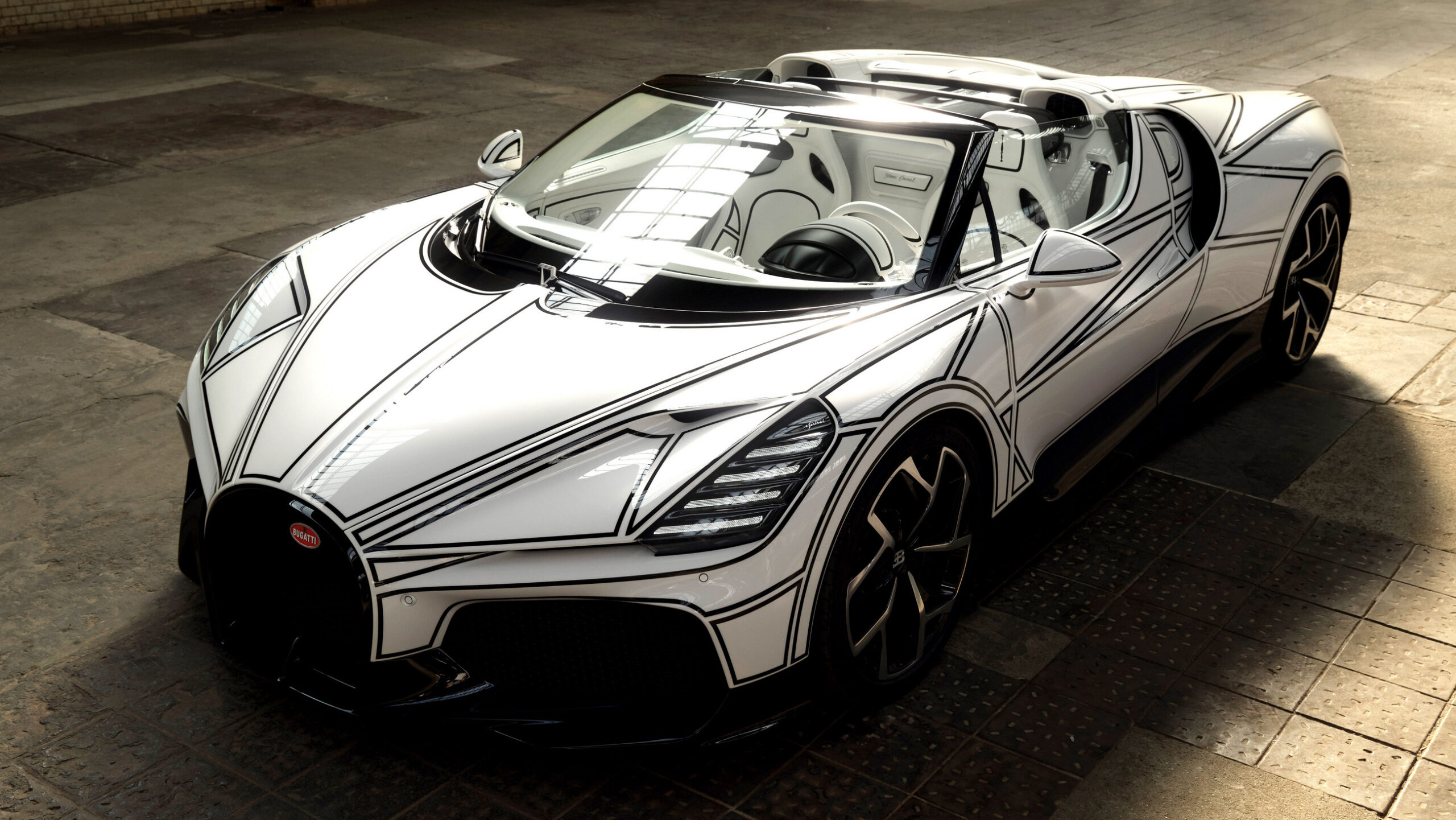
Blanc Éternel Hides Its Speed Behind a Gas Cap
Bugatti built a 261-mph roadster and made sure you'd notice the porcelain first.
From the other desks.

Gold Leaf on a Lacquer Dial, and the Weight of What That Costs
Awake's Frosted Leaf Royal Blue asks a question Vietnamese craft has never quite had to answer at this price.

ESPN Named Him. Then Unnamed Him. Nobody's Explaining the Gap.
A retraction without a reckoning is just a deleted link.

Hide My Email Has Been Showing Your Email
Apple's privacy flagship has a hole in it. They've known for over a year.