Nissan Looked at the Turbo-Four Trend and Said No Thanks
The new Xterra is keeping its V6, and that's either the most stubborn decision in the segment or the smartest one.
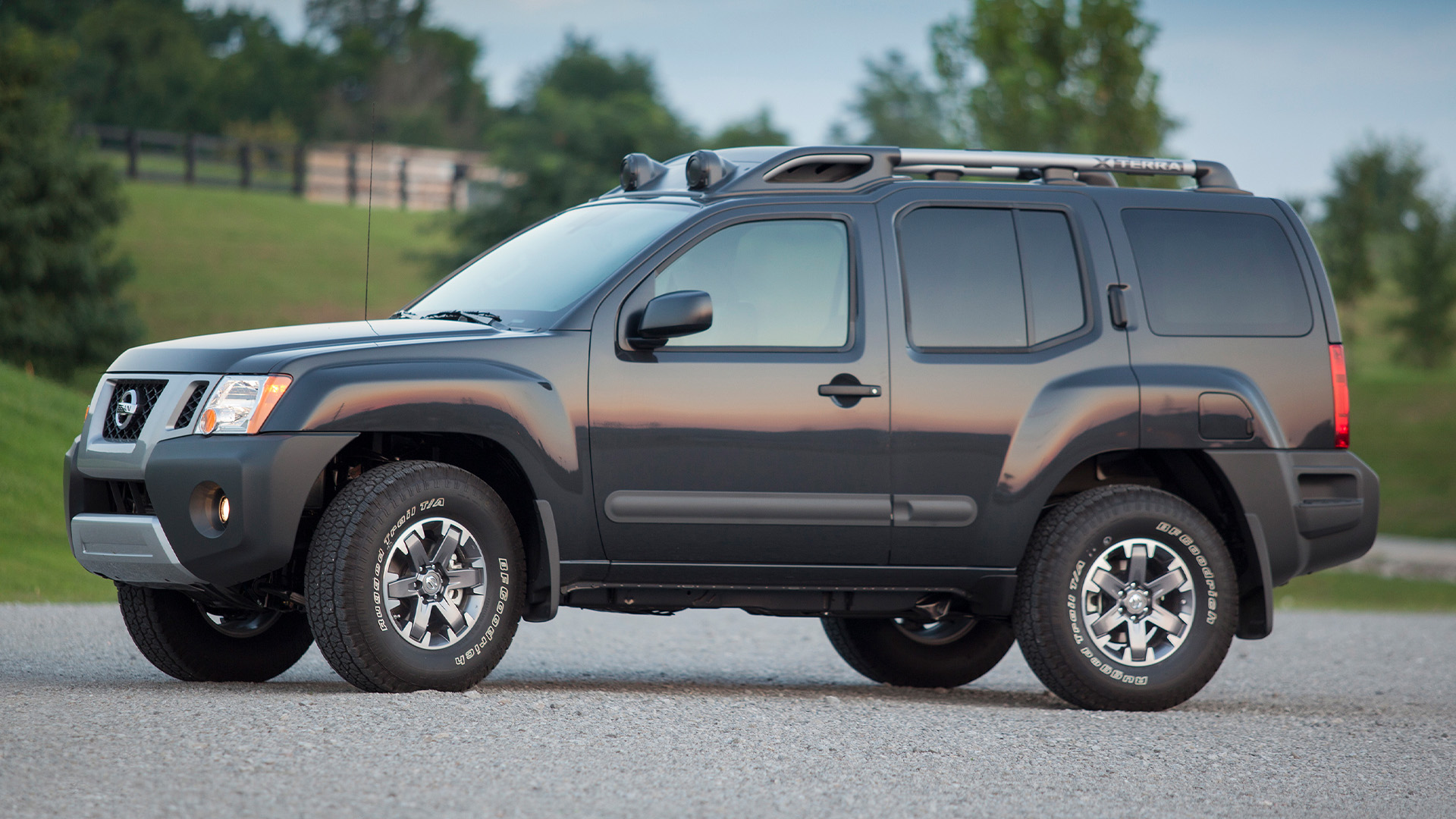
Photo · The Drive
Nissan is putting a V6 in the new Xterra. Not a turbocharged four with a clever tune and a marketing sheet full of torque figures. A V6. The kind of engine that doesn't need explaining at a trailhead.
Every other manufacturer is chasing efficiency numbers with small-displacement boost. Some of those engines are genuinely good. The Ford Bronco's 2.3 is a real piece of engineering. The new Tacoma's 2.4 turbo-four makes a compelling case on paper. But there's a growing list of trail rigs that feel like they're working too hard to sound effortless — engines hunting for the right gear, turbos spooling up a half-second after you needed them. Nissan looked at all of it and decided their buyer doesn't want that.
They're probably right.
The Buyer They're Building For
The Xterra has always been a truck person's SUV — bought by people who actually use the thing, not people who like the idea of using it. The first generation built a cult following not because it was the most capable off-roader on the market, but because it was honest. Roof rack. V6. Get in. When Nissan killed it in 2015, the people who mourned it weren't cross-shopping the Murano. They were driving their old one until the wheels came off.
That buyer knows what a V6 sounds like under load. They've felt one pull a trailer up a mountain grade without drama, without the engine note climbing into something anxious. The sound matters. The linearity matters. Efficiency is a nice bonus. It's not why they showed up.
A naturally aspirated V6 also has a real advantage that spec sheets undervalue: predictability. There's no lag, no threshold where the power suddenly arrives. At low speeds on technical terrain — the kind of driving where you're feathering the throttle over loose rock — that matters more than peak horsepower.
What Stubbornness Can Look Like
There's a version of this decision that's just inertia — an automaker too slow to adapt, too comfortable with the familiar. That reading isn't crazy. Nissan has made some genuinely puzzling product choices in the last decade. The possibility that this is accidental conviction rather than earned conviction is real.
But there's another version. One where someone actually looked at the Xterra's original owners, looked at the people who kept asking when it was coming back, and made a call based on that specific group rather than the segment average. In 2025, when almost every product decision gets filtered through conquest buyer projections and efficiency mandates, that's close to radical.
The segment is crowded now in a way it wasn't when the original Xterra launched. The Bronco. The 4Runner. The Defender, if your budget stretches. The Wrangler, always the Wrangler. Every one of them is making a personality argument, not just a capability argument. The Xterra's V6 is Nissan's entry into that conversation — a signal about what kind of machine this is before you've even looked at the spec sheet.
The Xterra doesn't need to win a comparison test. It needs to be the thing its people reach for without thinking twice. Keeping the V6 is a statement that Nissan knows who those people are — and decided they were worth building for.
Keep reading cars.

800 Horsepower, One Ton of Doubt
Lamborghini built the most powerful SUV it's ever made. It's also slower than what it replaced.

£11,990 Draws a Line Under Every Excuse You Had Left
Dacia just made the cheapest new car in Britain electric — and that's not a footnote, it's a verdict.
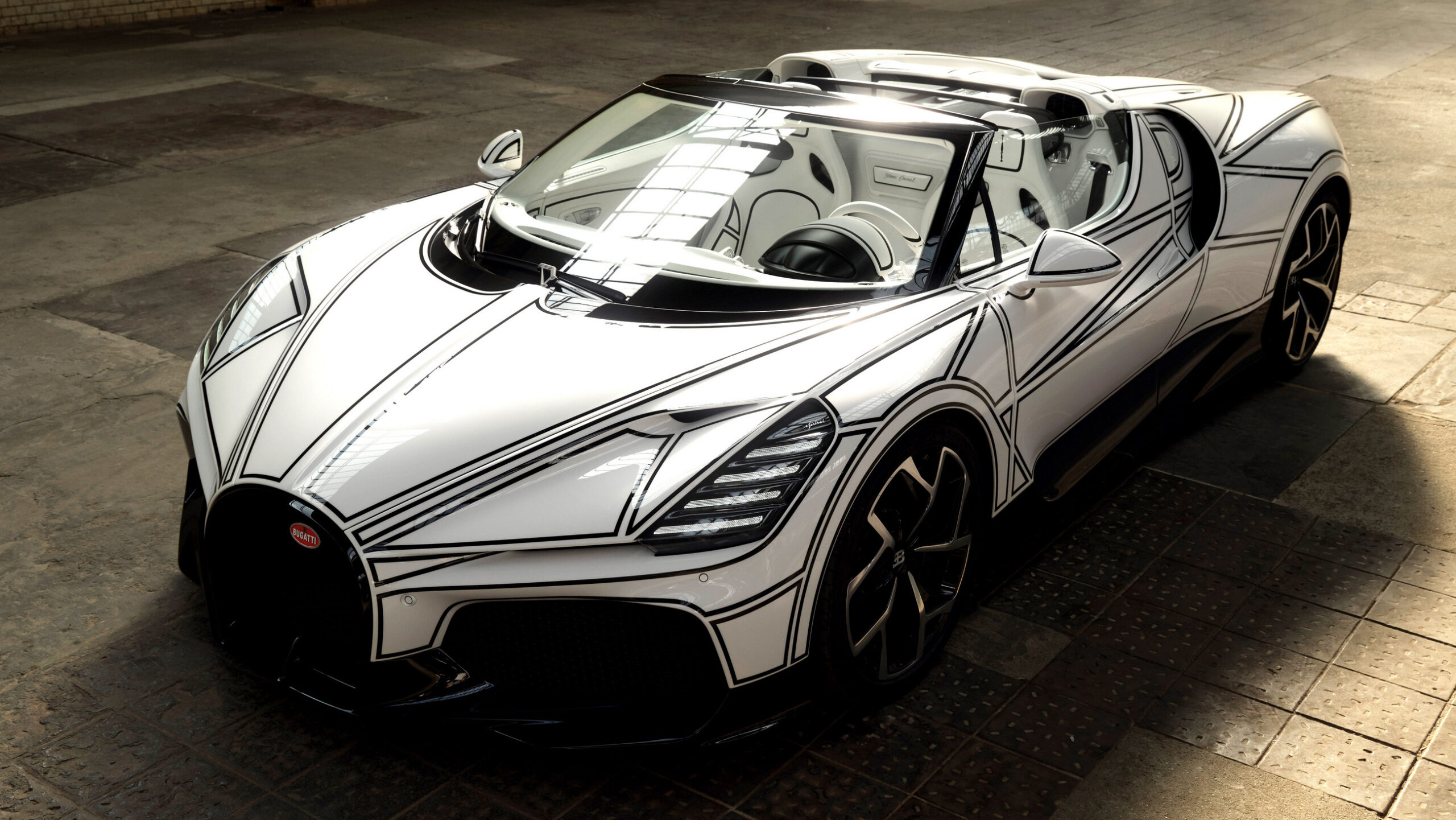
Blanc Éternel Hides Its Speed Behind a Gas Cap
Bugatti built a 261-mph roadster and made sure you'd notice the porcelain first.
From the other desks.

Gold Leaf on a Lacquer Dial, and the Weight of What That Costs
Awake's Frosted Leaf Royal Blue asks a question Vietnamese craft has never quite had to answer at this price.

ESPN Named Him. Then Unnamed Him. Nobody's Explaining the Gap.
A retraction without a reckoning is just a deleted link.

Hide My Email Has Been Showing Your Email
Apple's privacy flagship has a hole in it. They've known for over a year.