Rivian Kept the Battery Cool. The Driver Sweated.
A software update in Amazon's delivery vans cuts A/C to protect the battery — and the gap between what the van needs and what the person inside it needs just became impossible to ignore.
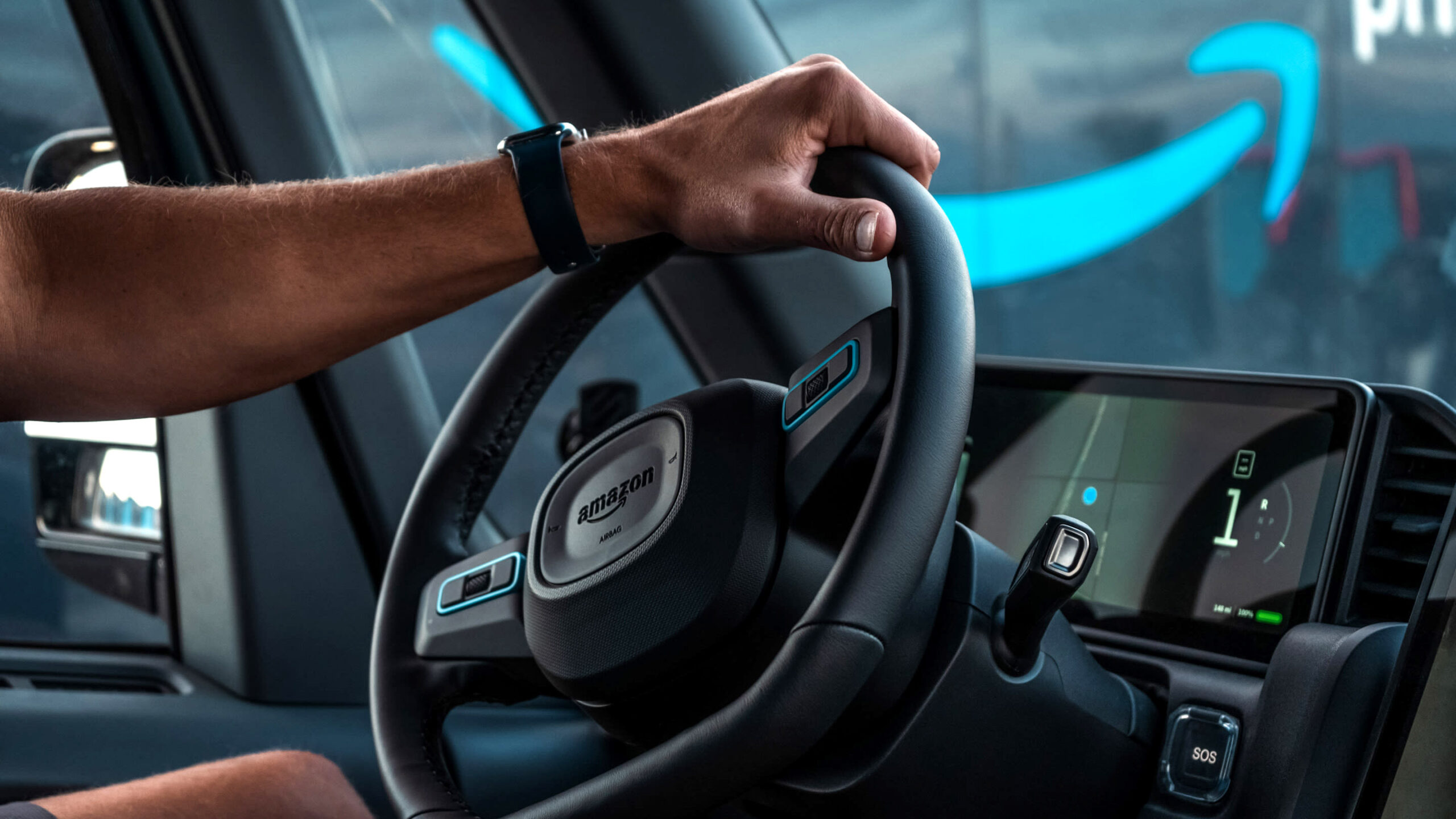
Photo · Carscoops
Here is what the van knows: the door is open, the battery is warm, and the math says something has to give. Here is what the van does not know: it's August, it's a parking lot, and there's a human being standing in the middle of it.
That's the situation Amazon delivery drivers found themselves in after a software update rolled out to Rivian-built electric vans. According to reporting from both 404 Media and Carscoops, the update cuts air conditioning — either after ten minutes under certain conditions, or after as little as thirty seconds when a door is open. The logic, presumably, is thermal management. Protect the battery. Keep the vehicle operational. Keep the route running.
Amazon and the drivers are not telling the same story about this. Amazon's version, as covered by Carscoops, frames the change as something other than what drivers are experiencing. The drivers' version is simpler and more visceral: the A/C shuts off, the cab heats up, and they're back to work in conditions that public health agencies have specific, urgent things to say about.
The Van Is Fine. That's The Problem.
EV thermal management is real engineering, not a conspiracy. Batteries don't like heat. They degrade faster, charge slower, and in extreme cases do things nobody wants them to do. The software making decisions about when to prioritize battery temperature over cabin temperature isn't rogue code — it's doing what it was probably designed to do.
But there's something worth sitting with here. The entire pitch of electrification — cleaner, smarter, better — has always carried an implicit promise that the technology would serve people more intelligently than what it replaced. A combustion van running its A/C while the door swings open is wasteful, sure. But it doesn't make a triage decision between the engine and the driver. It just runs.
When the software makes that call — when the system decides the battery's comfort outranks the operator's — the hierarchy becomes visible in a way that's hard to walk back. You can update the software. You can issue a statement. But the logic that produced that decision is baked into how these vehicles are designed to think about what matters.
What Amazon Sells and What Drivers Know
Delivery driving in summer heat is already a physically punishing job. The van is opened and closed dozens of times per shift. The driver is in and out, loading and unloading, standing on asphalt that holds heat like a cast iron pan. The cab is one of the few places in the day with any relief at all.
According to 404 Media's reporting, the update triggers the A/C cutoff specifically under those door-open conditions — the exact moments that define the rhythm of the job. It's not cutting A/C during highway cruising. It's cutting it during the hard part.
Amazon's public response, as noted by Carscoops, doesn't square cleanly with what drivers are describing. That gap — between the official account and the lived one — is its own kind of data point. It tells you something about how the people who built and deployed this system thought about whose experience needed explaining.
Rivian is building vehicles that are genuinely interesting, and the commercial van program with Amazon is one of the more ambitious fleet electrification efforts out there. None of that is in question. What's in question is simpler: when the algorithm runs the numbers on a hot afternoon, where does the driver rank?
Right now, apparently, below the battery.
Fix the software, sure. But understand what needed fixing.
Keep reading cars.
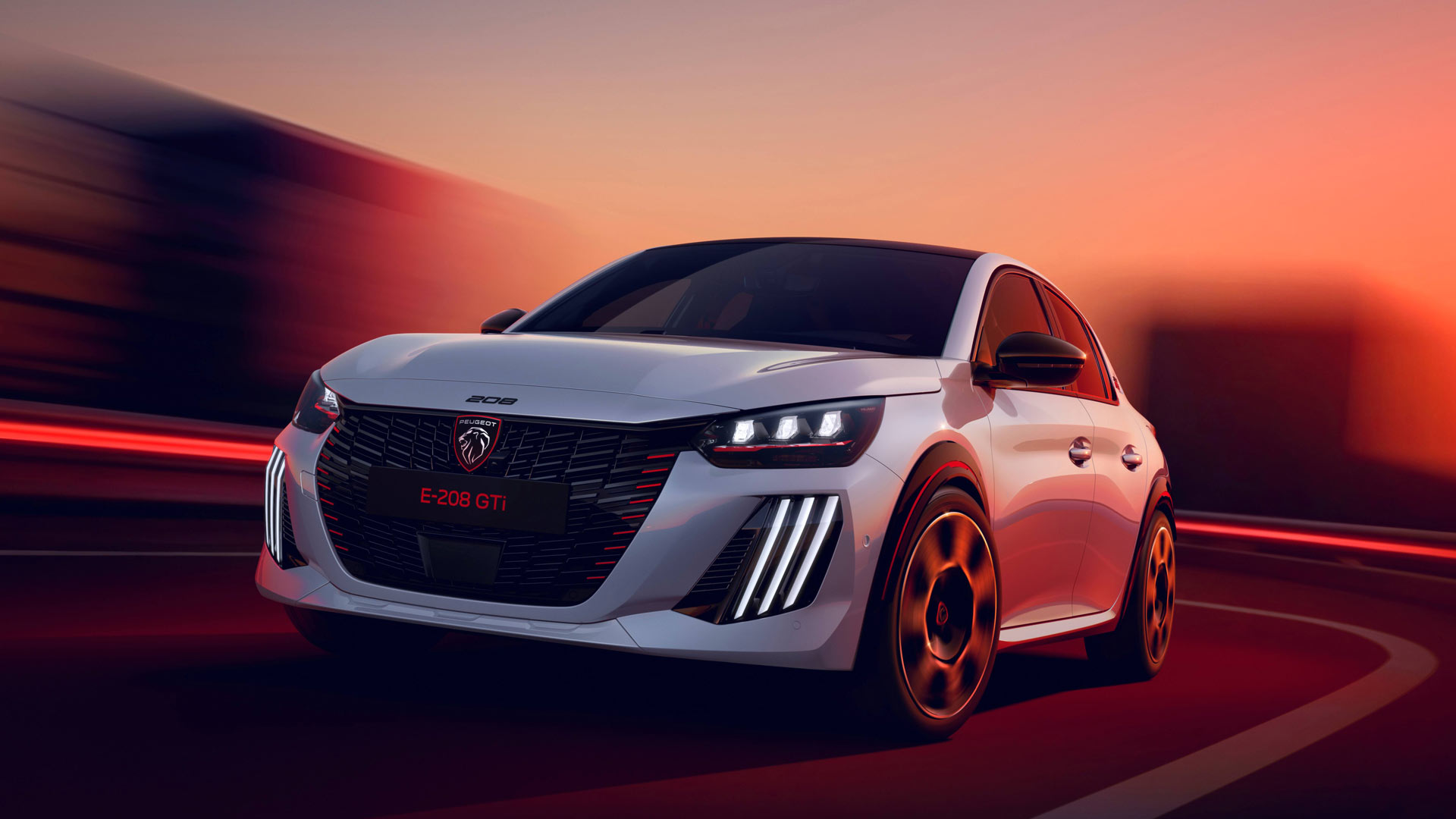
Two Electric Hatchbacks, One Uncomfortable Number: £5,000
When Leapmotor prices the B05 under £29,000 and Peugeot brings back the GTI badge on a hot electric hatch, the gap between them says more about the industry than either car does alone.
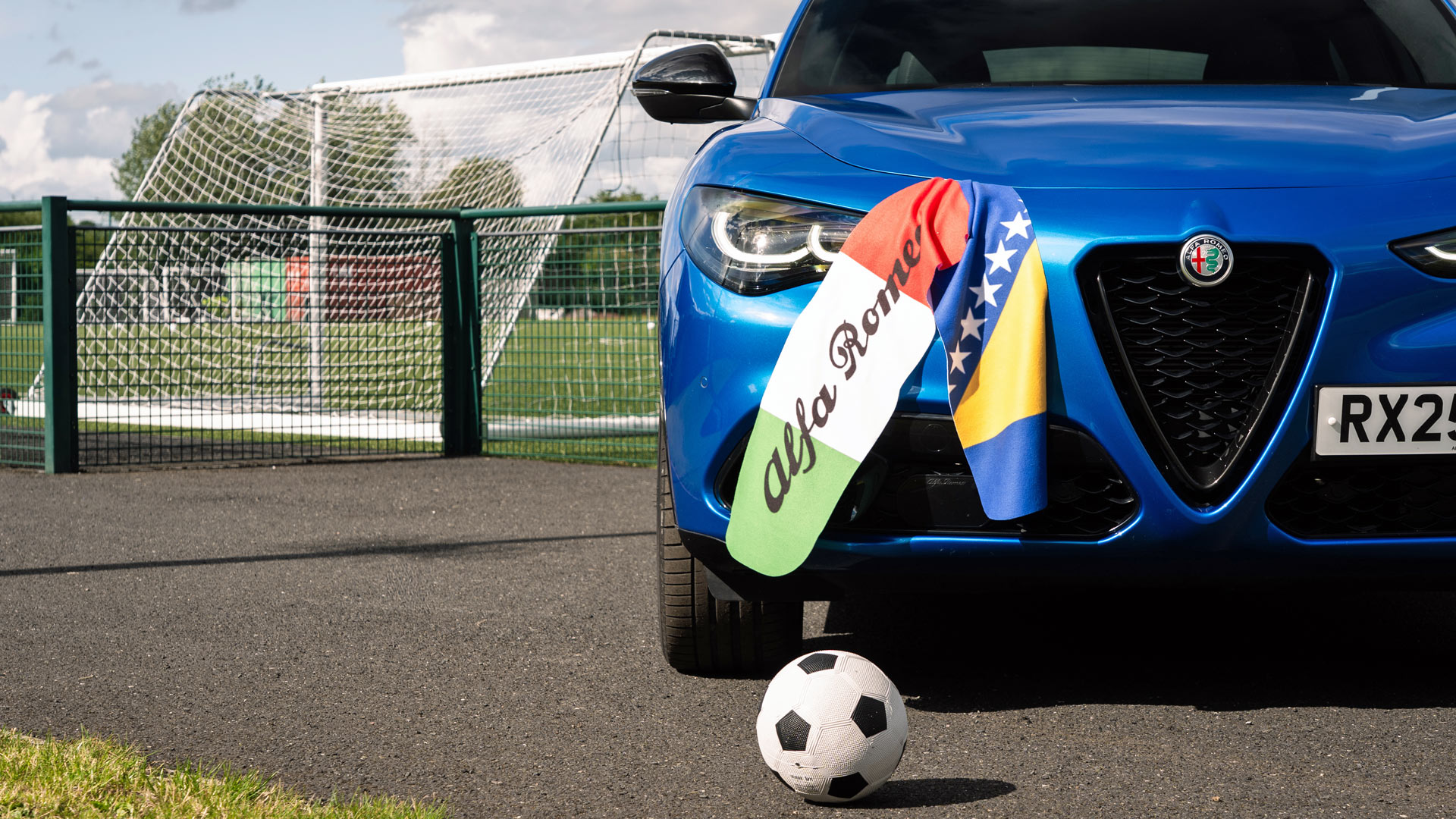
Alfa Romeo Is Cheering for Bosnia Now, and They'd Like You to Know It
A World Cup discount tied to a country Alfa Romeo has no business backing is either the dumbest sponsorship idea of the year or the most honest one.

Rivian Built a $45,000 Bet on Something Spreadsheets Can't Measure
The R2 isn't selling on range. It's selling on the feeling that someone actually thought it through.
From the other desks.

Isaac Mizrahi Went Back to Target, and This Time He's Teaching
A newly created role at a big-box retailer is either a footnote or a signal — and the details suggest it's the latter.

Dana White Threw the Party of His Career and Left Owing Money
The White House UFC event happened exactly once, and the man who made it happen says it will never happen again.

Nobody Budgeted for This
AI promised to pay for itself. Now IT departments are getting the actual invoice.