Tesla Wins. Nobody's Cheering.
Reclaiming the top EV sales spot means less when the crowd stopped watching.
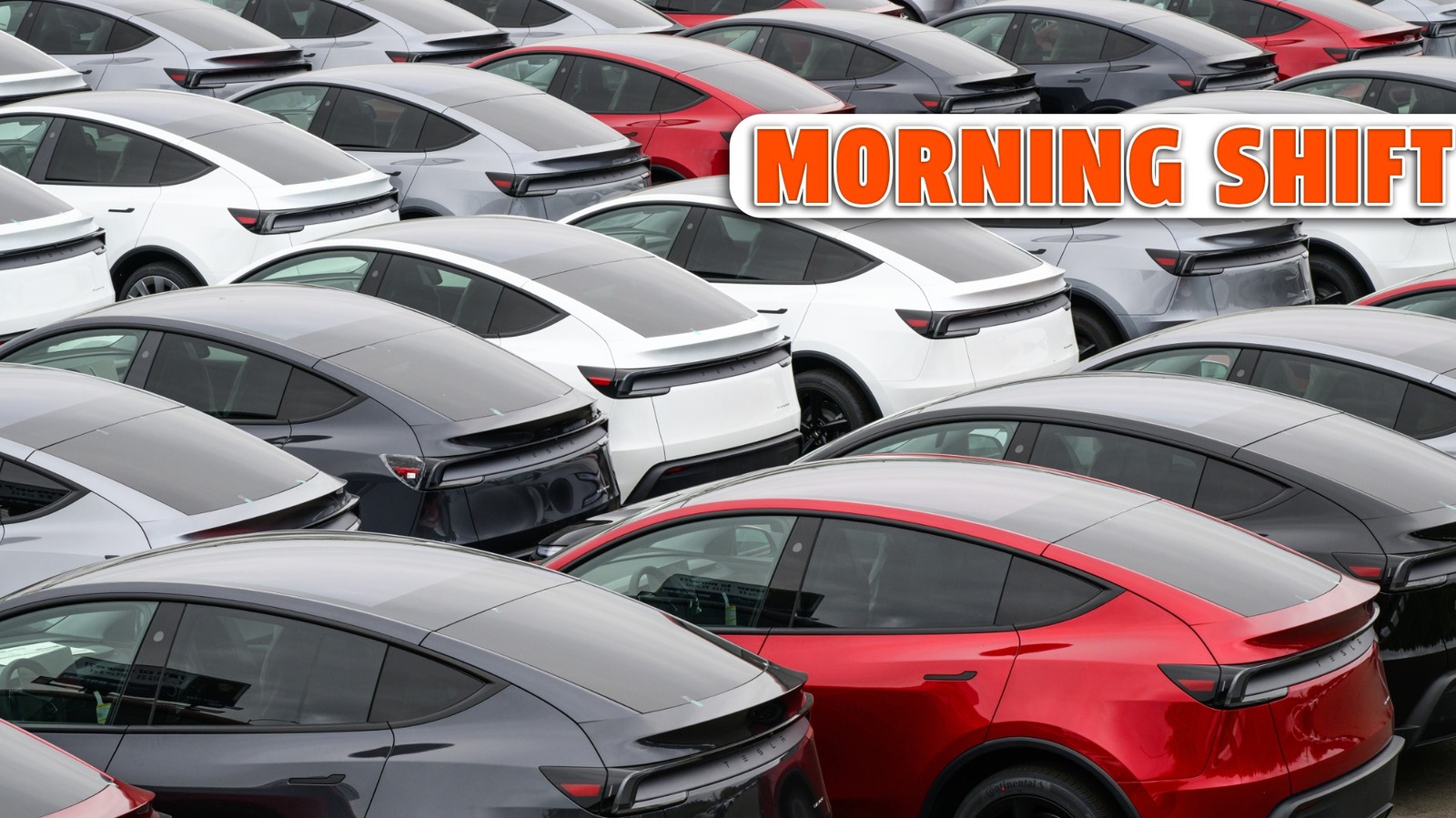
Tesla is number one again. BYD is number two. The scoreboard updated and almost nobody cared.
That's the thing about winning back a crown you lost to a company most Americans can't buy from — it reads more like a technicality than a triumph. The sales are real. The lead is real. The silence around it is also real.
Think about what Tesla's cultural position looked like in 2020. The wait lists. The referral codes traded like currency. The forums full of people counting down to delivery day. That energy didn't just cool — it curdled. Owners are still loyal. Skeptics are louder than they've ever been. And the middle — the people who were almost convinced, who had the app downloaded and a test drive scheduled — have quietly started looking at something else.
The Gap Between Volume and Momentum
BYD didn't beat Tesla by being flashier. They beat them by being relentless and cheap and good enough, which in most of the world is more than enough. Tesla clawed the number back, but BYD kept expanding into markets Tesla hasn't seriously touched. Eastern Europe. Southeast Asia. Latin America. They're not chasing Tesla's customer. They're building their own.
That's a more dangerous position to be in than the sales rank suggests. Volume leadership is a lagging indicator. It tells you what already happened. Momentum tells you what's about to.
Tesla's momentum story right now is complicated. The Cybertruck landed and became a culture war prop before it became a truck. The Model 3 refresh is genuinely good — sharper interior, better range, the kind of update that reminds you the underlying product is still strong. But a good product update doesn't automatically rebuild the emotional pull a brand needs to convert the unconvinced. People buy on feeling first and justify with specs later. The feeling around Tesla has shifted in ways that a longer range or a new headliner material can't fully fix.
The Industry Stress Isn't Going Anywhere
Zoom out and the broader picture isn't clean either. Legacy automakers are caught between an EV transition that's moving slower than their capital commitments assumed and a cost structure that was built for a different era. Workforces are being restructured faster than product lineups can justify it. The pressure isn't easing — it's just rotating between companies.
That context matters for Tesla too. They've already done the brutal cost-cutting. They run lean. But lean doesn't insulate you from a market that's developing its own preferences. Hyundai and Kia are putting genuinely desirable EVs on the road. GM's Ultium platform is finally producing vehicles people actually want. The competitive field that Tesla once lapped has been training hard.
The EV race has entered its second phase. Phase one was about who could get to market, who could build the infrastructure, who could prove the technology worked. Tesla won phase one decisively. Phase two is about who people actually want to buy from — not because there's no alternative, but because there are too many.
Volume alone won't answer that question. Neither will a press release about reclaiming the top spot.
The most interesting number in the EV market right now isn't who sold the most. It's who's on the consideration list of someone who's never bought one before. That's where the next decade gets decided.
Keep reading cars.

800 Horsepower, One Ton of Doubt
Lamborghini built the most powerful SUV it's ever made. It's also slower than what it replaced.

£11,990 Draws a Line Under Every Excuse You Had Left
Dacia just made the cheapest new car in Britain electric — and that's not a footnote, it's a verdict.
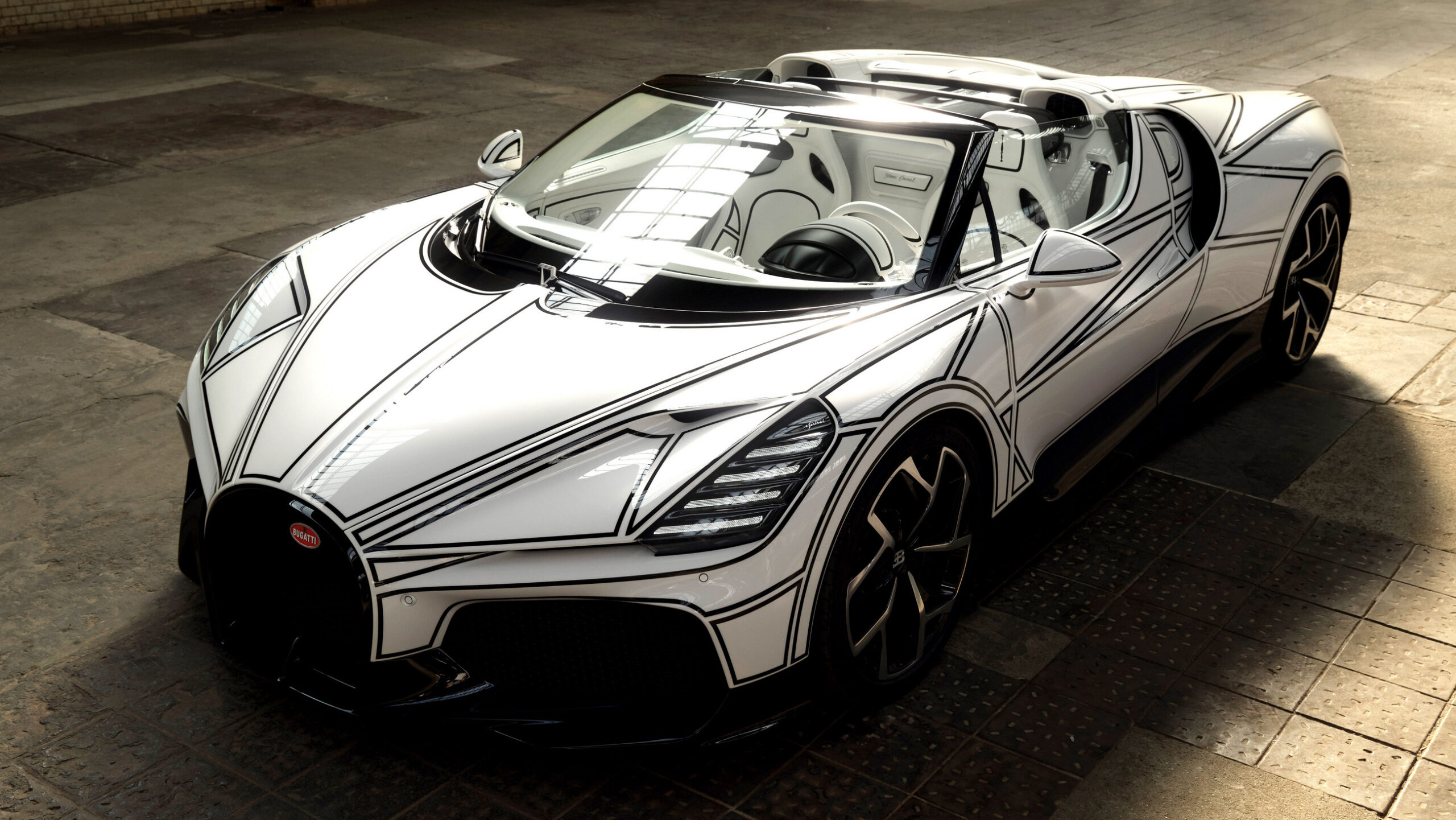
Blanc Éternel Hides Its Speed Behind a Gas Cap
Bugatti built a 261-mph roadster and made sure you'd notice the porcelain first.
From the other desks.

Gold Leaf on a Lacquer Dial, and the Weight of What That Costs
Awake's Frosted Leaf Royal Blue asks a question Vietnamese craft has never quite had to answer at this price.

ESPN Named Him. Then Unnamed Him. Nobody's Explaining the Gap.
A retraction without a reckoning is just a deleted link.

Hide My Email Has Been Showing Your Email
Apple's privacy flagship has a hole in it. They've known for over a year.