The Button Is Back, and Detroit Owes You an Apology
Screens were never the answer. The industry is finally admitting it.
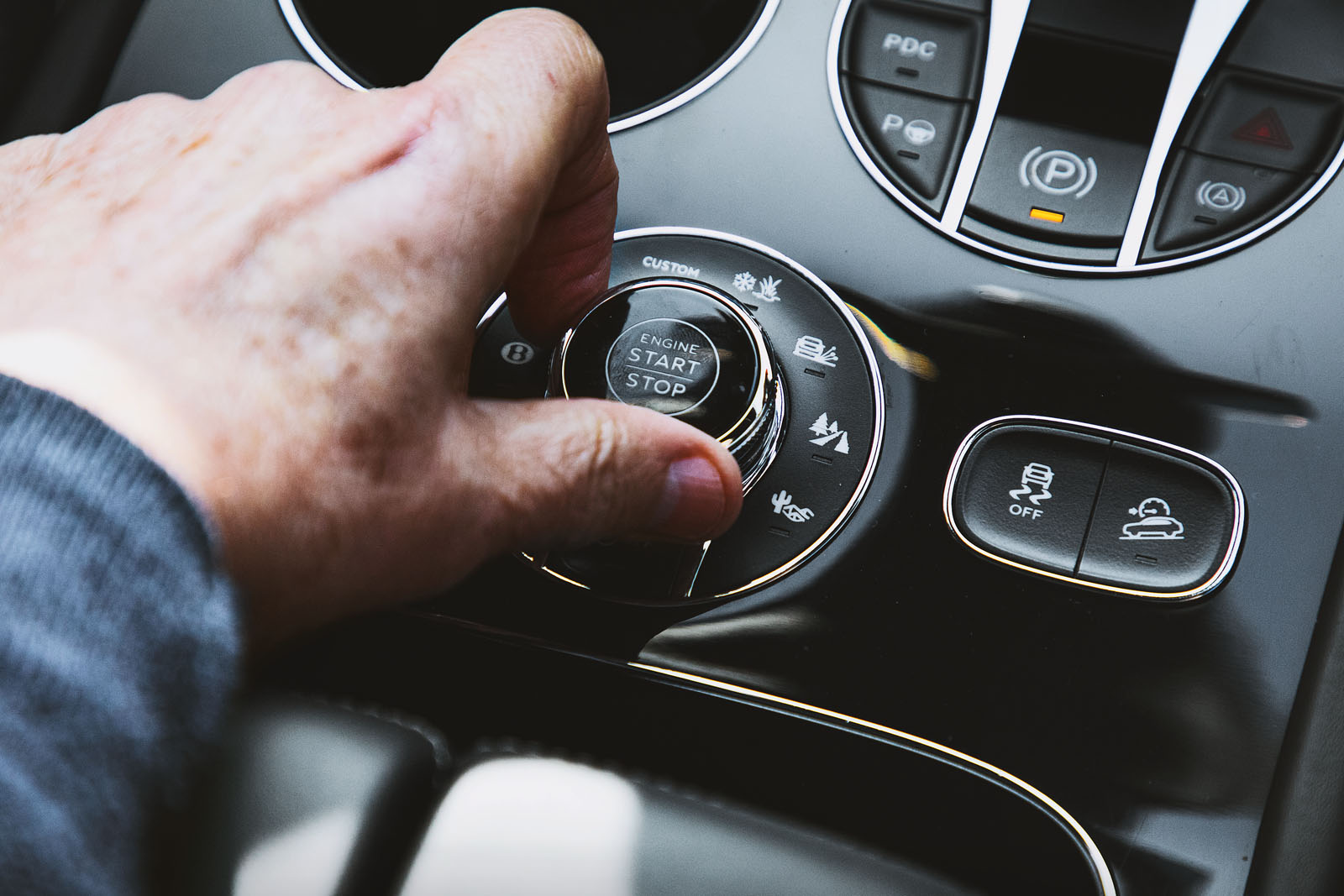
Photo · Autocar RSS Feed
Someone at a leading design firm has said the quiet part loud.
Luke Miles, founder of NewTerritory — a firm that has designed interiors for Delta and Virgin Atlantic before turning its attention to cars — told Autocar that screens, unless handled with genuine intention, represent "a quite lazy intervention." His prediction: physical controls are about to become a serious brand differentiator. Some makers may even shrink their screens to prove a point.
Read that again. Shrink their screens. After a decade of brands racing to install the largest possible glass slab and calling it innovation, the pendulum is swinging back — and it's swinging hard.
The Problem Was Never the Screen
The problem was the assumption behind it. That digital = better. That removing a tactile surface and replacing it with a menu hierarchy was progress rather than subtraction. Anyone who has tried to adjust the cabin temperature on a motorway, eyes darting between road and touchscreen, hunting through sub-menus to find a function that used to live on a single dedicated knob, knows what was actually lost in that trade.
What Miles is identifying isn't nostalgia. It's correction. There's a difference. Nostalgia wants the past back because it's comfortable. Correction wants the past back because it was right. The haptic feedback of a well-machined button, the resistance of a dial that tells your fingers exactly where they are without your eyes leaving the road — these aren't charming anachronisms. They're functional design doing its job.
Screens promised integration, upgradability, a future-proofed interior. What they delivered, in many cases, was a surface that glares in sunlight, lags under load, and turns a simple task into a cognitive interruption. The car industry borrowed the logic of the smartphone and forgot that a phone sits in your hand while a car moves at speed through the physical world.
Now It Costs Something to Have Buttons
Here's what's genuinely interesting about the moment Miles is describing: physical controls are becoming a luxury signal — and I mean that in the most functional sense possible. Not as a status marker. As evidence that a brand thought hard about what actually serves the driver.
NewTerritory's move from aviation into automotive isn't incidental context. Aircraft interiors have always had to solve the same problem cars are now reckoning with: how do you design for a human being who cannot afford to be distracted, whose hands need to find the right control without looking, whose environment is moving and occasionally hostile? Aviation never abandoned tactile design. It refined it.
The car industry is catching up to what pilots already knew.
Miles talks about "high-value bits that you interface with" — and that framing matters. Value, here, isn't about price. It's about the quality of the interaction. A button that clicks cleanly, a dial that moves with the right amount of resistance, a switch that sits exactly where your muscle memory expects it — these are design decisions that take more thought, not less, than dropping a touchscreen into a dashboard and calling it done.
The brands that figure this out first won't just win on feel. They'll win on trust. Because every time a driver reaches for a control and finds it exactly where it should be, doing exactly what it should do, the car earns a little more of them.
Screens failed to deliver what they promised. The market noticed before the industry did. Now the industry is catching up — and whoever gets there cleanly, without half-measures, is going to look very smart very soon.
Keep reading cars.

800 Horsepower, One Ton of Doubt
Lamborghini built the most powerful SUV it's ever made. It's also slower than what it replaced.

£11,990 Draws a Line Under Every Excuse You Had Left
Dacia just made the cheapest new car in Britain electric — and that's not a footnote, it's a verdict.
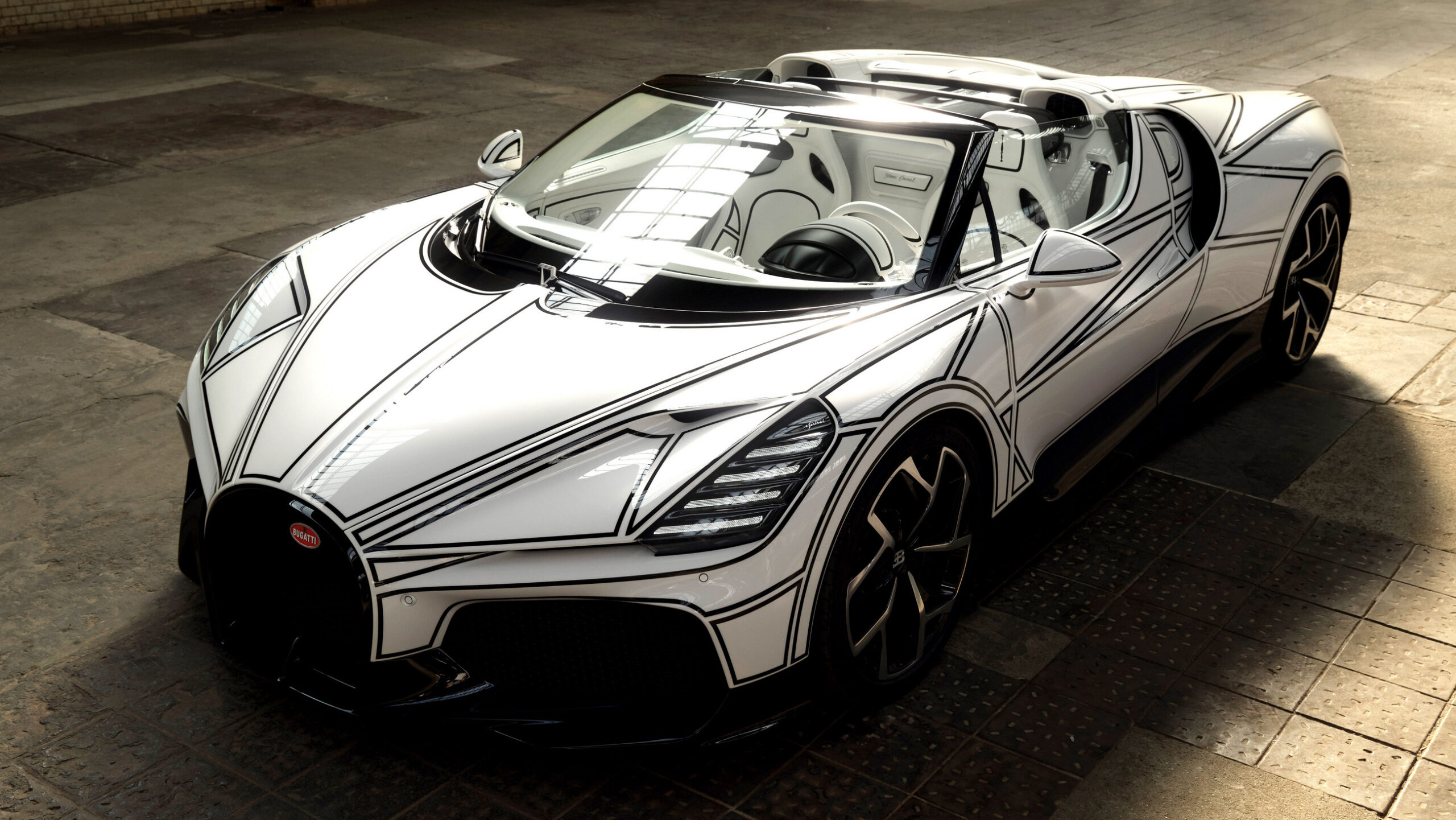
Blanc Éternel Hides Its Speed Behind a Gas Cap
Bugatti built a 261-mph roadster and made sure you'd notice the porcelain first.
From the other desks.

Gold Leaf on a Lacquer Dial, and the Weight of What That Costs
Awake's Frosted Leaf Royal Blue asks a question Vietnamese craft has never quite had to answer at this price.

ESPN Named Him. Then Unnamed Him. Nobody's Explaining the Gap.
A retraction without a reckoning is just a deleted link.

Hide My Email Has Been Showing Your Email
Apple's privacy flagship has a hole in it. They've known for over a year.