Your Eyes Aren't Broken. The Headlights Are.
Car designers won the brightness war. Everyone else is losing.
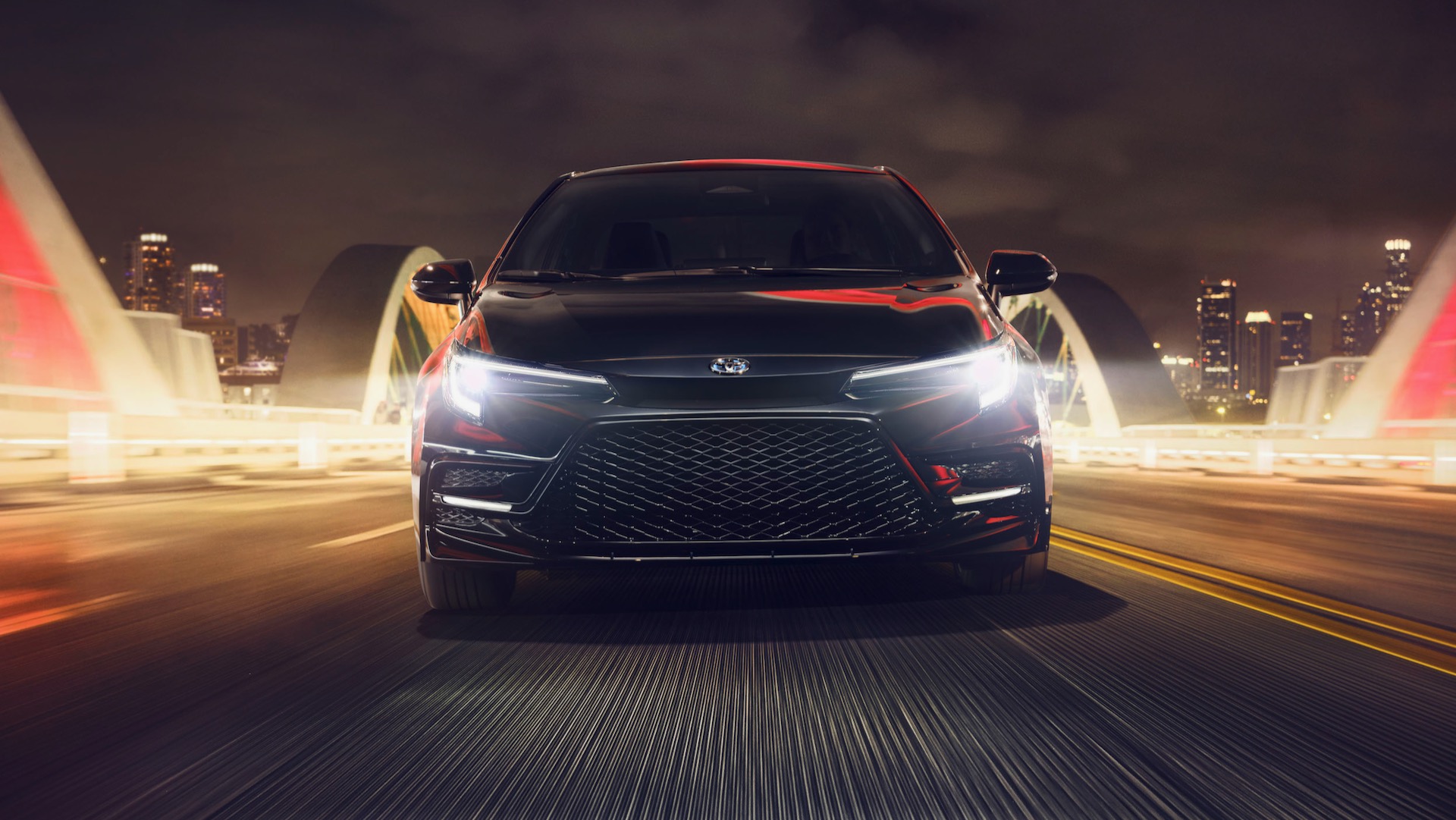
Photo · The Drive
Squinting into oncoming traffic at 70mph isn't a sensitivity issue. It's an engineering choice someone made on your behalf.
Over the past decade, headlights got dramatically better at illuminating the road ahead — and dramatically worse at everything else. The LED and laser arms race gave us whiter light, sharper beams, more throw. It also gave us a highway full of people momentarily blinded by a passing Escalade.
Six in ten drivers say headlight glare is a genuine problem. Nearly three-quarters say it's gotten worse. That's not a vocal minority complaining on forums. That's the road.
The Technology Is There. The Will Isn't.
The cruel irony is that the hardware exists to fix this. Adaptive high beams that drop for oncoming traffic. Auto-leveling systems that compensate when the rear is loaded down. Camera-guided cutoffs that can carve light around a specific vehicle in real time. European roads already have this. The regulations that govern headlight aim in the U.S. haven't been meaningfully updated since the 1970s — when sealed-beam halogens were the ceiling, not the floor.
So we have 2024 light sources operating under 1978 rules. That gap is where the problem lives.
Manufacturers aren't ignoring this by accident. A headlight that looks aggressive and throws a wide, intense beam moves product on a showroom floor. It photographs well. It reads as capable and modern at a test drive that lasts twenty minutes in a parking lot. The person in the opposite lane at 11pm on a two-lane highway is not part of that calculation.
Trucks and SUVs make it worse by geometry alone. A high-mounted headlight on a lifted pickup sits at roughly the eye level of a sedan driver. Regulations that set acceptable beam angles assumed a world where most vehicles rode at similar heights. That world is gone. The regulations stayed.
What Adaptation Actually Costs
The human eye adjusts to sudden bright light in about five seconds. At highway speed, five seconds is the length of a football field. That's the window where you're essentially driving on memory and lane-keeping instinct — hoping nothing unexpected happens in the stretch of road you can no longer actually see.
This isn't a fringe complaint about being sensitive to brightness. Glare-related impairment is a documented factor in nighttime crash rates. Older drivers are more affected, but nobody is immune. The eye's recovery time doesn't care how good a driver you are.
The NHTSA has been aware of this. There have been petitions, studies, proposed rulemaking. Progress has been slow enough to be functionally indistinguishable from no progress. Meanwhile, headlights keep getting brighter, vehicles keep getting taller, and the guy in the compact sedan keeps white-knuckling through the pass.
The technology to solve this is not theoretical. It is in production vehicles sold in other markets right now. The fix is a regulatory update and a mandate — neither of which requires a single engineering breakthrough.
Somebody has to decide that blinding oncoming traffic is a design flaw, not a feature. Until they do, we're all just squinting and hoping.
Keep reading cars.

800 Horsepower, One Ton of Doubt
Lamborghini built the most powerful SUV it's ever made. It's also slower than what it replaced.

£11,990 Draws a Line Under Every Excuse You Had Left
Dacia just made the cheapest new car in Britain electric — and that's not a footnote, it's a verdict.

Blanc Éternel Hides Its Speed Behind a Gas Cap
Bugatti built a 261-mph roadster and made sure you'd notice the porcelain first.
From the other desks.

Gold Leaf on a Lacquer Dial, and the Weight of What That Costs
Awake's Frosted Leaf Royal Blue asks a question Vietnamese craft has never quite had to answer at this price.

ESPN Named Him. Then Unnamed Him. Nobody's Explaining the Gap.
A retraction without a reckoning is just a deleted link.

Hide My Email Has Been Showing Your Email
Apple's privacy flagship has a hole in it. They've known for over a year.