Zero on the Breathalyzer. Still in Handcuffs.
Seven hundred sober drivers arrested for DUI in Georgia. The machine said innocent. The system said otherwise.
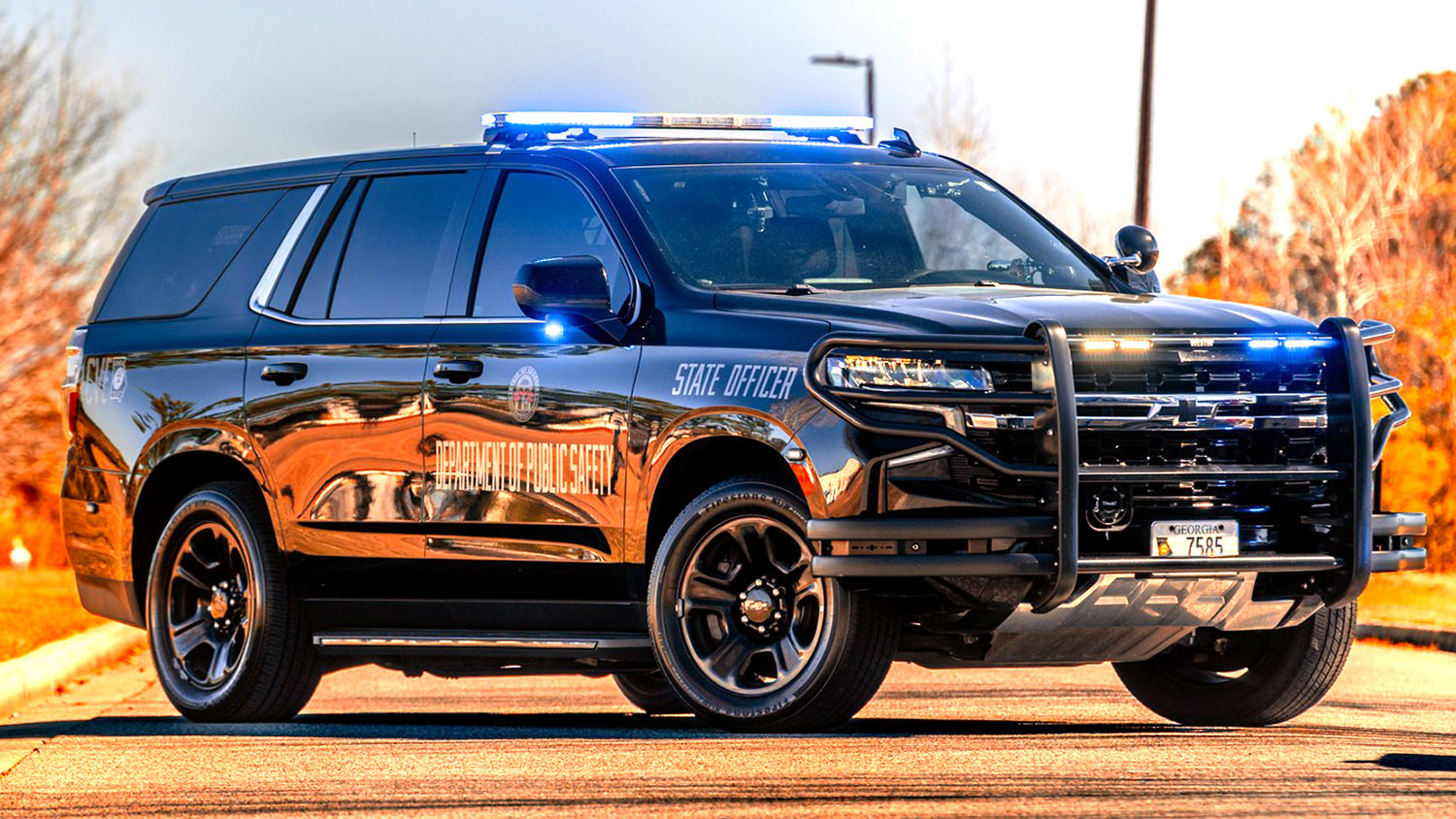
Photo · Carscoops
The Number That Should Bother Everyone
Here's a number worth sitting with: 701. That's how many drivers in Georgia were arrested for DUI despite registering a .000 on a breathalyzer, according to a report covered by Carscoops. Not impaired-but-borderline. Not trace amounts. Zero. The kind of zero that should end the conversation before it starts.
It didn't.
One of those drivers, as the Carscoops piece details, blew completely clean and still spent the night in jail. The breathalyzer — the device that is supposed to be the definitive arbiter of sobriety — returned the most exculpatory number possible, and it didn't matter. He was processed, booked, and held anyway.
That's not a story about one bad night. That's a story about a system that has outgrown its own logic.
When the Infrastructure Becomes the Hazard
We spend a lot of time talking about the dangers of impaired driving, and rightly so. But there's a quieter conversation that needs to happen about what happens when the tools we've built to catch impaired drivers start catching sober ones at scale. Seven hundred and one isn't a rounding error. It isn't a handful of anomalies you can explain away with edge cases.
Roadside sobriety testing was designed to protect people. That mandate is real and it matters. But the Carscoops piece surfaces something uncomfortable: the gap between what a test measures and what it's being used to prove is wide enough that innocent people are sleeping in jail cells.
The breathalyzer handles alcohol. It always has. What it doesn't handle is everything else — prescription medication, medical conditions, fatigue, nervousness, the thousand variables that can make a sober person look impaired to someone standing on the shoulder of a highway at midnight with a quota to meet and a checklist to follow. The writer at Carscoops isn't editorializing much. They don't have to. The data does the work.
What strikes me about this piece being published now is what it implies about the moment we're in. Cars are smarter than they've ever been. Detection technology is more sophisticated. And yet the primary mechanism for determining whether a driver is fit to operate a vehicle is still, in many cases, a roadside officer's judgment call — a call that, 701 times in Georgia alone, landed the wrong way.
There's something almost tragic about that gap. The car can see a pedestrian at 200 meters in the dark. The system can't reliably tell the difference between a sober person and an impaired one without sending them to jail first and sorting it out later.
Driving has always carried a social contract. You follow the rules, you stay sober, you get home. What these arrests expose is the fine print nobody reads: the contract has a clause that says compliance isn't always enough. Being innocent doesn't guarantee being treated like you are.
The road is supposed to be the dangerous part. Not the checkpoint.
Keep reading cars.

800 Horsepower, One Ton of Doubt
Lamborghini built the most powerful SUV it's ever made. It's also slower than what it replaced.

£11,990 Draws a Line Under Every Excuse You Had Left
Dacia just made the cheapest new car in Britain electric — and that's not a footnote, it's a verdict.

Blanc Éternel Hides Its Speed Behind a Gas Cap
Bugatti built a 261-mph roadster and made sure you'd notice the porcelain first.
From the other desks.

Gold Leaf on a Lacquer Dial, and the Weight of What That Costs
Awake's Frosted Leaf Royal Blue asks a question Vietnamese craft has never quite had to answer at this price.

ESPN Named Him. Then Unnamed Him. Nobody's Explaining the Gap.
A retraction without a reckoning is just a deleted link.

Hide My Email Has Been Showing Your Email
Apple's privacy flagship has a hole in it. They've known for over a year.