A Hundred Years of Not Asking for Your Opinion
Rolex's centennial move at Watches & Wonders says everything about a brand that has never confused confidence with arrogance.

Photo · Worn & Wound
There's a certain kind of institution that celebrates a milestone by looking outward — the retrospective exhibition, the limited-edition nostalgia play, the press release that reads like a eulogy for something still very much alive. And then there's Rolex, which apparently marked a hundred years by updating its entire catalog and daring you to have feelings about it.
A writer at Worn & Wound caught the releases coming out of Watches & Wonders, and the throughline is hard to miss: the Oyster case — the foundational architecture of nearly everything Rolex makes — received attention across the board. The Oyster Perpetual, the Daytona, the Day-Date, the Yachtmaster II. Not one hero piece and a press tour. The whole range, touched.
What's interesting isn't the watches. It's the posture.
Heritage as a Living Thing
Most brands, when they reach a centennial, treat their history like a glass case in a museum. You can look, but the point is preservation. The logic is defensive: we've lasted this long, so the job now is not to ruin it. The result is usually a commemorative dial, a reissue nobody needed, and a lot of copy about legacy.
Rolex did something quieter and, honestly, more confident. They said: the Oyster case is the story, and the story isn't over. Iterating across your catalog for a hundredth birthday isn't nostalgia — it's a statement that the thing you built still has somewhere to go.
That's a harder argument to make than it sounds. The Oyster case is one of the most recognized shapes in watchmaking. Touching it means accepting scrutiny from people who have memorized every lug angle and crown position. The risk isn't obscurity — it's the devoted collector who decides you've gone wrong. Rolex apparently decided that was an acceptable risk. Maybe even a necessary one.
What the Moment Reveals
The Worn & Wonders coverage — and the fact that, as the piece notes, all eyes at Watches & Wonders are on Rolex — reflects something real about where the brand sits right now. Not just commercially, but culturally. There's almost no other watchmaker where a case refresh across multiple references would be treated as an event. For most, it would be a footnote. For Rolex, it's the headline.
That kind of attention is a double-edged thing. It means every decision gets amplified. A new Daytona isn't just a new Daytona — it's a statement, a data point, an argument. People will agree or disagree loudly, and the brand knows this and proceeds anyway.
That's what I keep coming back to. Not the specific changes — which you can read about elsewhere, and which the Worn & Wound coverage handles well — but the willingness to move at all. To say, at a hundred years: we're not a monument. We're still working.
Some things earn the right to just keep going.
Keep reading fashion.

Gold Leaf on a Lacquer Dial, and the Weight of What That Costs
Awake's Frosted Leaf Royal Blue asks a question Vietnamese craft has never quite had to answer at this price.
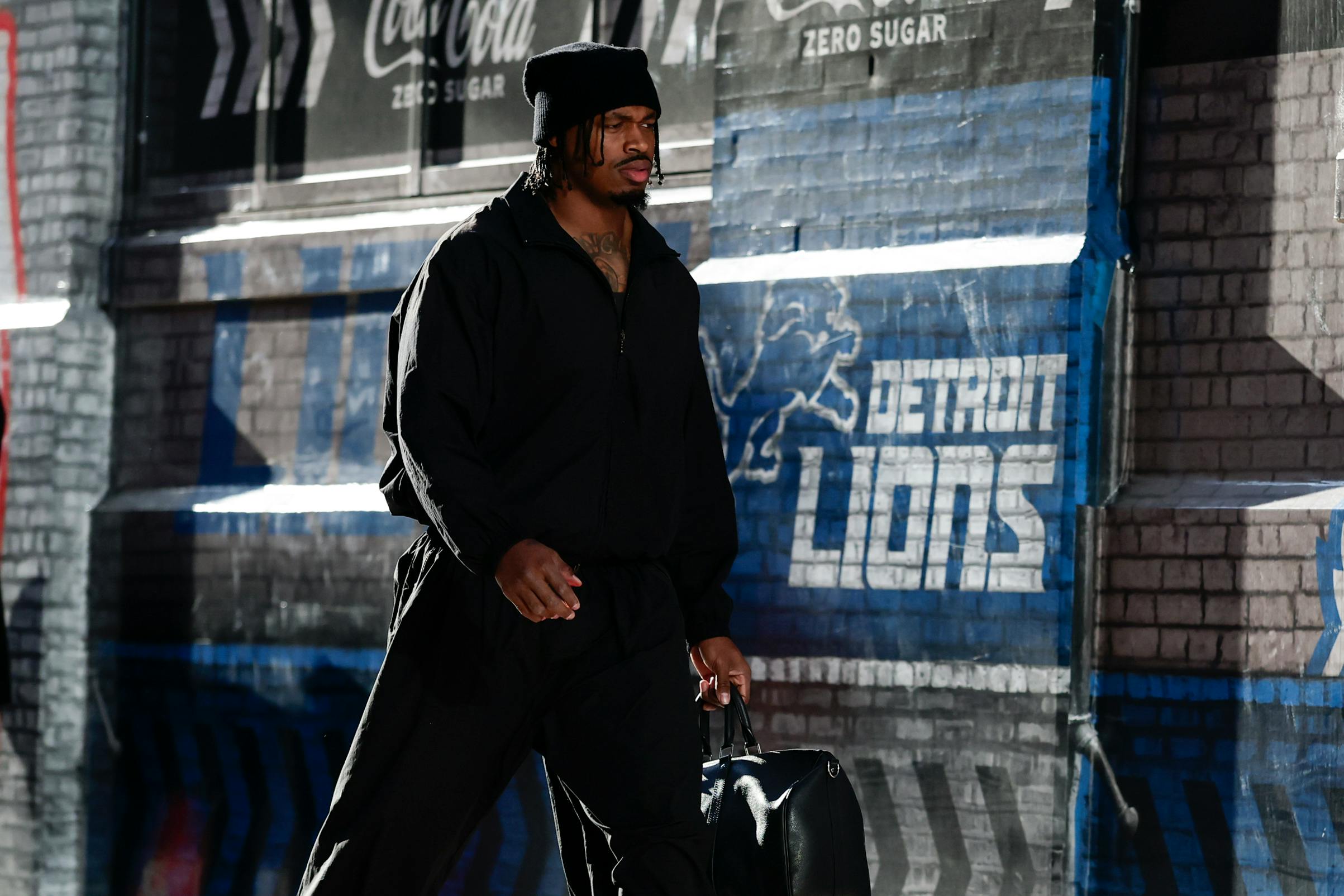
Kyle Smith Has a Job Title That Didn't Exist Before. That's the Whole Tell.
When the NFL hires a fashion editor, it's not about clothes — it's about who gets to decide what matters.
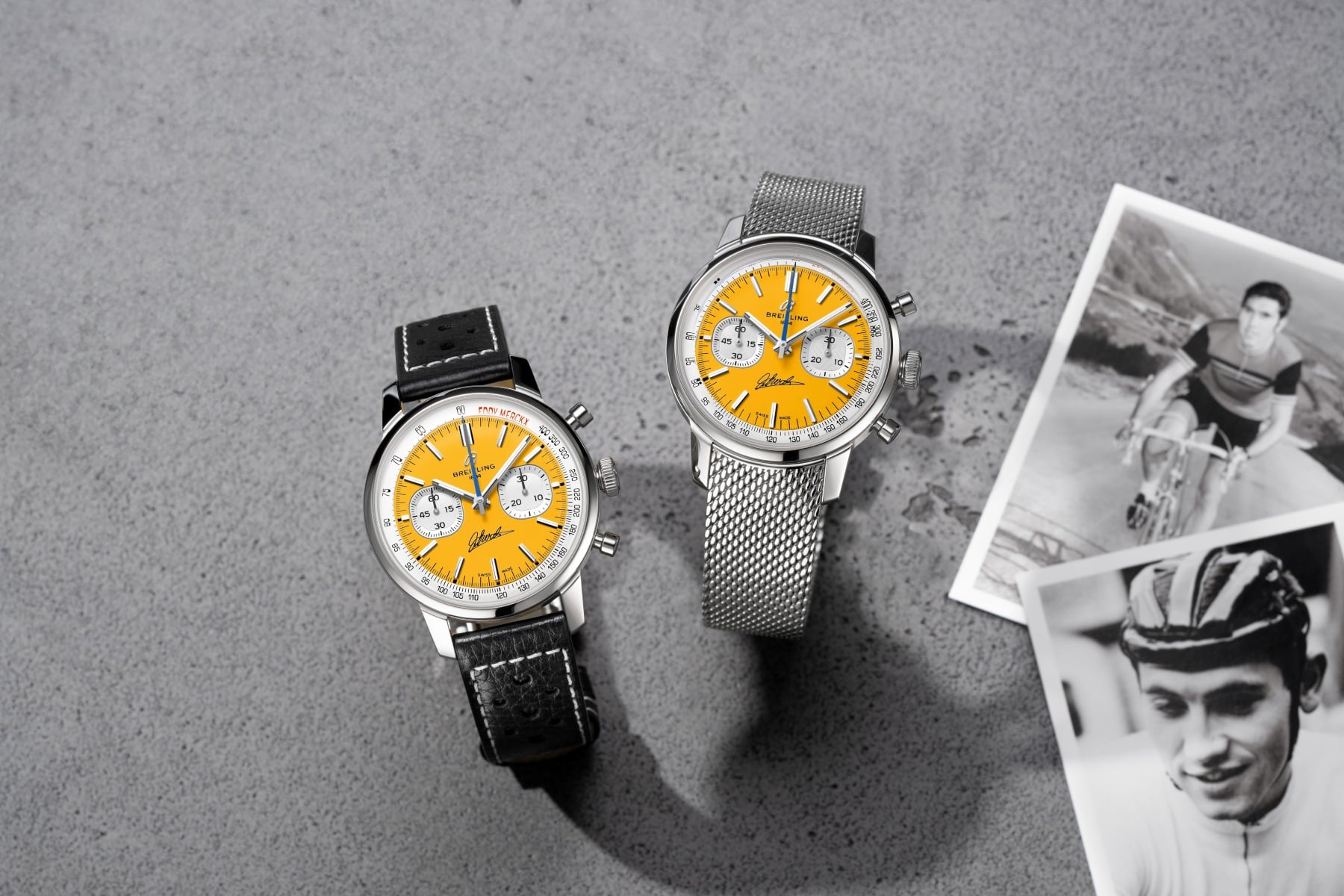
525 Victories, One Dial, and Cycling's Long Wait for a Wrist
Breitling's Eddy Merckx edition doesn't just reference a legend — it asks whether motorsport's younger sibling has finally earned its place in serious watch culture.
From the other desks.

800 Horsepower, One Ton of Doubt
Lamborghini built the most powerful SUV it's ever made. It's also slower than what it replaced.

ESPN Named Him. Then Unnamed Him. Nobody's Explaining the Gap.
A retraction without a reckoning is just a deleted link.

Hide My Email Has Been Showing Your Email
Apple's privacy flagship has a hole in it. They've known for over a year.