H. Moser Stopped Explaining Itself. Worn & Wound Noticed.
A writer comes back to the Streamliner Minis with enamel dust still on their hands, and the watches hold up.
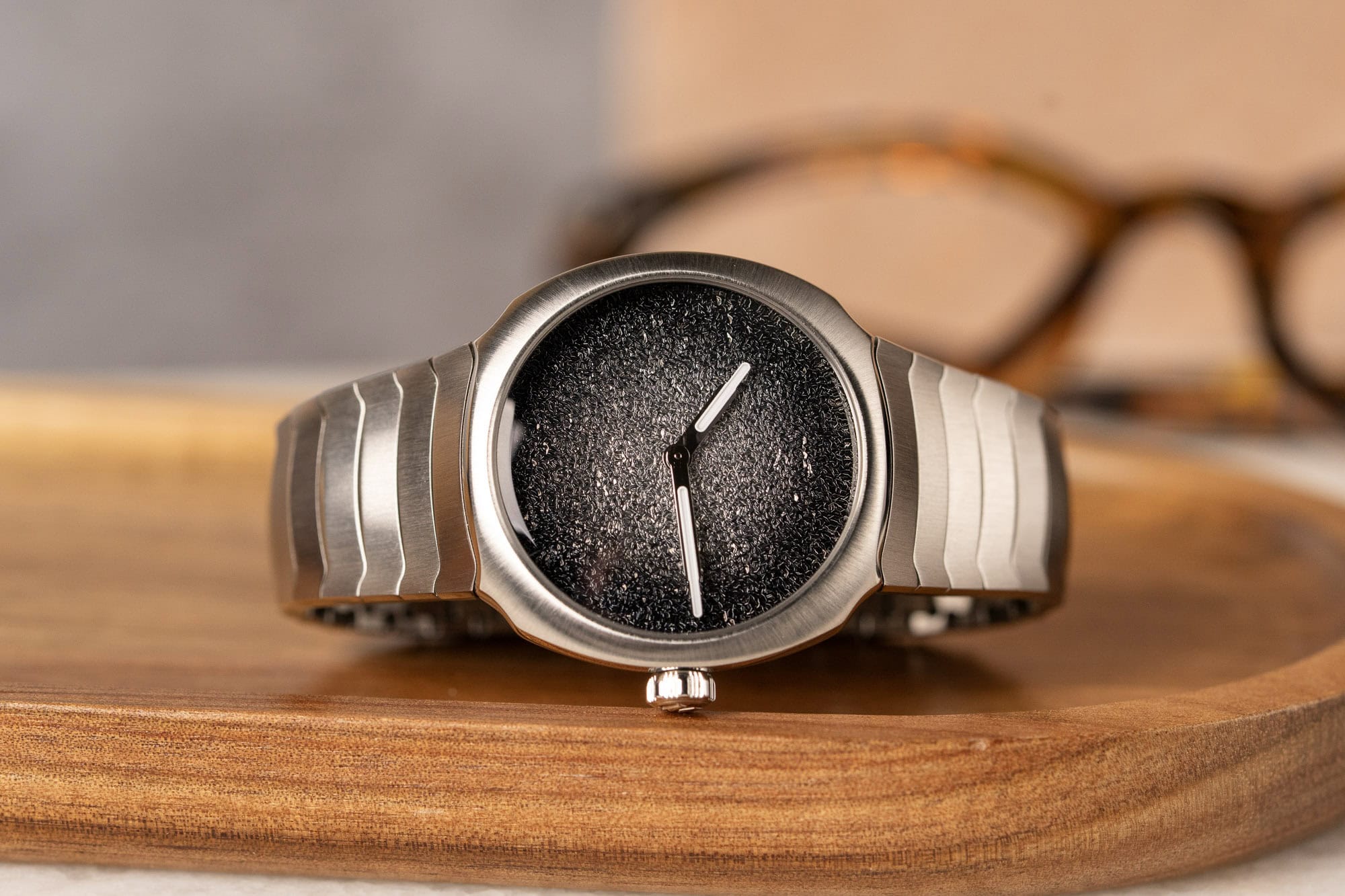
Photo · Worn & Wound
There's a particular kind of credibility that comes from arriving at a watch with context you didn't plan to have. A writer at Worn & Wound did exactly that — returning to the Moser Streamliner after a first enameling apprenticeship, which is not the usual way someone gets to Geneva Watch Days. That detail matters. It changes what you see.
The piece frames itself around "quiet luxury" — a phrase that has been doing a lot of heavy lifting lately, most of it dishonest. Quiet luxury, as the culture has deployed it, tends to mean expensive things that look cheap on purpose, restraint performed for an audience who will recognize it anyway. It's a status game wearing a monk's robe. What's worth noting is that the Worn & Wound piece pushes back on this — not loudly, but pointedly — by suggesting the Streamliner Minis might actually be something different: objects where the quiet comes from the craft itself, not from a marketing decision.
That's a meaningful distinction, and it's interesting that someone is making it now.
When the Hype Cycle Catches Up to the Object
The Streamliner has been around long enough to develop its own reputation, but the Minis — previewed at Geneva Watch Days and set to launch at Dubai Watch Week — represent Moser doing something specific: scaling a form down without hollowing it out. The writer's response to the Aqua variant, encountered right after hands-on enamel work, is framed as a moment of recognition. Not just aesthetic appreciation, but technical respect. The kind that only arrives when you understand what the making actually costs.
This is where the Worn & Wound piece is most useful as a cultural document. It appears at a moment when "quiet luxury" has become so oversaturated as a concept that the phrase itself has started to poison the things it touches. Slap it on anything with a muted palette and a four-figure price tag and you've done your marketing for the season. Moser, to its credit, doesn't seem to be playing that game — or at least, the writer isn't letting them get away with it unchallenged.
The enamel apprenticeship context does real work here. It's not name-dropping. It's a lens. Someone who has spent time at that craft is going to look at an enameled dial differently than someone who encountered the word in a press release. The Streamliner Minis, in this reading, aren't about restraint as performance. They're about the kind of precision that only shows up when you're not trying to show off.
What the Take Reveals
The more interesting question is why this piece needed to be written at all. Moser isn't a new name. The Streamliner isn't a new design. But "quiet luxury" as a cultural pressure has reached a point where even watchmakers — brands that have been doing unshowy craft for generations — get pulled into the discourse whether they want to be or not. The Worn & Wound writer seems aware of this, using the Minis as an occasion to ask whether the concept has any meaning left, or whether it's been consumed entirely by the aesthetic it was supposed to describe.
The answer, at least in this corner of horology, seems to be: it depends on whether the object can survive the label. From the sound of it, the Streamliner Minis can.
Taste doesn't need a trend to justify it. But it helps when the object is doing its job so well that the trend becomes irrelevant.
Keep reading fashion.

Gold Leaf on a Lacquer Dial, and the Weight of What That Costs
Awake's Frosted Leaf Royal Blue asks a question Vietnamese craft has never quite had to answer at this price.

Kyle Smith Has a Job Title That Didn't Exist Before. That's the Whole Tell.
When the NFL hires a fashion editor, it's not about clothes — it's about who gets to decide what matters.
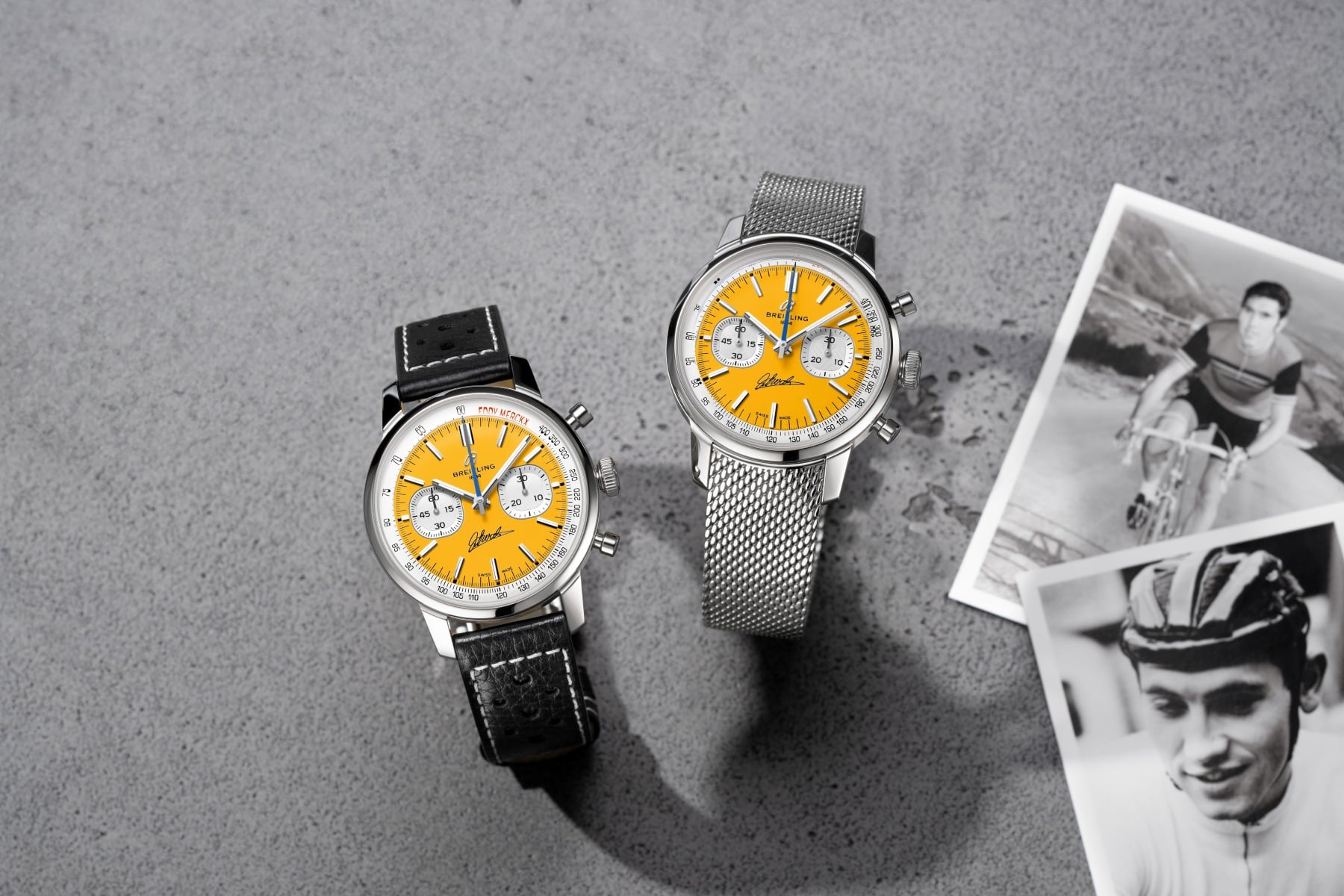
525 Victories, One Dial, and Cycling's Long Wait for a Wrist
Breitling's Eddy Merckx edition doesn't just reference a legend — it asks whether motorsport's younger sibling has finally earned its place in serious watch culture.
From the other desks.

800 Horsepower, One Ton of Doubt
Lamborghini built the most powerful SUV it's ever made. It's also slower than what it replaced.

ESPN Named Him. Then Unnamed Him. Nobody's Explaining the Gap.
A retraction without a reckoning is just a deleted link.

Hide My Email Has Been Showing Your Email
Apple's privacy flagship has a hole in it. They've known for over a year.