Sweating Through the Spectacle
When the weather becomes the headline, fashion has to decide whether climate is a muse or a mirror.

Photo · WWD
There's a version of this story where the heat is just atmosphere — uncomfortable backdrop, a few wilted editors, some fanned programs. That version lets fashion off the hook. What happened in Paris and Milan this season is harder to dismiss.
The extreme temperatures weren't incidental. They were, by most accounts, the dominant conversation — louder than any collection, more present than any debut. The Business of Fashion noted that the heat itself became the hottest chatter across both cities. When weather outranks the work, something has shifted.
Permission to Say It Out Loud
For a long time, fashion engaged with climate the way it engages with most uncomfortable things: obliquely, aesthetically, at a careful remove. A fabric sourced responsibly here, a press release with the right language there. The spectacle continued because the spectacle was the point, and the point was not to be interrupted.
What's different now is that the interruption arrived anyway. You can't hold a show in punishing heat and then pretend the heat is someone else's problem. The weather made the argument fashion has been slow to make for itself.
Among the designers working this season, Abigail Smiley-Smith stood out — not just for her work but for what she chose to say with it. Presenting her first full runway collection for Maison Kitsuné, she was, according to WWD, one of the few creative directors to directly address the climate crisis. Not gesture toward it. Not allude to it. Address it.
That specificity matters. Fashion is a world fluent in implication, in the raised eyebrow, in the knowing reference. Direct address is rarer and, when it lands, harder to look away from. Smiley-Smith didn't dress the problem in metaphor and call it done.
What Spectacle Costs Now
I keep coming back to the image of it: a runway show conducted in record heat, in cities whose infrastructure was not designed for this, attended by an industry that has historically treated its own carbon footprint as a rounding error. The tension isn't subtle. Neither is the sweat.
The question the coverage raises — and doesn't quite answer — is whether any of this changes the calculus going forward. Extreme weather as a design constraint is one thing. It's tractable. You adjust the fabrics, reconsider the silhouettes, maybe rethink when and where you hold the show. That's craft responding to conditions. Fashion is good at that.
What's harder is extreme weather as a reckoning. As evidence that the industry's relationship to the environment is not a PR problem but a structural one. The heat in Paris and Milan this season didn't ask for a collection inspired by it. It asked something more uncomfortable: whether the show should go on at all, and if so, on whose terms.
Smiley-Smith's decision to meet that question directly, in a debut no less, is either very brave or very obvious — and the fact that it reads as brave tells you everything about how little directness there's been.
The spectacle will survive. It always does. The more interesting question is what it looks like when survival requires honesty.
Keep reading fashion.

Gold Leaf on a Lacquer Dial, and the Weight of What That Costs
Awake's Frosted Leaf Royal Blue asks a question Vietnamese craft has never quite had to answer at this price.
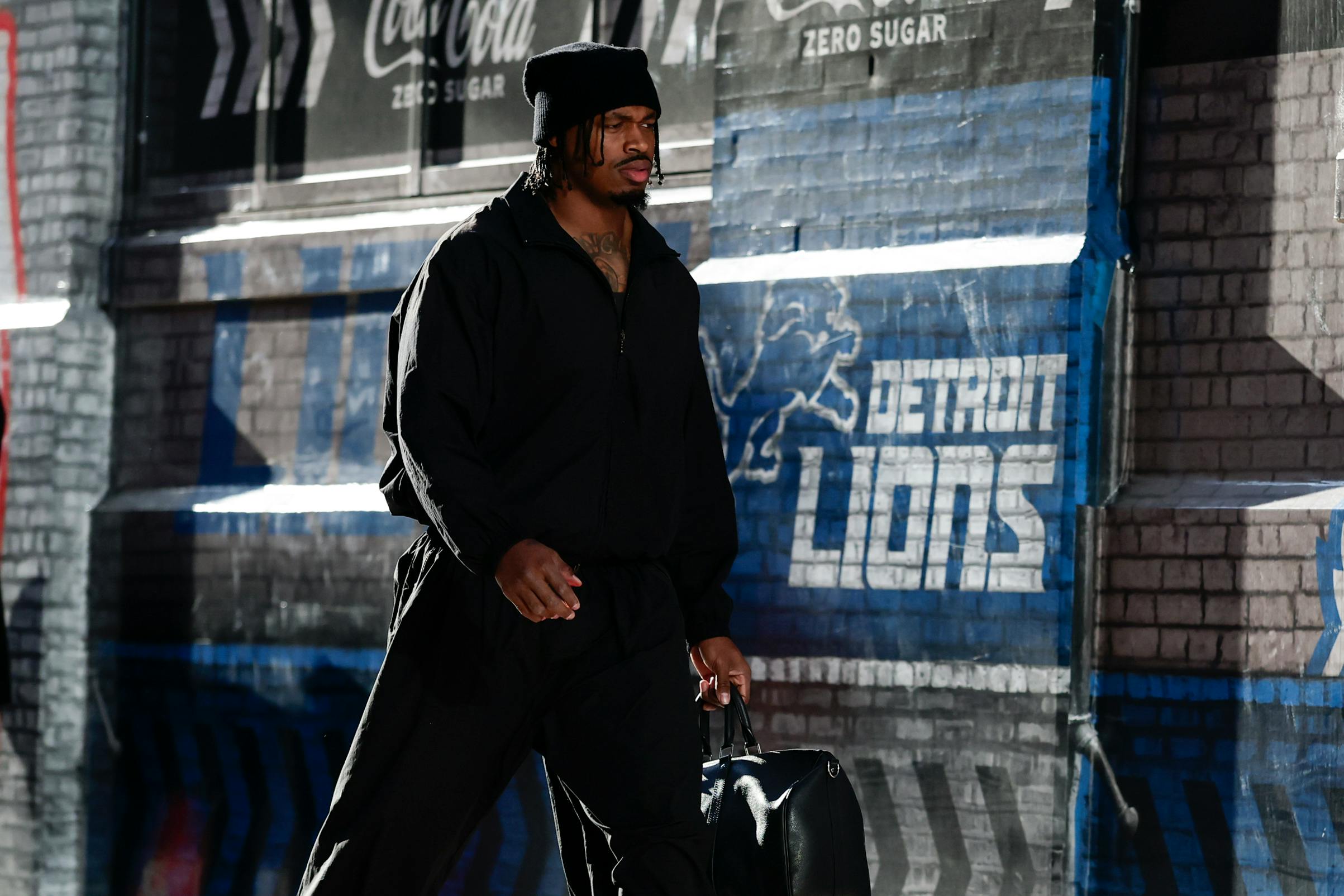
Kyle Smith Has a Job Title That Didn't Exist Before. That's the Whole Tell.
When the NFL hires a fashion editor, it's not about clothes — it's about who gets to decide what matters.
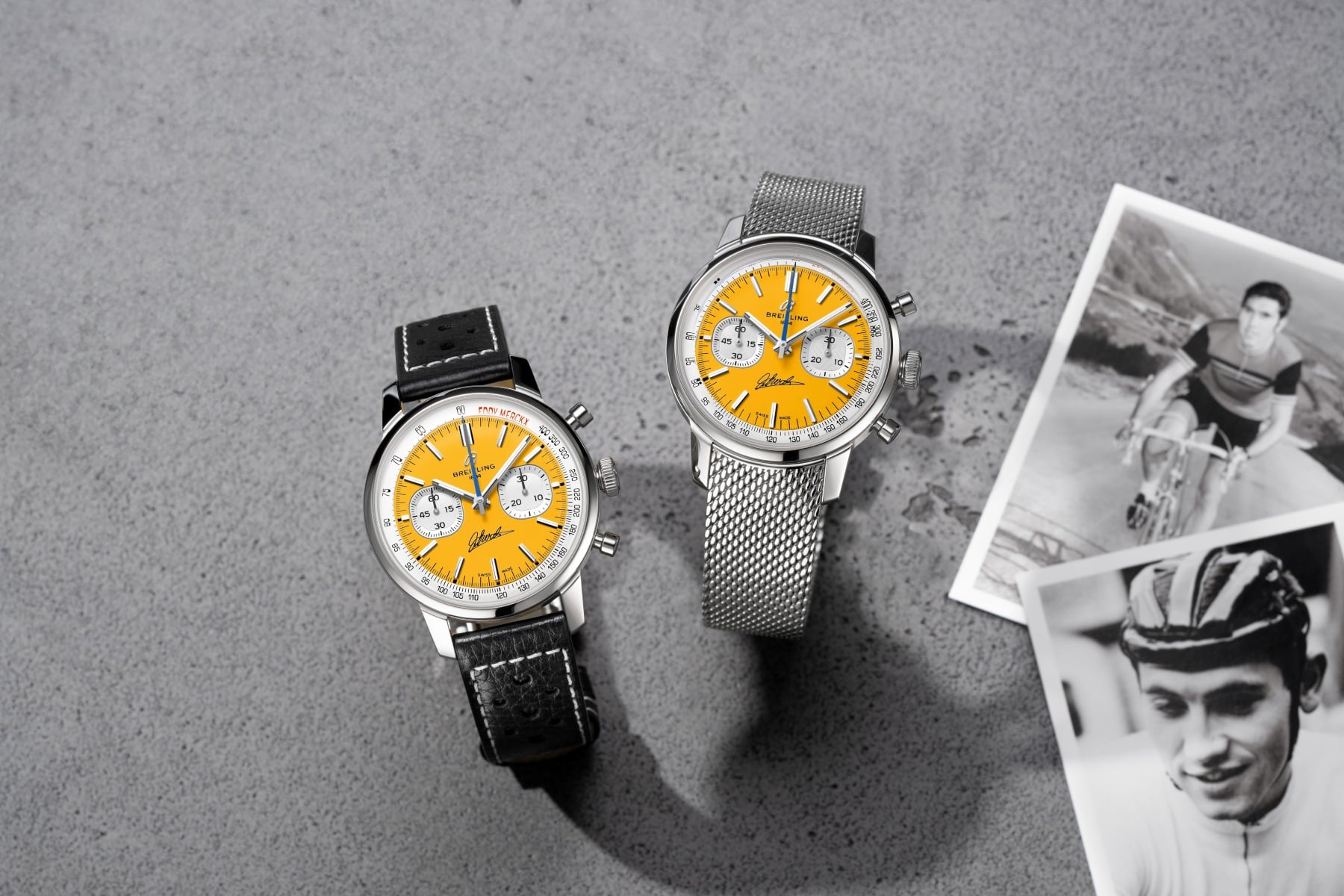
525 Victories, One Dial, and Cycling's Long Wait for a Wrist
Breitling's Eddy Merckx edition doesn't just reference a legend — it asks whether motorsport's younger sibling has finally earned its place in serious watch culture.
From the other desks.

800 Horsepower, One Ton of Doubt
Lamborghini built the most powerful SUV it's ever made. It's also slower than what it replaced.

ESPN Named Him. Then Unnamed Him. Nobody's Explaining the Gap.
A retraction without a reckoning is just a deleted link.

Hide My Email Has Been Showing Your Email
Apple's privacy flagship has a hole in it. They've known for over a year.