Atlanta Didn't Lose Game 6. Atlanta Got Told.
A 51-point rout doesn't happen to a team. It happens because of one.
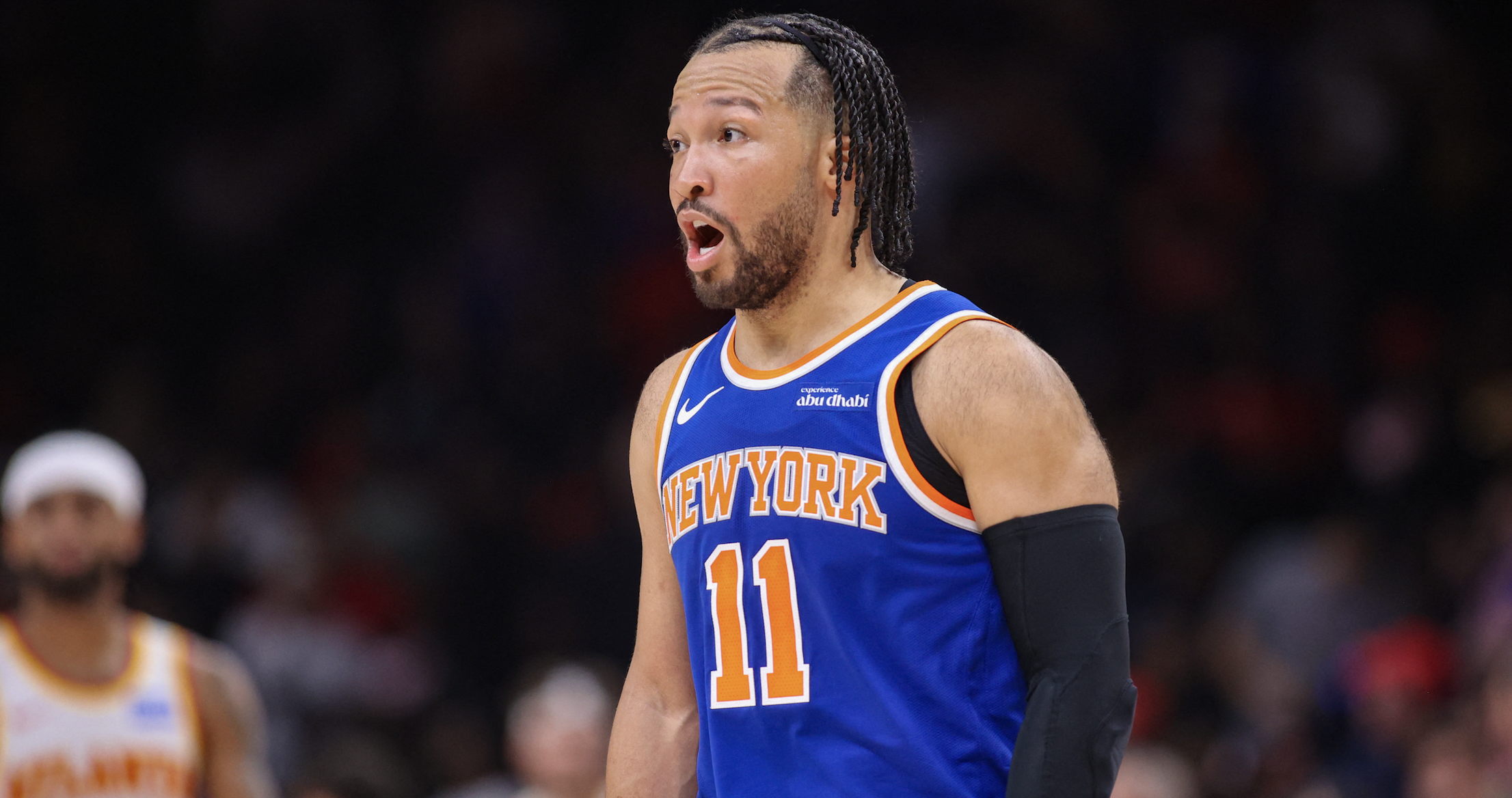
Photo · Awful Announcing
There are blowouts, and then there are reckonings. Thursday night in Atlanta was the second thing.
The Knicks walked into State Farm Arena and turned a competitive five-game series into an afterthought in roughly the time it takes to eat dinner. Final score: 140–89. Fifty-one points. A record, according to multiple outlets covering the game. The Hawks had home court. They also had no answers.
What's strange — and worth sitting with — is how little of the coverage actually grapples with why. The scoreline gets the headlines. OG Anunoby's 29 points, 26 of them in the first half alone, gets the highlight. Karl-Anthony Towns reportedly joining elite company in Knicks playoff history gets the report card. All of it is true. None of it is the story.
The Story Is the Defense
One NY Post piece went straight at it: the Knicks didn't just outscore Atlanta, they suffocated them. The framing used was visceral — an older brother in a driveway, making a point that doesn't need to be spoken. That image is doing a lot of work, and it's the right one. This wasn't a shootout that got away. This was a team that decided the series was over before tip-off and then executed that decision methodically, possession by possession, until the building went quiet.
Defense-first basketball has been declared dead so many times in the modern NBA that people stopped noticing when it started winning again. The league tilted toward pace, spacing, and volume shooting. Coaches who preached the other end of the floor got labeled as dinosaurs. And yet here are the Knicks, closing out a playoff series by 51, and the numbers underneath the final score point almost entirely to what they prevented, not what they scored.
Anunoby's first-half explosion didn't happen in a vacuum. It happened because the Knicks' defensive structure gave Atlanta nothing comfortable, and nothing comfortable means rushed shots, which means transition, which means Anunoby running the floor. Execution creates offense. The defense came first.
What the Fans Already Knew
Outside Madison Square Garden and inside State Farm Arena — which the NY Post noted had been taken over by Knicks fans — the chant was already pointed forward. We want Boston. Not savoring the moment. Not bothering with the Hawks anymore. Moving on.
That confidence is either earned or delusional, and given what Thursday looked like, it reads as earned. This is a team that knows what it is. The coverage from Awful Announcing catalogued how sports media reacted to the blowout — the general tone landing somewhere between disbelief and admiration. But even that framing treats the result as a surprise, when maybe the more honest read is that this was always available to New York. They just needed a game where they decided to show it.
Series like this one — close through five, then obliterated in six — often reveal something that was true the whole time. One team was better. The margin just took a while to show up on the scoreboard.
Boston is next. The Knicks already said so.
So did the 51 points.
Keep reading sports.

ESPN Named Him. Then Unnamed Him. Nobody's Explaining the Gap.
A retraction without a reckoning is just a deleted link.

Three People Died Celebrating. FIFA Hasn't Said Their Names.
Mexico City buried three people after the World Cup crowds came through. At some point, the sport has to sit with that.

Sell the Stadium, Lose the Room
NFL franchises are rolling out the welcome mat for World Cup tourists — and the desperation is showing.
From the other desks.

800 Horsepower, One Ton of Doubt
Lamborghini built the most powerful SUV it's ever made. It's also slower than what it replaced.

Gold Leaf on a Lacquer Dial, and the Weight of What That Costs
Awake's Frosted Leaf Royal Blue asks a question Vietnamese craft has never quite had to answer at this price.

Hide My Email Has Been Showing Your Email
Apple's privacy flagship has a hole in it. They've known for over a year.