Golf Made Bryson DeChambeau Optional. He Returned the Favor.
A writer at Defector has staked out the most uncomfortable question in the sport right now — and the sport doesn't have a clean answer.
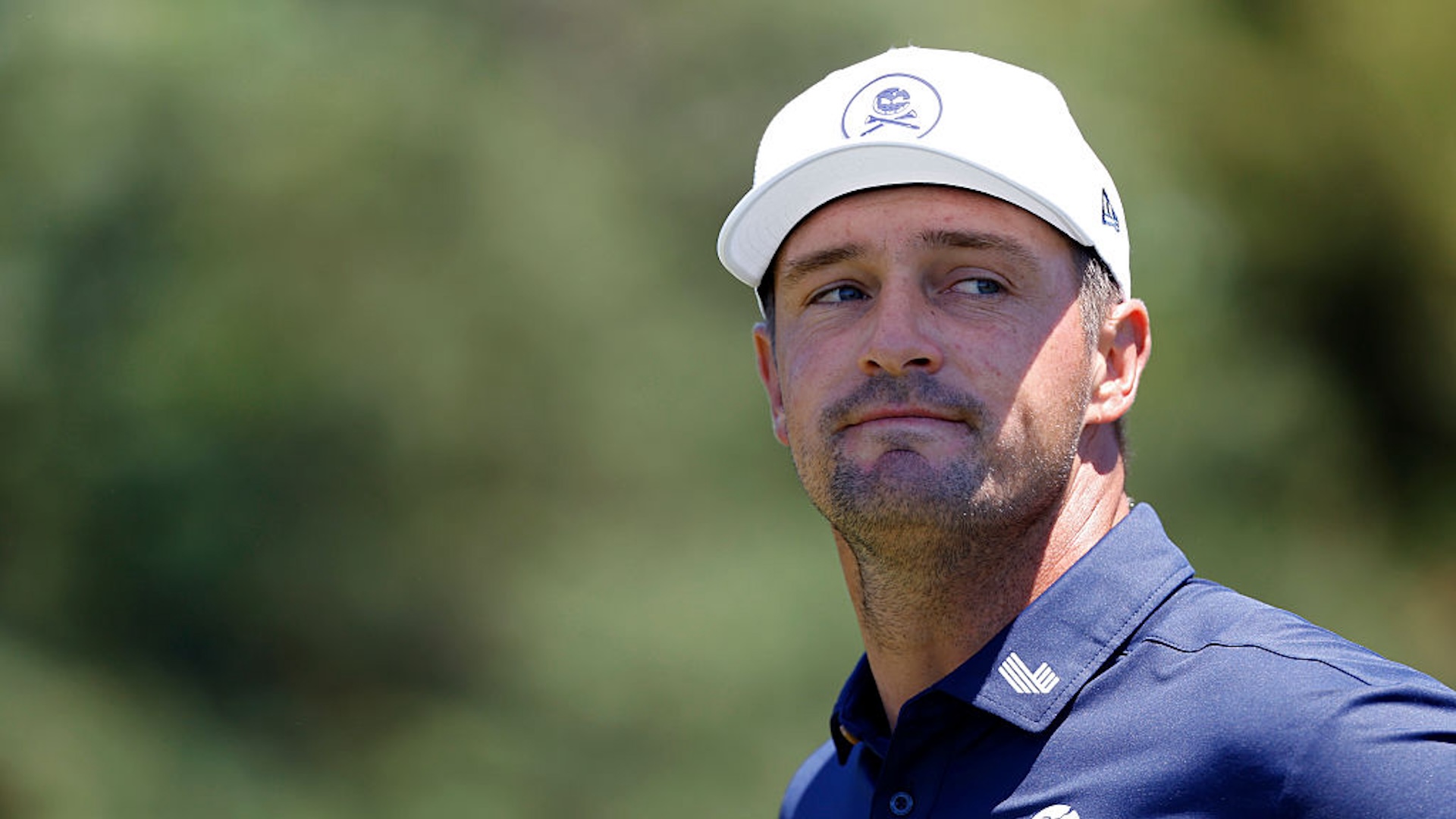
Photo · Defector
There's a piece up at Defector asking whether Bryson DeChambeau is a golfer or a YouTuber. It sounds like a throwaway. It isn't.
The question only exists because of the sequence of events behind it. According to the piece, LIV Golf is about to lose its funding from the Saudi Public Investment Fund — which means every player who left the PGA Tour for that tour now has to figure out what comes next. Jon Rahm. Brooks Koepka, who the piece notes has already begun working his way back through the PGA Tour. And DeChambeau, who the writer identifies as something more complicated: the face of LIV, an ambassador who helped the tour cultivate a right-wing fanbase and position itself as a culture-war front.
That last part matters. It's not just that DeChambeau left. It's how he left, and what he built on the other side.
The Fork in the Fairway
The Defector piece frames this as a fork: come crawling back to the PGA Tour, or find a new day job. But the reason this story has any texture at all is that DeChambeau already has something that most displaced athletes don't — a content operation substantial enough to treat as an actual career path. Golf as optional. That's the implication sitting underneath the headline, and it's the most interesting thing happening in the sport right now.
Because golf has always run on a particular kind of gravity. The tour is the center. Majors are the proof. Everything else — the gear, the endorsements, the television deals — orbits around whether you showed up at the right courses and beat the right people. That hierarchy has held for decades, partly because there was no credible alternative. You were either in the ecosystem or you were fading.
LIV was supposed to be the alternative. It had Saudi money and marquee names and a genuine argument that it could pull enough weight to matter. What it apparently couldn't survive was losing its primary funding source.
When the Leverage Disappears
What the Defector writer has actually identified — and this is what makes the piece worth reacting to — is a credibility problem that cuts both ways. The PGA Tour has a legitimate claim on the sport's legitimacy, but it also now has to decide what it does with players who spent years positioning themselves in opposition to it. Koepka can navigate that. The piece suggests DeChambeau's path is narrower, given how publicly he tied himself to what LIV was trying to be culturally, not just competitively.
And meanwhile, the YouTube channel exists. The content empire, whatever its scale, is real. DeChambeau built something outside the tour's gravity well, and now he has to decide whether to step back inside it — with all the political friction that implies — or bet that the outside is big enough to stand on.
The sport's hierarchy has never had to seriously answer the question of what happens when one of its own major champions decides the institution isn't worth the cost of re-entry. That's new. That's uncomfortable. And a writer at Defector, framing it as a simple either/or, has actually landed on something the sport's governing bodies would very much prefer to treat as settled.
It isn't settled. The U.S. Open tees off regardless, and DeChambeau will be there. But the question follows him down every fairway — not whether he can win, but whether winning still means what it used to, and whether he needs it to.
Keep reading sports.

Seven Million Watched. Netflix Still Wasn't Impressed.
UFC threw a fight at the White House and broke a streaming record. The algorithm didn't care.
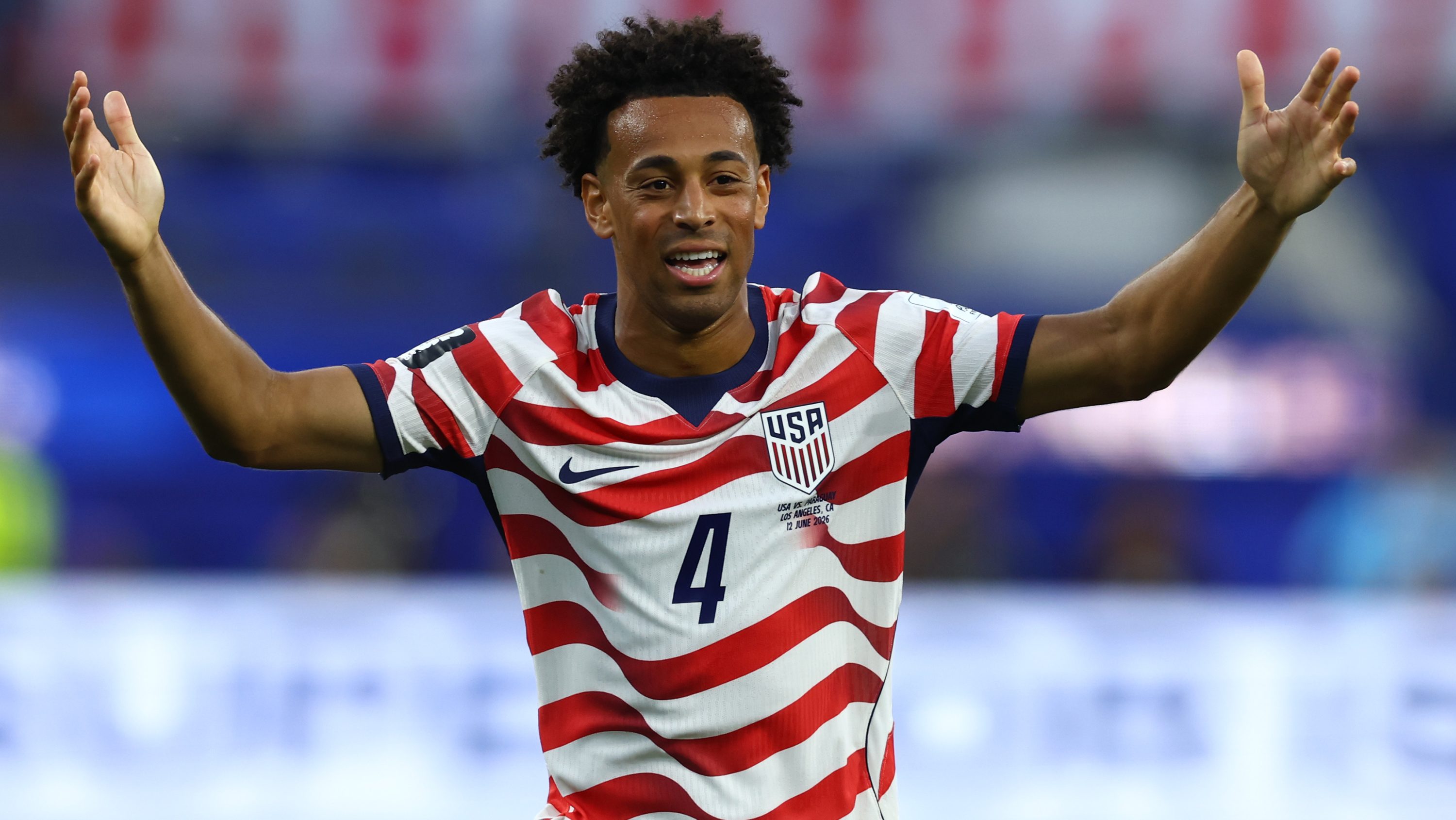
Pedigree Was Always a Distraction
The 2026 World Cup didn't just outperform expectations — it exposed how wrong the expectations were in the first place.
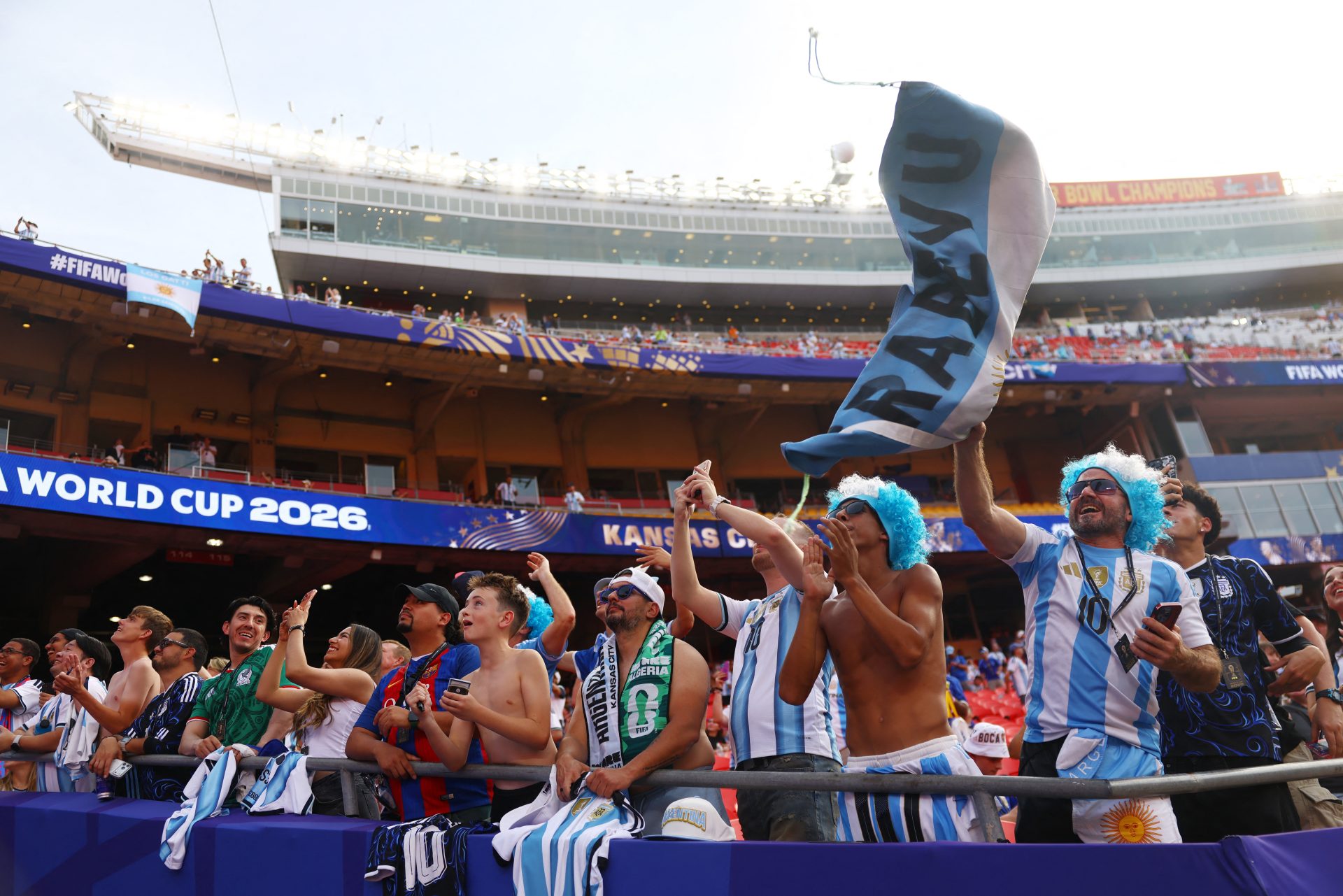
Kansas City Didn't Ask Soccer's Permission
Four World Cup teams chose a Midwest city as their base. That choice says something the sport's gatekeepers aren't ready to admit.
From the other desks.

Sold 99% and Still Got Cut Off
A GMC dealer moved nearly every car it was given. GM's response was to send fewer cars.

Simone Rocha Gave Men Permission to Be Dressed With Feeling
Her first menswear runway didn't argue for anything. It just showed you what was possible.

Rivian Sold the Future. The Future Has a Court Date.
A class action lawsuit against Rivian isn't really about self-driving — it's about an industry that learned to monetize the promise before it could deliver the product.