Infantino Named the Game, and Then Kept Playing It
FIFA's World Cup pricing isn't a market failure — it's a confession.
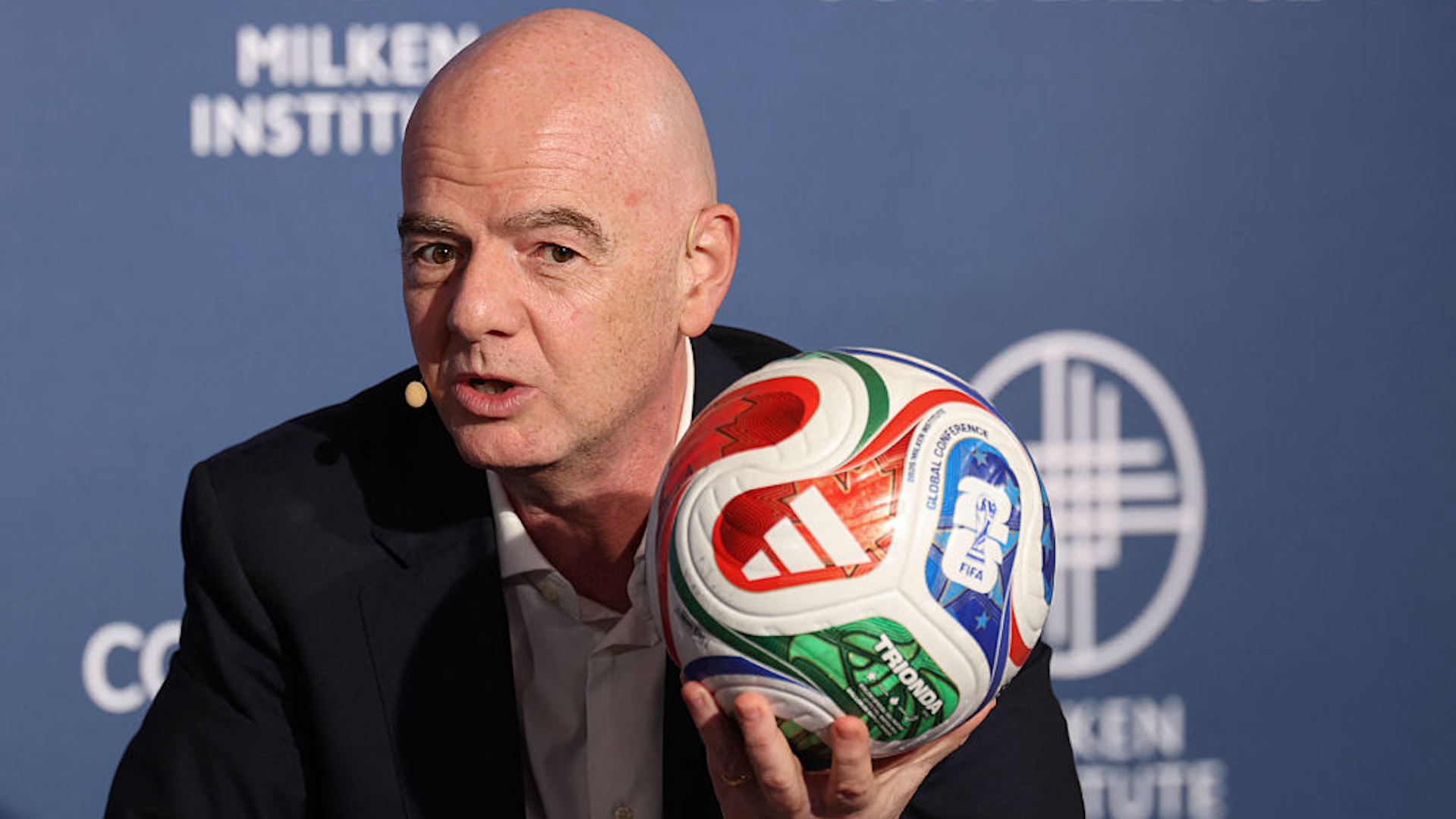
Photo · Defector
A writer at Defector didn't bury the lede. The headline said it plainly: FIFA is here to extract wealth from American hogs. The piece didn't need to be subtle. The numbers weren't subtle.
Tickets to the USMNT's opening game are selling for upwards of $1,000. The top-tier ticket for this year's final crosses $10,000. For context the source provides: a comparable ticket to the 2022 World Cup final in Qatar cost $1,600. That's not inflation. That's not supply and demand. That's a number someone typed in and decided to live with.
What makes the Defector piece worth pausing on isn't the outrage — outrage at FIFA is an old sport, one with more participants than most actual sports. What's interesting is who else showed up to the complaint window. Donald Trump, the FIFA Peace Prize recipient according to the piece, told the New York Post he wouldn't pay it either. That sentence should be read slowly. When the rhetorical ally of the tournament is distancing himself from the price tag, the price tag has done something remarkable.
Scarcity Was Always a Story
Sports pricing has long hidden behind the logic of demand. Tickets cost what they cost because people want to be there. That's the clean version. The version where the market is just doing market things and nobody has to feel bad about it.
What FIFA has done — and what the Defector piece captures by simply reporting the numbers — is blow that cover completely. This isn't a sold-out stadium driving secondary market prices into absurdity. This is face value. FIFA sets these prices because FIFA can. Gianni Infantino, according to the piece, has offered some version of a defense, but the defense doesn't matter much when the delta between Qatar 2022 and this tournament is that dramatic at face value.
The extraction isn't a bug someone found. It's the architecture.
And the tell — the real tell — is what's happening in the host cities. Non-American fans appear to have been priced out, based on the lack of hotel reservations being made, according to the piece. The World Cup, the tournament that belongs to the world in its own promotional language, has apparently made attendance a geography-and-net-worth problem. The hotels aren't filling because the people who travel for football, who have always traveled for football, did the math and stopped.
What Gets Said Out Loud
There's a specific kind of cultural moment when something that was always true gets stated plainly by someone who benefits from it staying unsaid. That's where we are. A Defector writer put Infantino's logic in a headline and didn't have to exaggerate it to make it land.
Sports have always been businesses. Leagues have always optimized for revenue. None of this is new. What's new is the absence of pretense — the shrug that says yes, this is expensive, yes, that is intentional, and yes, we are aware you are still going to watch.
They're not wrong about that last part. The broadcast deal exists. The eyeballs will show up. The tournament will happen and it will be covered and some version of spectacle will be delivered.
But something shifts when even the beneficiaries of the moment — the host nation's fans, the geopolitical allies of the organizers — look at the number and say, publicly, that they wouldn't pay it.
FIFA didn't accidentally price people out. FIFA priced people out and called it a World Cup anyway. The writer at Defector just said so without flinching, and the fact that the argument fits in a headline is the most damning thing about it.
Keep reading sports.

ESPN Named Him. Then Unnamed Him. Nobody's Explaining the Gap.
A retraction without a reckoning is just a deleted link.

Three People Died Celebrating. FIFA Hasn't Said Their Names.
Mexico City buried three people after the World Cup crowds came through. At some point, the sport has to sit with that.

Sell the Stadium, Lose the Room
NFL franchises are rolling out the welcome mat for World Cup tourists — and the desperation is showing.
From the other desks.

800 Horsepower, One Ton of Doubt
Lamborghini built the most powerful SUV it's ever made. It's also slower than what it replaced.

Gold Leaf on a Lacquer Dial, and the Weight of What That Costs
Awake's Frosted Leaf Royal Blue asks a question Vietnamese craft has never quite had to answer at this price.

Hide My Email Has Been Showing Your Email
Apple's privacy flagship has a hole in it. They've known for over a year.