The $3.9 Billion Question Nobody's Asking
The Padres just sold for a record-shattering sum, and the sport of baseball had almost nothing to do with it.
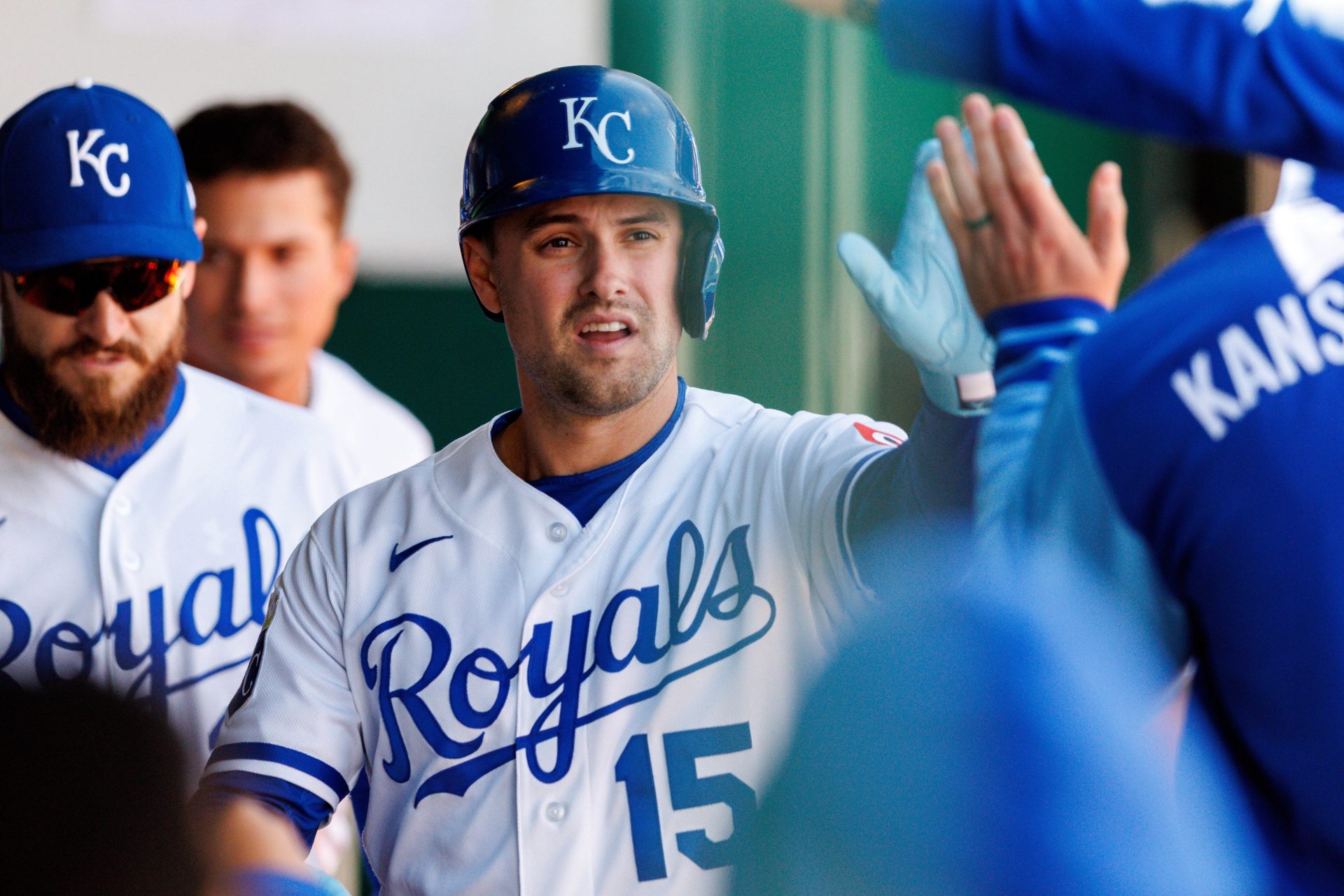
Photo · Front Office Sports
There's a number sitting at the center of this story that deserves a moment of silence before anyone starts celebrating or complaining. $3.9 billion. For a baseball team. One that plays in a city that has never won a World Series.
José E. Feliciano — co-founder of investment giant Clearlake — and his wife Kwanza Jones have agreed to buy the San Diego Padres at that figure, a price that, according to Sportico, shatters the previous MLB franchise record set when Steve Cohen purchased the New York Mets for $2.42 billion. That's not a new record. That's a different conversation entirely.
The gap between those two numbers — $1.48 billion in appreciation, accrued in just a few years — is the actual story here. And almost nobody covering it wants to say it plainly.
This Isn't About Baseball
Feliciano built his name in private equity. That is not incidental context. That is the entire frame. When someone whose career is built on identifying undervalued assets and extracting returns looks at a Major League Baseball franchise and writes a $3.9 billion check, they are not doing it because they love the seventh-inning stretch. They are doing it because the asset class has proven, repeatedly and dramatically, that it appreciates faster than almost anything else you can legally own.
Sports franchises have become a specific kind of trophy — not the kind you put on a shelf, but the kind that compounds. The kind that comes with a captive market, a regional media footprint, a lease on public affection, and, increasingly, a case for public infrastructure dollars. Consider that elsewhere in MLB news, the Kansas City Royals are pushing through a $600 million stadium financing plan — a reminder that the moment you own the team, you are also, in some sense, in conversation with the city about who pays for what. That is not a sports story. That is a real estate and political economy story wearing a jersey.
None of this makes Feliciano and Jones villains. Ownership has always attracted money. What's changed is the profile of that money — and the speed at which the numbers have moved.
What $3.9 Billion Signals
The Mets sale felt like an outlier when it happened. A hedge fund billionaire overpaying for a beloved, tortured franchise in the largest media market in the country — you could explain that away as sentiment, or New York exceptionalism, or both. San Diego does not carry that same mythological weight. And yet here we are, a record shattered not in New York or Los Angeles but in a mid-market city on the Pacific coast.
What that tells you is that the valuation logic has decoupled from market size, from winning percentage, from fan attendance. It has become self-referential. Franchises are worth more because the last franchise sold for more, and the one before that, and the one before that. The asset inflates because the category inflates. Private equity understands this loop better than anyone.
The fans in San Diego will want to know what this means for the roster, for the front office, for the direction of the club. Those are fair questions and they deserve answers. But they are secondary questions now, whether anyone admits it or not.
The primary question — the one this sale forces into the open — is simpler and more uncomfortable: at what point does the financial logic of owning a sports franchise become so dominant that winning becomes optional?
At $3.9 billion, we might already be there.
Keep reading sports.

ESPN Named Him. Then Unnamed Him. Nobody's Explaining the Gap.
A retraction without a reckoning is just a deleted link.

Three People Died Celebrating. FIFA Hasn't Said Their Names.
Mexico City buried three people after the World Cup crowds came through. At some point, the sport has to sit with that.

Sell the Stadium, Lose the Room
NFL franchises are rolling out the welcome mat for World Cup tourists — and the desperation is showing.
From the other desks.

800 Horsepower, One Ton of Doubt
Lamborghini built the most powerful SUV it's ever made. It's also slower than what it replaced.

Gold Leaf on a Lacquer Dial, and the Weight of What That Costs
Awake's Frosted Leaf Royal Blue asks a question Vietnamese craft has never quite had to answer at this price.

Hide My Email Has Been Showing Your Email
Apple's privacy flagship has a hole in it. They've known for over a year.