Prince Isn't Back. It Was Never Gone — You Just Stopped Paying Attention.
Boardroom's excerpt from David Grutman's book makes the case that saving a legacy sports brand has nothing to do with the sport.
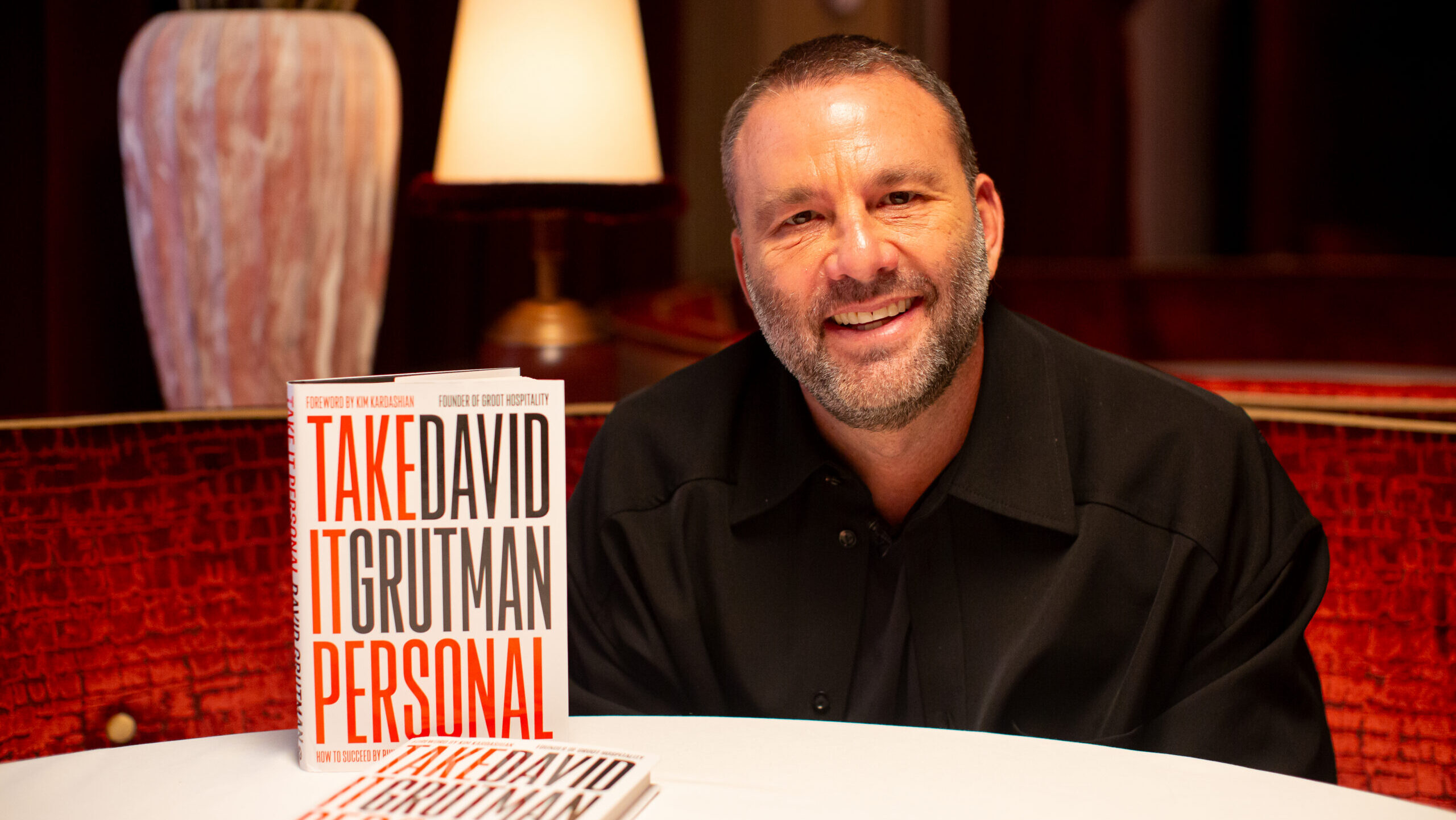
Photo · Boardroom
There's a version of this story where Prince is just a racket company that fell behind and got bought by someone with good taste. Boardroom isn't telling that version. They're publishing an excerpt from David Grutman's own book — and the argument Grutman stakes out is more interesting and more honest than a simple turnaround narrative.
The claim, as Boardroom frames it: his play with Prince is bigger than tennis. That's the headline. That's also the entire thesis.
Pay attention to what it means that this is being said out loud, in a book, right now.
The Sport Is the Wrapper
Grutman's approach, according to the excerpt, is hands-on investment built around cultural influence and strategic collaborations. Not product innovation. Not technology. Not performance data. Cultural influence. That's a hospitality and nightlife operator's vocabulary applied to a sports equipment brand, and the fact that it apparently works tells you something about where legacy brands actually live or die.
The racket is real. The game is real. But the permission to care — that's manufactured. And Grutman, who has built a career on understanding what makes people want to be somewhere, seems to understand that a brand revival is fundamentally about making people feel something before they buy anything.
This is not a new idea. What's notable is that it's being applied to tennis, a sport that has spent decades being simultaneously elite and invisible — culturally present without being culturally urgent. Prince existed at a specific moment in that sport's history when rackets had personalities. The brand carried weight. Then it didn't. Now Grutman is arguing that the weight was never gone, just unattended.
Why Boardroom Is the Right Place for This
Boardroom publishes at the intersection of sports, business, and influence — and this excerpt lands exactly there. The publication isn't running this because tennis is having a moment, though it is. They're running it because Grutman's framework is a template. The argument generalizes. Every sport has a Prince — some brand that used to mean something and now mostly means used to mean something.
The writer at Boardroom isn't editorializing much. They're letting the excerpt make the case. Smart. Because Grutman making the argument in his own words, in his own book, is a different kind of credibility than a profile would offer. This is the man saying: here is what I believe, here is what I did, here is why it worked. That's a riskier document than a magazine feature. You can argue with a journalist's framing. You can't argue with a man's stated strategy.
What I keep coming back to is the lifestyle framing specifically. Not sports brand. Lifestyle platform. The distinction matters because a sports brand competes on performance. A lifestyle platform competes on identity. And identity is a much stickier market.
Prince, in Grutman's hands, isn't asking you to believe it makes the best racket. It's asking you to believe that caring about Prince says something about you. That's a fashion move dressed in athletic clothing. It's also, historically, how the brands that survive actually survive.
The ones that don't make this shift keep optimizing the product until there's no one left who cares about the product.
Keep reading sports.

ESPN Named Him. Then Unnamed Him. Nobody's Explaining the Gap.
A retraction without a reckoning is just a deleted link.

Three People Died Celebrating. FIFA Hasn't Said Their Names.
Mexico City buried three people after the World Cup crowds came through. At some point, the sport has to sit with that.

Sell the Stadium, Lose the Room
NFL franchises are rolling out the welcome mat for World Cup tourists — and the desperation is showing.
From the other desks.

800 Horsepower, One Ton of Doubt
Lamborghini built the most powerful SUV it's ever made. It's also slower than what it replaced.

Gold Leaf on a Lacquer Dial, and the Weight of What That Costs
Awake's Frosted Leaf Royal Blue asks a question Vietnamese craft has never quite had to answer at this price.

Hide My Email Has Been Showing Your Email
Apple's privacy flagship has a hole in it. They've known for over a year.