Shinnecock Hills Is Ready. Golf Still Has to Decide What It's For.
A course that punishes pretense is hosting a sport that increasingly loves it.
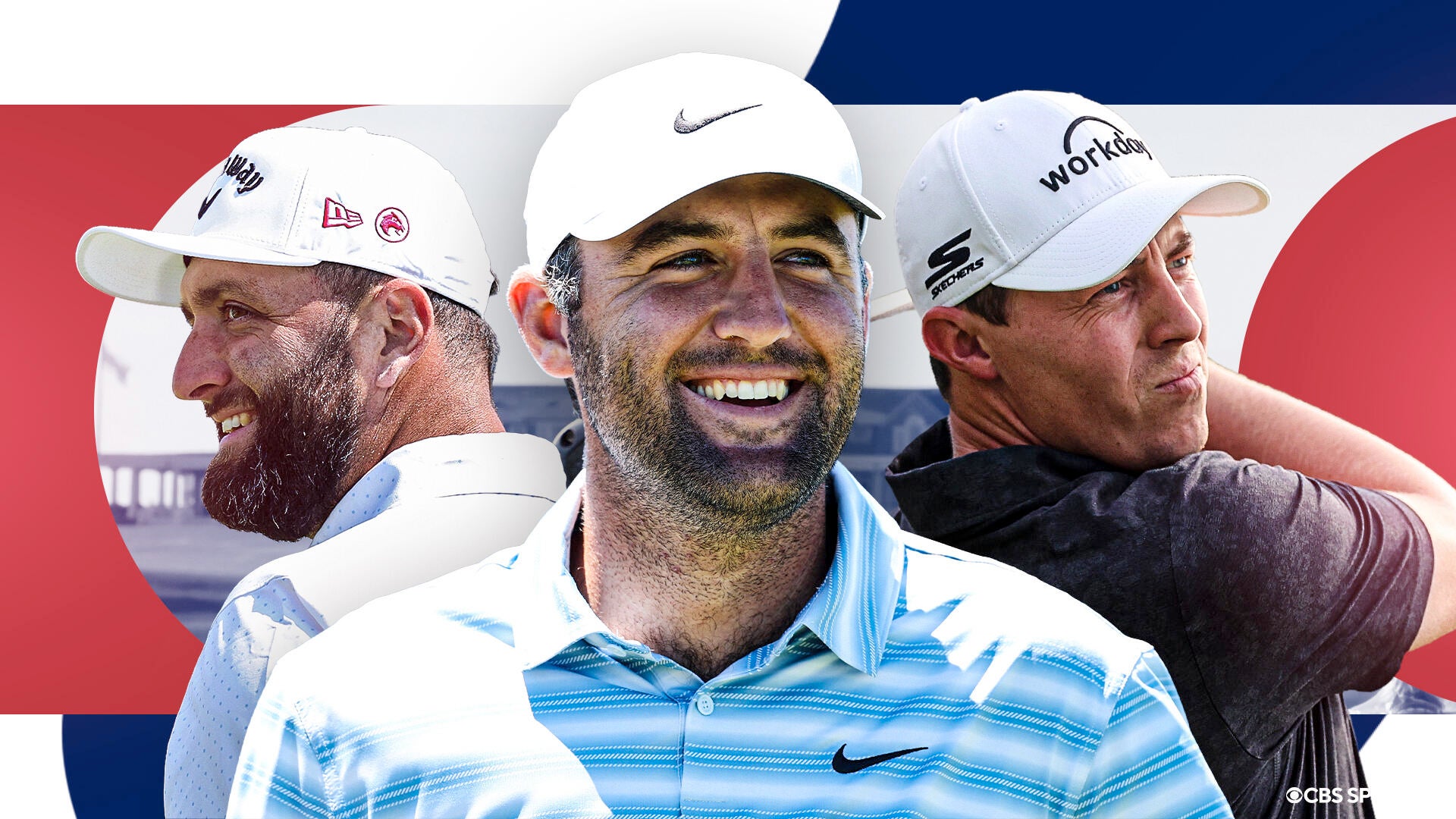
Photo · CBS Sports Headlines
There's a version of this week that writes itself: elite field, historic ground, brutal rough, one champion standing. The U.S. Open at Shinnecock Hills. The story practically narrates itself before a single tee shot lands.
Except nothing about what's surrounding this tournament quite fits that clean script.
The Course Doesn't Need the Theater
Golf.com spent time with the Shinnecock maintenance crew — the people who have been shaping this course long before any broadcast truck rolled in — and what emerges from that coverage is a portrait of genuine, unglamorous labor. These are not content creators. They are not brand ambassadors. They show up before dawn and they care about grass. The work is real, and so is the course.
Which makes it stranger that the week's early chatter has been less about the land itself and more about the machinery around it. Golf.com flagged Alex Fitzpatrick using an augmented reality device during a practice round — a tool designed to help players read and map what their eyes already should. It's not illegal. It may even be clever. But it's a telling detail. Here is one of the world's most demanding tracks, a place that has historically exposed every flaw in a player's game, and a professional is supplementing his preparation with a device that sounds like it belongs at a tech demo. That's not cynicism about Fitzpatrick. It's an observation about where the sport's attention keeps wandering.
Meanwhile, just up the road from Shinnecock — and this is the detail that quietly swallows everything else — Golf.com profiled what it describes as Long Island's most elusive golf course, a place with a membership of one, maintained by a legendary group of caretakers. One member. A full course. A small crew keeping it alive. No one talking about it on television. No odds posted. No augmented reality. Just people who love the game enough to sustain it in near-total obscurity, minutes from where the circus has pitched its tent.
What the Field Carries
The human texture of the field is complicated in ways the betting guides don't linger on.
Adam Scott is apparently on the verge of a rare milestone — appearing in a major a remarkable number of times — and Golf.com notes that history has left him with conflicting feelings about it. That's not a feel-good story. That's a man reckoning with longevity and what it costs. The milestone means something. It also means he's been close, repeatedly, without the thing he came for.
Brooks Koepka is here with a nerve injury in his left hand, grip strength not at full capacity, telling Deadspin he's "good enough" to play. That phrase — good enough — from a man who has won this tournament before, carries a specific weight. It's either the most understated confidence in sports or a man who has learned to reframe limitation as preparation. Possibly both.
The CBS Sports and SportsLine coverage is running its predictive models, fading Bryson DeChambeau at this particular venue, stacking their sheets with favorites and dark horses. The NY Post is framing the course itself as a welcome challenge after past editions that apparently pushed players and the USGA both to their limits. The institutional memory of Shinnecock is already doing work — every piece references what this place has done before, the reputation that precedes it, the way it tends to sort the field without mercy.
All of which is true. And none of which addresses the thing that keeps surfacing underneath the coverage: that the spectacle surrounding a major has become so layered — the devices, the betting markets, the maintenance theater, the content — that the course is sometimes the quietest voice in the room.
The most honest thing at Shinnecock this week might be that single-member club up the road, where someone decided that caring about golf was enough justification to keep a course alive with no audience at all.
The sport could learn something from that. It probably won't.
Keep reading sports.

Seven Million Watched. Netflix Still Wasn't Impressed.
UFC threw a fight at the White House and broke a streaming record. The algorithm didn't care.
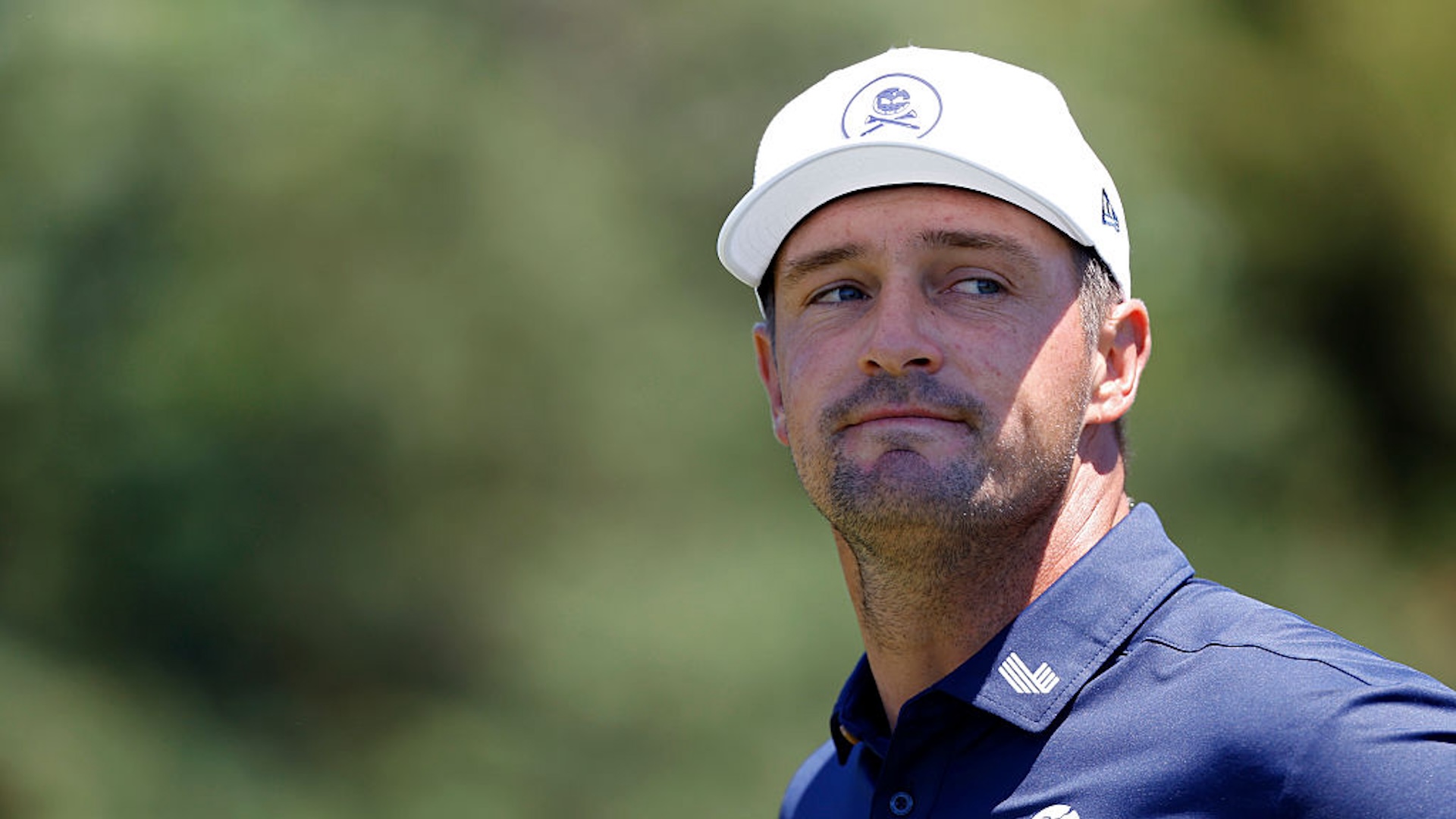
Golf Made Bryson DeChambeau Optional. He Returned the Favor.
A writer at Defector has staked out the most uncomfortable question in the sport right now — and the sport doesn't have a clean answer.
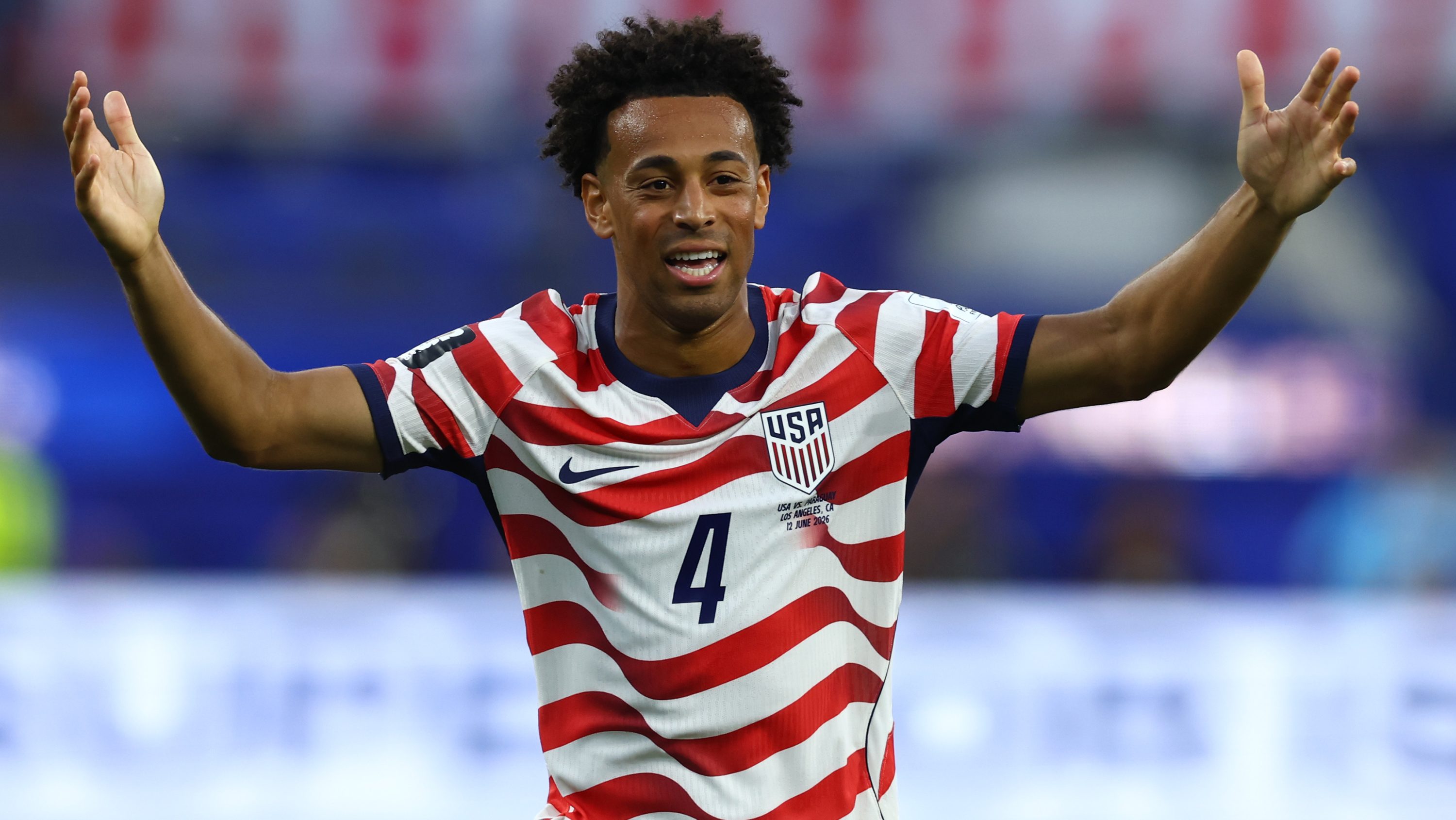
Pedigree Was Always a Distraction
The 2026 World Cup didn't just outperform expectations — it exposed how wrong the expectations were in the first place.
From the other desks.
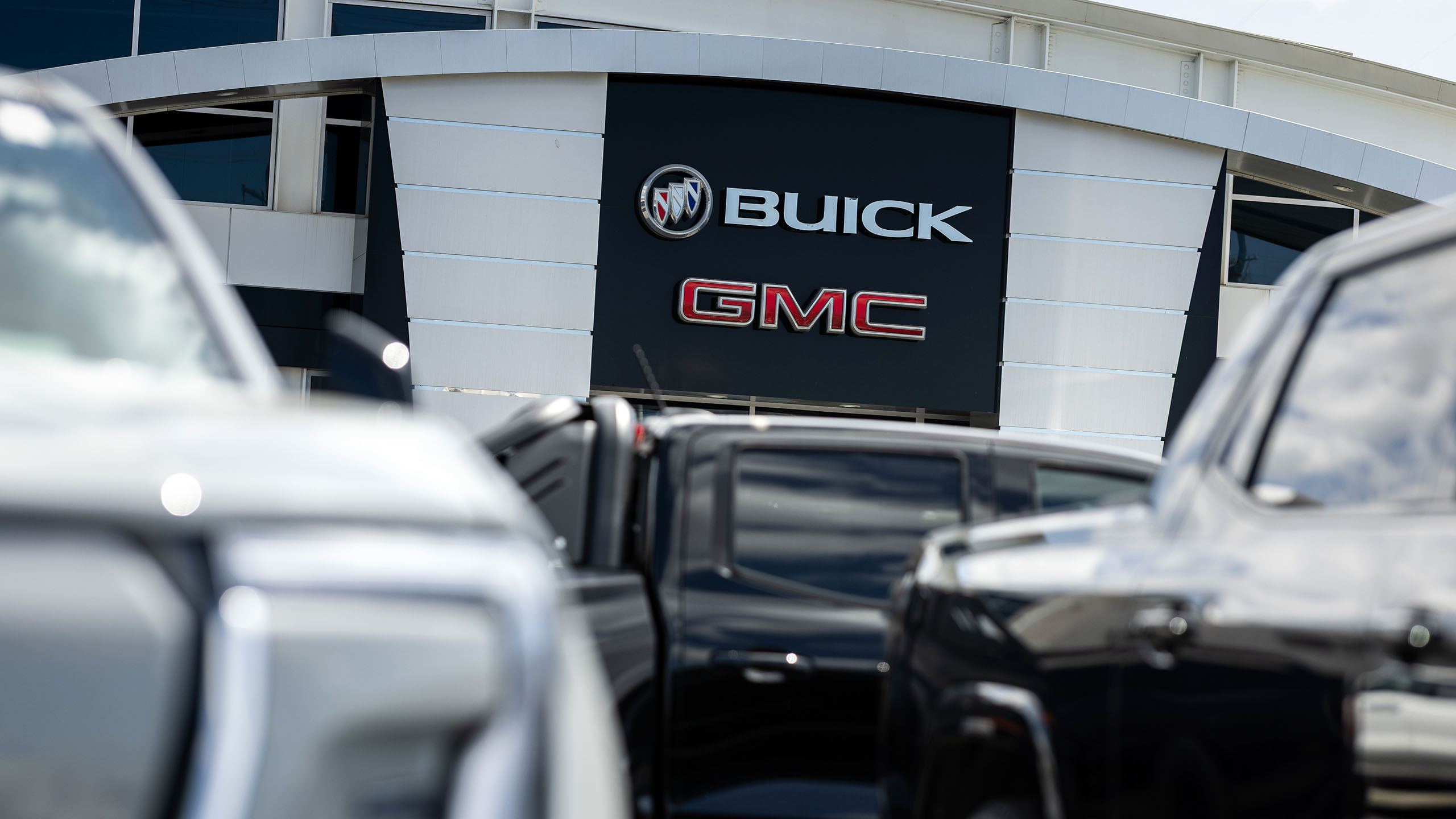
Sold 99% and Still Got Cut Off
A GMC dealer moved nearly every car it was given. GM's response was to send fewer cars.

Simone Rocha Gave Men Permission to Be Dressed With Feeling
Her first menswear runway didn't argue for anything. It just showed you what was possible.

Rivian Sold the Future. The Future Has a Court Date.
A class action lawsuit against Rivian isn't really about self-driving — it's about an industry that learned to monetize the promise before it could deliver the product.