Tunsil Didn't Build a Brand. He Built the Building.
Divine Tree isn't an athlete media play. It's a bet that the infrastructure was always worth more than the content.
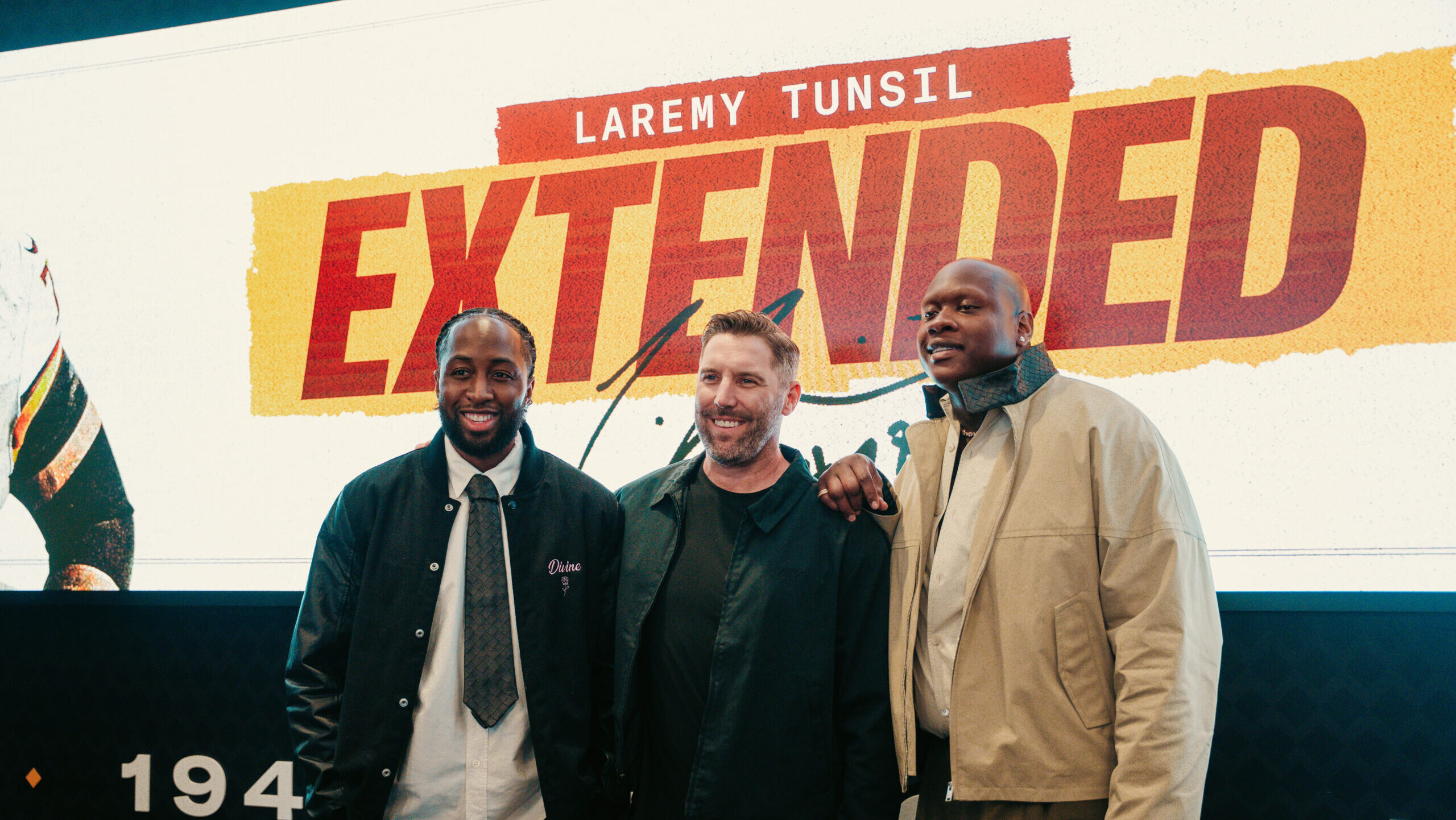
Photo · Boardroom
The Shift Everyone Saw Coming and Nobody Moved On
At some point in the last decade, athletes figured out they were the product. That realization traveled fast — endorsement deals got restructured, social followings got monetized, NIL opened a door that a generation of college players sprinted through. Everyone understood the lesson. What very few people did was act on the deeper one underneath it.
The deeper one is this: distribution is not the same thing as ownership. Having an audience and controlling the infrastructure that reaches that audience are two completely different things. You can rent an audience forever and never build anything.
Boardroom has published a piece on Divine Tree, the company built by Houston Texans offensive lineman Laremy Tunsil and his business partner Laolu Sanni, that traces the company's roots from Ole Miss forward. The framing is origin story — two people who saw something, built something, and are now running it. That framing is accurate. But what's interesting is the thing the origin story is actually about.
Divine Tree is described as focused on personalized athlete ecosystems and media. That phrase — athlete ecosystem — is doing a lot of work. It's the language of someone who looked at what athletes were doing with media deals and sponsorships and thought: what if instead of being a node in someone else's network, you became the network?
What Renting Costs You
The athlete media space is not short on participants. Platforms, channels, shows, podcasts, documentary deals — there's an entire economy that has grown up around the idea that athletes have stories worth telling and audiences willing to listen. That economy is real. It has also, historically, been structured so that most of the upside accrues somewhere other than the athlete.
You sign with the platform. The platform owns the relationship with the advertiser. The platform owns the data on who's watching. The platform decides what gets made next. The athlete delivers the audience and collects a fee. It's a familiar arrangement, and it's not without value — but it's not ownership.
What Tunsil and Sanni appear to be building is the thing that sits upstream from that arrangement. Not content to distribute through someone else's system, but a company structured to hold the ecosystem itself. The athlete, in this model, isn't the talent. The athlete is a stakeholder in the infrastructure.
That's a different bet. It's also a harder one. Building a company that can actually function as infrastructure — that can sign, develop, and serve other athletes rather than just one — requires operational capacity that most athlete ventures never develop. Most athlete ventures are essentially personal brands with a LLC attached. Divine Tree, at least by the framing Boardroom is giving it, is attempting something structurally distinct.
The fact that this piece exists at all is worth sitting with. Boardroom doesn't write deep-dive origin stories about companies that haven't earned the attention. The coverage signals that people inside the sports business world are watching Divine Tree as something more than a vanity project. That's not nothing.
And Tunsil is a specific kind of athlete to build this around — an offensive lineman, a position that wins by making everyone around it better, that accumulates no personal statistics, that gets noticed primarily when something goes wrong. There's something fitting about that. The infrastructure is never the story until it fails. That's exactly what makes owning it valuable.
Athletes used to ask for a piece of the deal. Tunsil and Sanni are asking who owns the table.
Keep reading sports.

ESPN Named Him. Then Unnamed Him. Nobody's Explaining the Gap.
A retraction without a reckoning is just a deleted link.

Three People Died Celebrating. FIFA Hasn't Said Their Names.
Mexico City buried three people after the World Cup crowds came through. At some point, the sport has to sit with that.

Sell the Stadium, Lose the Room
NFL franchises are rolling out the welcome mat for World Cup tourists — and the desperation is showing.
From the other desks.

800 Horsepower, One Ton of Doubt
Lamborghini built the most powerful SUV it's ever made. It's also slower than what it replaced.

Gold Leaf on a Lacquer Dial, and the Weight of What That Costs
Awake's Frosted Leaf Royal Blue asks a question Vietnamese craft has never quite had to answer at this price.

Hide My Email Has Been Showing Your Email
Apple's privacy flagship has a hole in it. They've known for over a year.