The WNBA Knows How to Sell the Game. It's Still Learning to Sell Itself.
A writer at The Athletic called the league's 2026 TV plan almost perfect. That 'almost' is doing a lot of work.

Photo · Latest Headlines - The Athletic
The Qualifier Does the Talking
Almost perfect is a strange thing to publish. It's not a hedge — it's an invitation. A writer at The Athletic looked at the WNBA's 2026 television distribution plan and came that close to calling it right, then stopped. Staked out the position, named the gap, and left the door open. That's the piece. That's also the story.
Because "almost" from a sports business writer isn't faint praise or soft criticism. It's a diagnosis. It says the structure is there. The bones are sound. And somewhere in the execution, the league is still not quite asking for what it's worth.
That's the tension worth sitting with.
What the Moment Reveals
The WNBA has had a few years now of genuine, undeniable momentum. The kind that doesn't need a press release. Attendance, viewership, cultural visibility — the league has built something real and the market has started to agree. So when a sports business publication gets close to endorsing the broadcast strategy and then pumps the brakes, it's worth asking what that almost is protecting.
TV distribution is where leagues negotiate their self-image. It's not just about reach — it's about what you believe you're worth, who you trust to present you, and how much friction you're willing to accept in the name of revenue. The NBA figured this out a long time ago. The NFL has been running the playbook for decades. The WNBA is newer to the table, and the Athletic's framing suggests it's still calibrating.
The piece doesn't trash the plan. That's notable. There's no condemnation in "almost." There's something closer to encouragement from a position of genuine investment — the kind of take that only lands when the writer believes the league is capable of closing the gap.
What the coverage signals is that the people paying close attention — the sports business press, the industry observers who track rights fees and distribution windows and subscriber numbers — are watching the WNBA with the expectation of competence now. Not charity. Not novelty. Competence. That's a different kind of pressure, and it's a better problem to have.
Pricing Your Own Product
The most interesting thing about where the league "hasn't figured it out," as the Athletic frames it, is that it's almost certainly about valuation. Not talent. Not storytelling. Not the quality of the game, which has been undeniable. It's about the WNBA's willingness to hold the line on what it believes its audience is worth to a broadcast partner.
Every rights negotiation is a mirror. You learn what you think of yourself in the number you accept.
The league has had seasons that moved the needle on every metric that matters to network executives — and it's had stars who moved the needle on metrics those executives didn't even know they cared about. If the distribution plan is almost right and the almost lives in the pricing, then the next conversation isn't about reaching more fans. It's about refusing to undercharge the ones you already have.
Almost perfect is still the best the league has ever looked in this room. The gap just got smaller.
Keep reading sports.
ESPN Named Him. Then Unnamed Him. Nobody's Explaining the Gap.
A retraction without a reckoning is just a deleted link.

Three People Died Celebrating. FIFA Hasn't Said Their Names.
Mexico City buried three people after the World Cup crowds came through. At some point, the sport has to sit with that.

Sell the Stadium, Lose the Room
NFL franchises are rolling out the welcome mat for World Cup tourists — and the desperation is showing.
From the other desks.
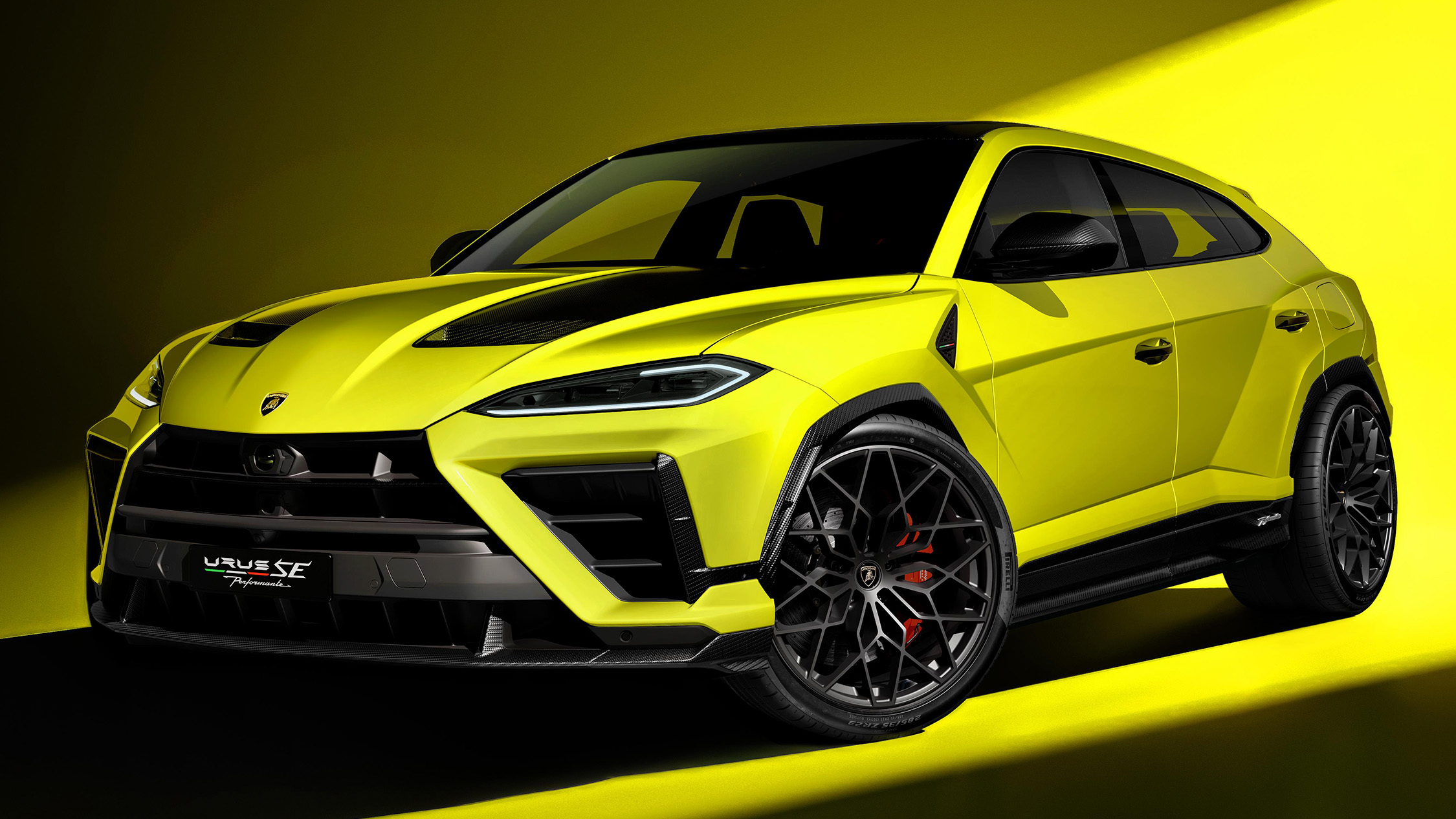
800 Horsepower, One Ton of Doubt
Lamborghini built the most powerful SUV it's ever made. It's also slower than what it replaced.
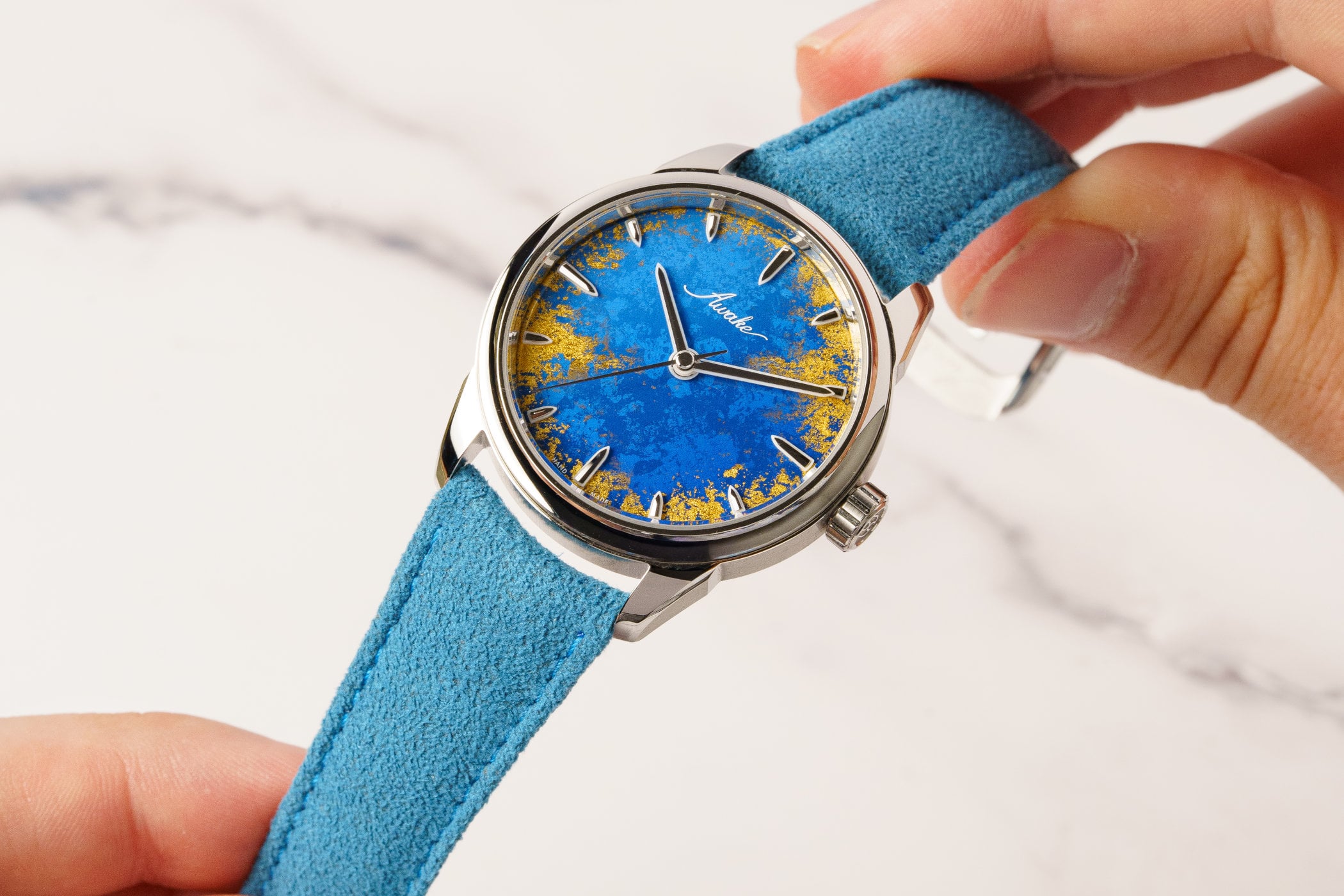
Gold Leaf on a Lacquer Dial, and the Weight of What That Costs
Awake's Frosted Leaf Royal Blue asks a question Vietnamese craft has never quite had to answer at this price.
Hide My Email Has Been Showing Your Email
Apple's privacy flagship has a hole in it. They've known for over a year.