Free Means You're the Dataset Now
Atlassian stopped hiding what the free tier actually costs.

Photo · The Register
The Pretense Is Over
Somewhere in the long history of free software, there was always a polite fiction — that the company offering the free tier was doing it out of goodwill, or growth strategy, or the belief that you'd eventually upgrade. Atlassian has apparently decided the fiction is no longer worth maintaining.
A writer at The Register recently staked out the position plainly: Atlassian's new data collection policy draws a clean line between its paying customers and everyone else. Enterprise customers can opt out of having their data used to train AI models. Free-tier users cannot. The policy, as The Register frames it, protects the rich while AI eats the rest.
What's interesting isn't the policy itself. It's that a piece like this needed to be written at all — and that the argument lands so cleanly.
The Product Has Always Been You
We've known for years that free tiers in SaaS work the same way free tiers in social media work. You are not the customer. You are the inventory. The difference is that social platforms built their entire business model on this premise from day one, while productivity software companies spent years insisting they were different — that Jira and Confluence were tools, not platforms, and that the free tier existed to serve small teams who might someday grow into paying ones.
That story was always a little convenient. But it held together as long as nobody drew a direct line between your workflows and the model being trained on them.
Atlassian has now drawn that line themselves, in their own policy language. The Register noticed. And the reason the observation stings is that it's not an accusation — it's just a description.
Paying customers get data protection as a feature. Free users get AI training as a condition. Those two things being true simultaneously is not a contradiction. It's a business model, stated plainly.
There's something almost refreshing about the lack of euphemism, if you can get past the part where your team's internal project data is presumably now part of someone's training corpus. The writer at The Register doesn't seem particularly refreshed by it. That's fair.
What strikes me is how this moment fits into a broader pattern. Every major platform that accumulated free users over the last decade is now figuring out how to monetize the accumulated behavior of those users — and AI training is the current answer. It's not a scandal. It's a maturation. The free tier was always going to become something other than generosity, and the only question was when the company would stop pretending otherwise.
Atlassian's policy just makes the exchange explicit in a way most companies still avoid. You get the tools. They get the data. Enterprise clients get to opt out because they're paying enough to buy back their own privacy. Everyone else is part of the deal whether they know it or not.
The Register is right to name it. The more interesting question — the one that doesn't get asked enough — is whether any of the free-tier users will actually care. History suggests most won't, until they do, and by then the model is already trained.
Free has never been free. We just keep acting surprised when someone finally shows us the invoice.
Keep reading tech.

Hide My Email Has Been Showing Your Email
Apple's privacy flagship has a hole in it. They've known for over a year.

Sony Killed the Disc. Sony Is Also Killing the Store.
Two announcements, one company, and a quiet admission that "ownership" was always their word to define.
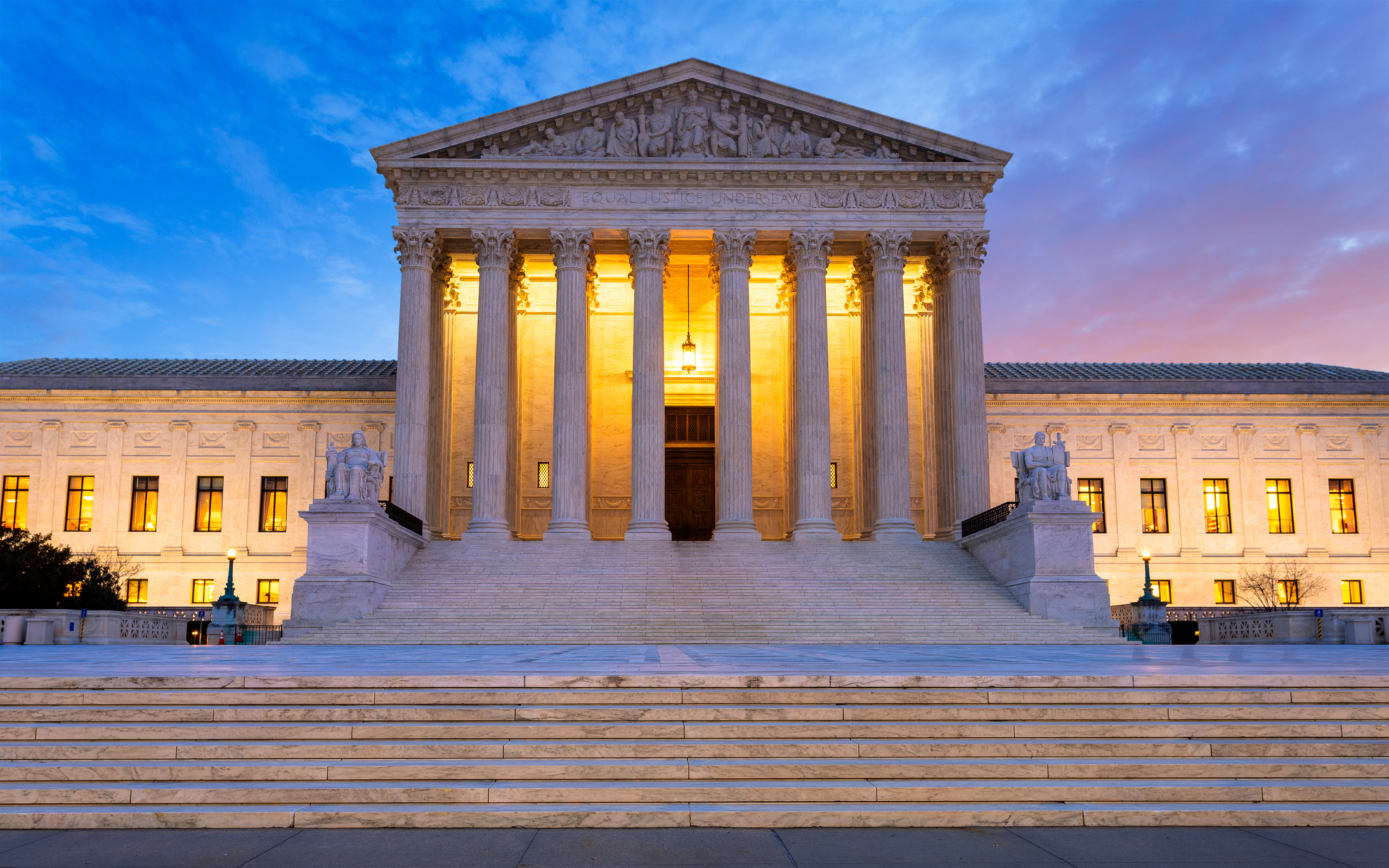
Apple Went to the Highest Court It Could Find. That Tells You Everything.
When a contempt ruling sends you to the Supreme Court, you're not defending a policy anymore — you're defending a worldview.
From the other desks.

800 Horsepower, One Ton of Doubt
Lamborghini built the most powerful SUV it's ever made. It's also slower than what it replaced.

Gold Leaf on a Lacquer Dial, and the Weight of What That Costs
Awake's Frosted Leaf Royal Blue asks a question Vietnamese craft has never quite had to answer at this price.

ESPN Named Him. Then Unnamed Him. Nobody's Explaining the Gap.
A retraction without a reckoning is just a deleted link.